
Home · Faith · Sep 29 archive
Was America founded as a Christian nation—or is the truth far more complex?
Confirmed
In Short: Fea challenges popular myths on both sides, debunking claims that the founders were devout evangelicals and that the nation was explicitly founded as a Christian nation.
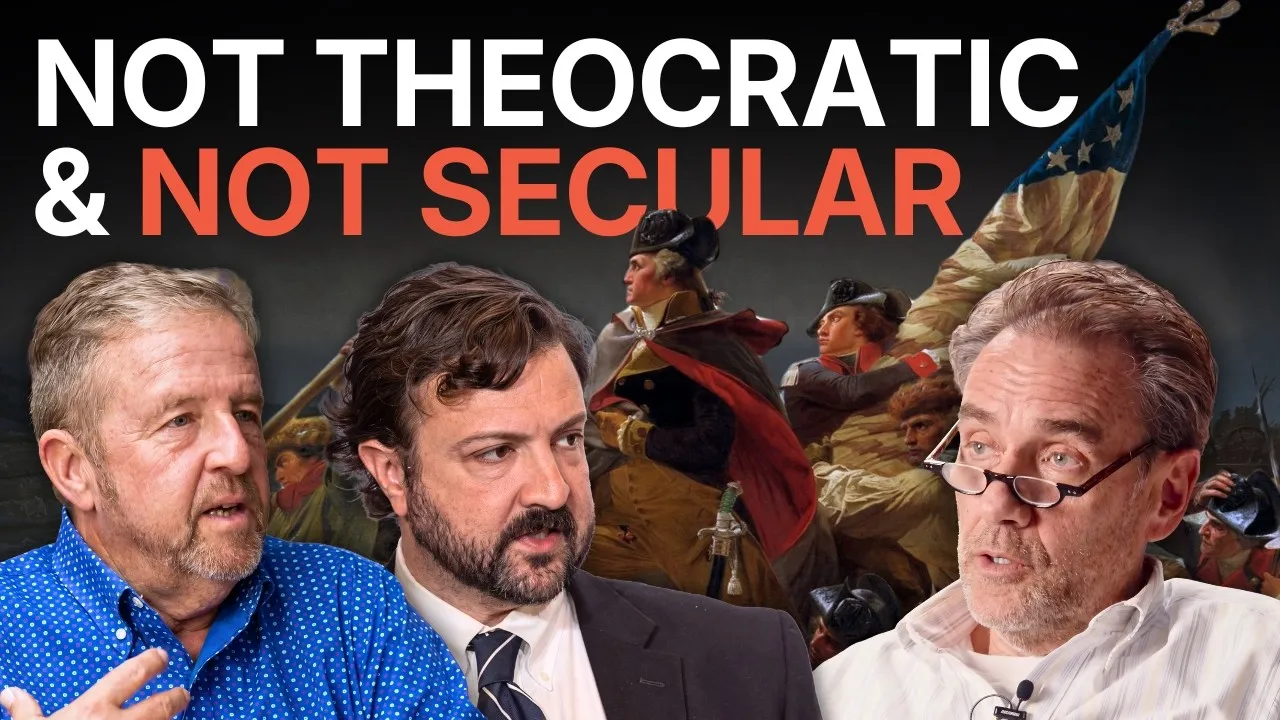
In God We Trust, a new book by history professor John Fea, invites readers to critically examine the role of religion in the founding of America.
He also counters the notion that religion played no role in the Republic's success, presenting a nuanced account that honors the complexity of the founding era.
Fea's book addresses ten of the most contested questions about Christianity and America’s founding, providing an approachable and well-researched analysis.
The book aims to help readers navigate the actual historical record and respond to questions about religion and the American founding with clarity and historical understanding.
Meanwhile, Kristin Kobes DuMez’s upcoming book, Live Laugh Love: The Secret History of White Christian Women and the World They Have Made, offers a comprehensive look at the lives and faith of Christian women throughout history.
DuMez’s book, set to release on September 15, explores how the lives and faith of Christian women have developed and evolved, introducing readers to influential figures like Hannah Whitall Smith.
Smith’s book, The Christian’s Secret of a Happy Life, is credited with laying the groundwork for the contemporary culture of White Christian women, emphasizing 'sweetness and subordination.
Fea’s and DuMez’s works provide valuable insights into the complex interplay of religion and American history, offering readers a deeper understanding of the nation’s origins and evolution.
What's confirmed
- In God We Trust invites readers to think and reflect critically about the truths and complexities of the role of religion and the founding of America in order to separate history from political ideology and to understand why this distinction matters for the future of our nation and democracy.
- Both supporters of Christian nationalism and those who oppose it often pick and choose pieces of American history to support their own political and cultural views.
- Some supporters of Christian nationalism promote the idea that God and country are inseparable by claiming that the founders were devout evangelical Christians, that the nation’s founding documents were explicitly Christian, or that the separation of church and state is a modern invention.
- Meanwhile, critics of Christian nationalism sometimes come to the opposite conclusion, assuming that because the Constitution does not mention God and because the First Amendment separates church and state, the founders believed religion had little or no role in the success of the new Republic.
- With clarity and balance, history professor John Fea challenges popular myths on all sides—showing why claims that the founders were devout evangelicals, that America was explicitly founded as a uniquely Christian nation, or that religion played no role in the original vision of the Republic all miss the mark.
- Instead, he presents a richer, more nuanced account of religion and American history that honors the complexity of the founding era and explains why historical literacy matters for the health of our democracy today.
- For those searching for unbiased historical answers about the founding of the United States, this approachable and well-researched book addresses ten of the most contested questions about Christianity and America’s founding that now dominate public debate.
- This book will help readers more easily navigate and understand the actual historical record, discern how the facts become twisted when taken out of their contexts, and be able to respond to the question of religion and the American founding with clarity and historically grounded understanding.
- In reclaiming the full story of America’s origins, Fea reminds us that misusing the past to serve present-day goals risks undermining the very Republic the founders sought to build—and challenges us to protect it by seeking the truth with the intent of maintaining a robust and free Republic.
What's still developing
- It all began with a prophecy, a story foretold by an 11-year-old illiterate boy in Armenia sometime in the mid-19th century, predicting that Christians in the region were doomed if they did not make the voyage to the West Coast of America—California, more specifically.
- Smith’s own life was challenging due to the loss of several of her children at young ages and because of the difficulties of a challenging marriage yet, heavily influenced by Methodist perfectionism, Quaker inner light, and holiness theology, Smith wrote in her book about how no matter the challenging circumstances that may come in life, the Christian life is one of happiness and success when–specifically for women–it is achieved through “sweetness and subordination” (p. 33).
- Where Jesus and John Wayne focused on Christian evangelical masculinity and the rise of Christian Nationalism in America, her newest book, releasing on September 15, turns readers’ attention toward the feminine with a historic look at White Christian evangelical women and the world they have curated.
- Still, because of the way the book expanded my understanding of how I have been shaped, formed, and even manipulated at times as a White Christian woman in America, I’m giving this book a “must-read, 5-star rating” in this summer’s book list journal I’ve been keeping.
- The book introduces the reader to many people, both female and male, who have influenced the culture of White Christian women through their writing, preaching, and discipleship tactics.
- Additionally, people whose names and stories were new to me, such as Hannah Whitall Smith, Henrietta Mears, Helen Andelin, Mary Crowley, Lonnie Frisbee, Paula White, David Green, and Allie Beth Stuckey, were also included because each had a critical place in the story of the Christian culture of White, evangelical women.
- These beginnings of “sweetness and subordination” from Smith’s book are the precursors to the White Christian woman’s world today of Hallmark movies, Hobby Lobby, and HGTV home aspirations.
- ICE agent Christian Castro arrested after Minneapolis shooting Find us on Google 📌 America's birthday 🎂 Start the day smarter ☀️ Get the USA TODAY app U.S.
- Christian Castro, 52, was taken into custody by the Minnesota Bureau of Criminal Apprehension in downtown Minneapolis in connection with the Jan.
- Rumors are swirling that digital labels could unleash personalized surge pricing based on your income or browsing history, but America’s retail giant is officially stepping forward to clear the air.
- Facing mounting anxiety, America’s largest discounter is taking a firm stand to reassure the public.
- In a declaration led by Sen. Josh Hawley, R-Missouri, Christian leaders are calling on lawmakers to ban the abortion drug mifepristone.