
Home · World · Sep 29 archive
UNHCR Warns 8.3 Million Refugees at Risk Due to Funding Cuts
Confirmed
In Short: The UNHCR warned Tuesday that nearly 8.3 million refugees and other forcibly displaced people face losing vital assistance due to 'severe' funding cuts, according to a report by AFP.
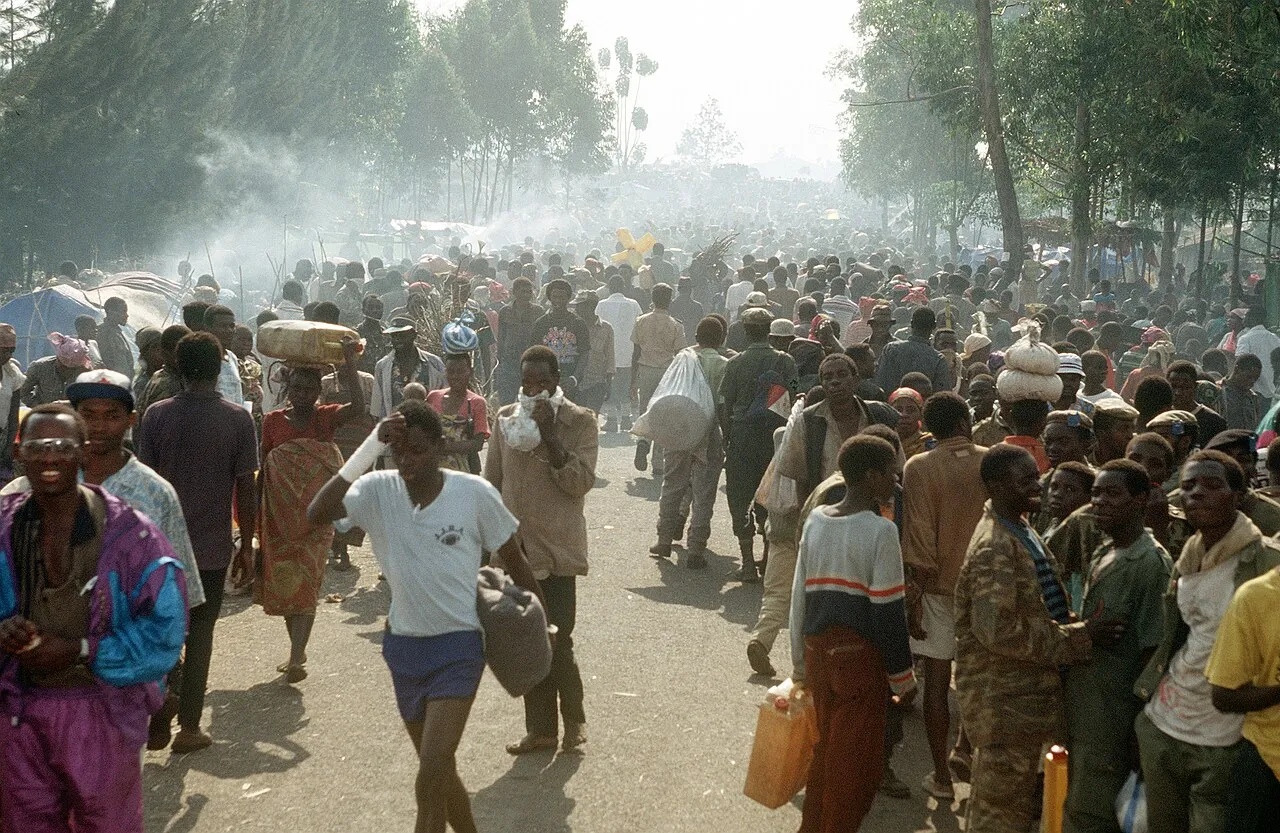
In Chad, 319,000 refugees are experiencing registration delays, leaving them without documentation to access services, while around 233,000 children could lose child protection services. In Ethiopia, child protection coverage has diminished by up to 85 percent in some areas.
UNHCR's available funding has dropped from $5.2 billion in 2024 to $3.9 billion in 2025, while the number of people it is mandated to protect remains at historically high levels.
By the end of July, the agency had received only $2.7 billion, or 32 percent, of the $8.5 billion it needed this year to protect refugees.
In Iraq, up to 350,000 refugees and asylum seekers risk losing access to economic inclusion opportunities, while in Syria, 162,500 vulnerable IDPs and returned refugees will not receive initial financial assistance unless funding is received quickly.
More than 160 civil society organizations urged Malaysian Prime Minister Anwar Ibrahim to halt plans to deport Rohingya refugees to Myanmar, citing severe risks including ongoing violence and forced conscription into the military.
Anwar said Malaysia was not ready to recognize the Myanmar government but needed an authority to negotiate with on returning refugees. He invited Myanmar to say they can be friends, trade, and accept refugees back.
What this adds
The report highlights the critical need for sustained funding to prevent the collapse of protection services for refugees and displaced persons.
What's confirmed
- In Chad, 319,000 refugees are experiencing registration delays, leaving them without documentation to access services, while around 233,000 children could lose child protection services. In Ethiopia, child protection coverage has diminished by up to 85 percent in some areas.
- UNHCR's available funding has dropped from $5.2 billion in 2024 to $3.9 billion in 2025, while the number of people it is mandated to protect remains at historically high levels.
- By the end of July, the agency had received only $2.7 billion, or 32 percent, of the $8.5 billion it needed this year to protect refugees.
- In Iraq, up to 350,000 refugees and asylum seekers risk losing access to economic inclusion opportunities, while in Syria, 162,500 vulnerable IDPs and returned refugees will not receive initial financial assistance unless funding is received quickly.
- More than 160 civil society organizations urged Malaysian Prime Minister Anwar Ibrahim to halt plans to deport Rohingya refugees to Myanmar, citing severe risks including ongoing violence and forced conscription into the military.
- Anwar said Malaysia was not ready to recognize the Myanmar government but needed an authority to negotiate with on returning refugees. He invited Myanmar to say they can be friends, trade, and accept refugees back.
What's still developing
- The Geneva-based agency said funding cuts were undermining its efforts to help people move away from reliance on aid.
- Nearly 8.3 million refugees and other forcibly displaced people face losing vital assistance from UNHCR, the UN's refugee agency warned Tuesday, as protection services crumble due to "severe" funding cuts.
- "UNHCR's ability to protect and assist refugees, internally displaced people (IDPs) and stateless people is being eroded by a sustained and worsening funding shortfall," the agency said in a report detailing the human cost of budget cuts.
- "Continued severe funding cuts are pushing refugee support and protection structures towards breaking point in the world’s main displacement situations," it added.
- Two elderly Rohingya refugees at their home in Kuala Lumpur, Malaysia.
- Anwar’s government has already reached a deal with Naypyidaw for the “voluntary” repatriation of some 5,000 refugees, which make up around half of the 10,388 Myanmar nationals currently being held at the country’s immigration detention depots.
- “Refoulement of the Rohingya by Malaysia or any ASEAN member state will make them complicit in the ongoing genocide of the Rohingya.” In their statement, the civil society groups pointed to the continuing conflict in Rakhine State, the home of most Rohingya refugees.