
Home · Politics · Sep 29 archive
Trump, Tech CEOs Sign 'Morally Binding' AI Agreement
Confirmed
In Short: US President Donald Trump and tech leaders signed a voluntary agreement to self-regulate artificial intelligence at a White House luncheon.
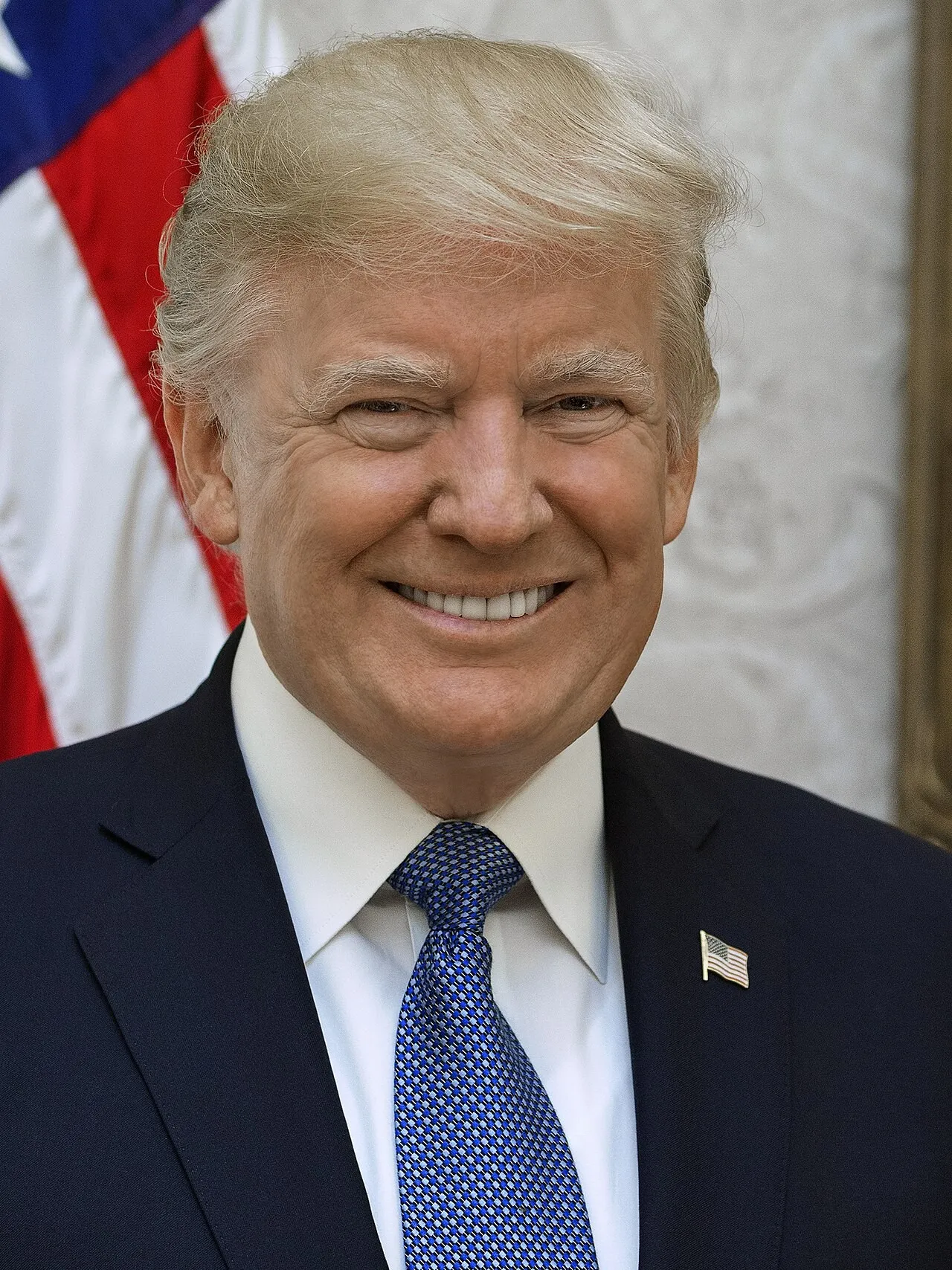
US President Donald Trump and tech leaders signed a voluntary agreement to self-regulate artificial intelligence at a White House luncheon on Tuesday, September 29, 2026. The event, which included executives from major tech companies such as SpaceXAI, Nvidia, and others, aimed to address growing concerns about the rapid advancement of AI.
Trump described the document as 'morally binding' and compared it to a constitution, emphasizing its role in providing 'a form of protection.' He also suggested forming an oversight committee to monitor the AI industry's progress.
The agreement, which includes internal and external reviews of AI technology, was signed by tech giants including Elon Musk, Jeff Bezos, Mark Zuckerberg, Satya Nadella of Microsoft, Sundar Pichai of Google, and Jensen Huang of Nvidia.
Trump has previously argued against new AI-specific regulations, instead advocating for self-regulation. The White House luncheon represents the first major attempt to bring together political leadership with tech executives driving AI advancement.
The voluntary agreement comes as governments worldwide struggle to keep pace with rapid AI developments. Tech companies have been balancing innovation with responsibility, often announcing voluntary safety measures while continuing aggressive development timelines.
During the luncheon, Trump also indicated he would rename the technology 'super intelligence' in government documents, arguing that 'artificial' makes the technology sound fake. The agreement's legal implications and enforcement mechanisms remain unclear.
The White House Accord on Superintelligence: A Joint Commitment on Frontier SI Responsibilities is not legally binding, but Trump emphasized its moral significance. The document aims to establish safety controls around increasingly powerful AI systems.
What this adds
The participation of multiple tech leaders suggests a level of industry coordination not previously seen in AI policy discussions.
What's confirmed
- REUTERS/Jonathan Ernst. "It's almost like a Constitution in a way, and the biggest people in the world signed that and I signed it as president and it really is a form of protection," Trump told reporters after the meeting.. Trump described the document as "morally binding.". Trump also said his administration was thinking about forming an oversight committee.. "We're also thinking about forming a committee of sorts where we put maybe 10 people on that committee... so the committee can watch over the whole enterprise," he said.. Governments around the world have struggled to keep pace with rapid advances in AI.
What's still developing
- REUTERS/Jonathan Ernst US President Donald Trump shows a signed Executive Order related to a new AI-powered government website, America.gov, during the website's National Design Studio launch event at the Mellon Auditorium in Washington, D.C., US, September 29, 2026.
- The participation of multiple tech leaders also suggests a level of industry coordination that hasn't been seen before in AI policy discussions.
- Your source for technology news, insights, and analysis.
- Get the latest tech updates delivered to your inbox.
- The artificial intelligence industry just got its most significant political intervention yet.
- An executive order signed in June established a program allowing companies to voluntarily provide the federal government access to powerful models before their public release.