
Home · Politics · Sep 29 archive
Trump and Xi's National Archives Visit Cut Short Due to Taiwan Tensions
Developing
In Short: The Treaty of San Francisco, which left Taiwan's political status undetermined, was originally planned to be displayed but was removed due to Chinese sensitivities.
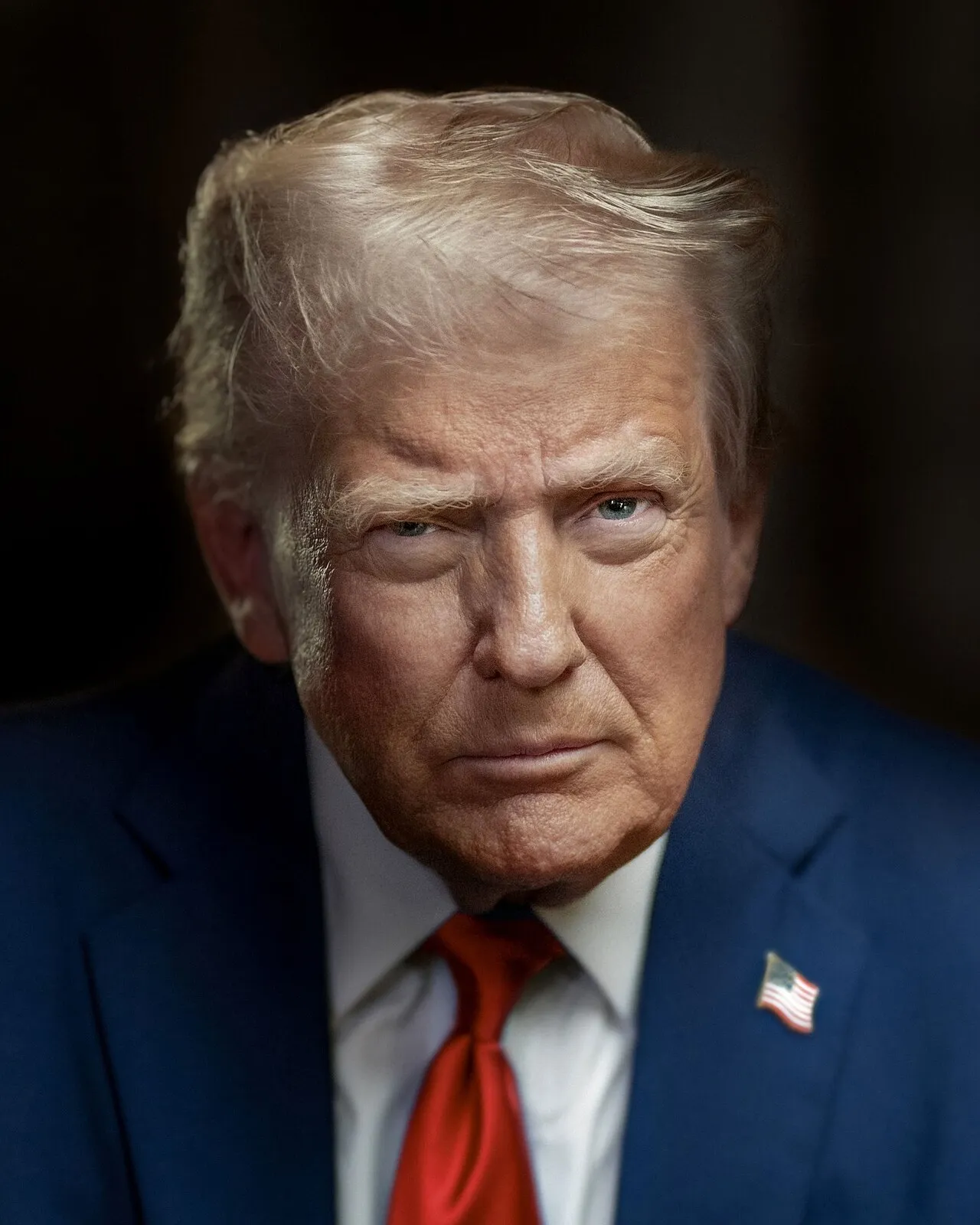
During a symbolic final stop of Chinese President Xi Jinping's state visit to the U.S., the National Archives visit with U.S. President Donald Trump was altered at the last minute.
The Treaty of San Francisco, which left Taiwan's political status undetermined, was originally planned to be displayed but was removed due to Chinese sensitivities.
Taiwan remains a sensitive issue in the U.S.-China relationship, and the incident highlights how historical interpretations continue to impact foreign policy.
The Treaty of San Francisco, which China does not recognize, has been a point of contention since late last year.
The Chinese embassy learned about the planned display during Xi's state visit to Washington, according to two Chinese diplomats.
The visit was intended to symbolize the parameters within which both leaders operate, with Trump showing America's foundational documents and Xi showcasing China's historical sites during his visit.
Background
Chinese President Xi Jinping capped his state visit to the U.S. with a symbolic final stop at the National Archives.
Chinese President Xi Jinping and US President Donald Trump concluded their three-day summit with a visit to the National Archives.
What's still developing
- But the entire display was removed, due to a "last minute" change in the event, according to a Chinese diplomat granted anonymity because they were not authorized to speak publicly.
- "The visit offered an opportunity for both leaders to discuss the United States and China's history and concluded a very productive state visit between the two leaders," the official said.
- Other documents key to defining the U.S.' relationship to Taiwan were also discussed for possible display, according to U.S. officials involved in the visit planning, namely the Six Assurances and the Three Communiques, but those documents were ultimately not included.
- "I think the trip to the National Archives was intended to reciprocate Xi Jinping's hospitality in Beijing when he took Donald Trump to the Temple of Heaven and the private tour of the gardens in Zhongnanhai [the central leadership compound in Beijing]. And the symbolism of Xi Jinping showing the Temple of Heaven and what that stood for and President Trump showing America's foundational documents and how they inform America's approach to China, I think it sends a signal of the parameters of limits in which President Trump operates," said Hass.
- On Taiwan, China prefers instead to reference the Cairo Declaration and Potsdam Declaration in which U.S. leaders supported the cessation of Japanese territories, and "restore" them to Chinese sovereignty under the "Republic of China," though that moniker now refers to the government which presides over Taiwan. When President Trump and Chinese leader Xi walked up red-carpeted stairs into the Archives in Washington D.C., the building's foyer had been cleared, and the two men browsed original copies of the Declaration of Independence, the Constitution, and the Bill of Rights. Xi praised the "founding spirit" of 250 years of U.S. history in the archives.