
Home · Technology · Sep 29 archive
State Dept Considers Sharing Passport Data for Voter Verification
Confirmed
In Short: These incidents underscore the need for robust data protection measures as the State Department considers sharing sensitive passport information for voter verification.
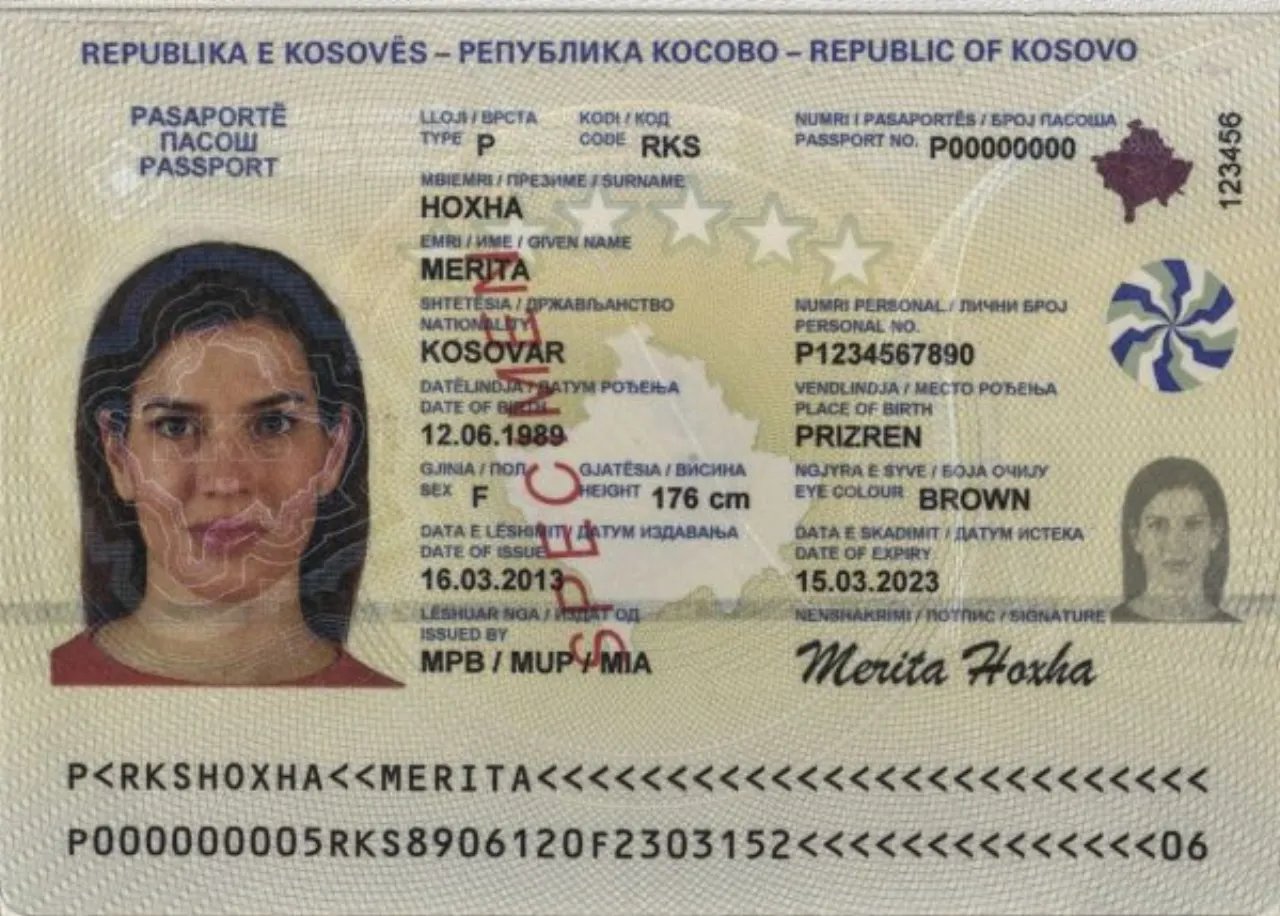
The State Department is considering sharing passport information with state and local officials to verify voters' citizenship status ahead of the midterm elections, according to a filing in the Federal Register.
The initiative aims to protect Americans' data while deterring fraud and supporting the integrity of U.S. citizenship, a department spokesperson said.
The filing would permit information sharing with various entities using federal government verification platforms, including voter eligibility checks.
The plan comes days after a Supreme Court decision allowing the Department of Homeland Security to share citizenship information for voter verification purposes.
The records to be shared include personally identifiable information from the State Department's Passport Services Records system.
The Justice Department disclosed the plan in a court filing, stating federal officials plan to use passport records to identify potential noncitizens on voter registration rolls.
Fox News host Laura Ingraham and Ohio Congressman Jim Jordan discussed the importance of election integrity, criticizing a federal judge's decision that blocked a previous voter verification database.
Jordan argued that the ruling impedes election integrity by allowing non-citizens on voter rolls and goes against common sense.
The segment highlighted ongoing concerns about election security and judicial activism, particularly regarding voter ID laws.
Meanwhile, cybersecurity issues have emerged, with IDScan confirming a data breach involving the theft of driver’s licenses and other government-issued documents, including passports.
Security researcher Brian Krebs verified the authenticity of the stolen data, which included high-profile individuals such as the U.S. Secretary of Defense Pete Hegseth.
Revolut also confirmed that a scammer used a real government email domain to obtain sensitive customer data, including passports, selfies, and Bitcoin transaction histories.
What this adds
The Supreme Court decision allowing the sharing of citizenship information by the Department of Homeland Security precedes the State Department's consideration of similar measures.
The data breaches at IDScan and Revolut highlight the risks associated with handling sensitive personal information, which could impact the public's trust in voter verification initiatives.
What's confirmed
- The objective of the plan is to share the information in a way that "protects Americans' data, deters fraud and supports the integrity of U.S. citizenship," a department spokesperson said in a statement to NewsNation.
- The notice would permit "information sharing with various entities utilizing federal government verification platforms, for the purpose of verifying the identity or citizenship for users accessing government websites and applications, voter eligibility, and other governmental services," according to the filing.
- The filing came just days before a 6-3 Supreme Court decision on Friday that allowed the Department of Homeland Security to share citizenship information so local governments can verify whether registered voters are U.S. citizens.
What's still developing
- Disrupt 2026: OpenAI, Anthropic, Replit, and more take over 6 industry stages. 25% off tickets now Back by popular demand: Save up to $300 on Disrupt ID verification service IDScan has confirmed that a data breach involved the theft of driver’s licenses from its systems, a week after a report said the identity document checker had been breached during a year-long hack.
- IDScan said in its notice that it “received information” on or around September 1 about a claim of a hack, on the same day that independent cybersecurity journalist Brian Krebs first reported a data breach at IDScan.
- The company’s statement said that, “though full access to the information required payment” — likely referring to a demand for money made by the hackers to access the full cache of stolen data — the company was providing notice on its website to notify potentially affected individuals.
- According to CoinDesk, passports, selfies and home addresses were handed over after the digital bank treated the request as legitimate, with the firm saying Saturday that no customer funds were lost.
- It follows a similar pilot on Injective a month earlier, suggesting POSCO is testing multiple blockchains... - how to tokenize trade receivables on blockchain - real trade finance settlement on avalanche blockchain The company says it blocked the sender after identifying the problem, alerted the government agency, contacted police and notified data protection and financial regulators.
- Revolut hasn't published the number, the date the data left, or the name of the authority whose domain was used.
- The money stayed put, but the data that helps criminals target you did not.
- OAN Staff Lillian Mann 6:00 PM – Monday, September 28, 2026 Ahead of midterm elections, the United States Department of State (DOS) is reportedly “assessing” how to share passport information with state and local governments, as well as non-profit groups, in an effort to establish citizenship checks for voters.