
Home · Politics · Sep 29 archive
News Outlets Sue to Block White House Access Ban
Confirmed
In Short: The outlets, which were banned from White House grounds earlier this month, are seeking a preliminary injunction that would extend their access until the case is resolved.
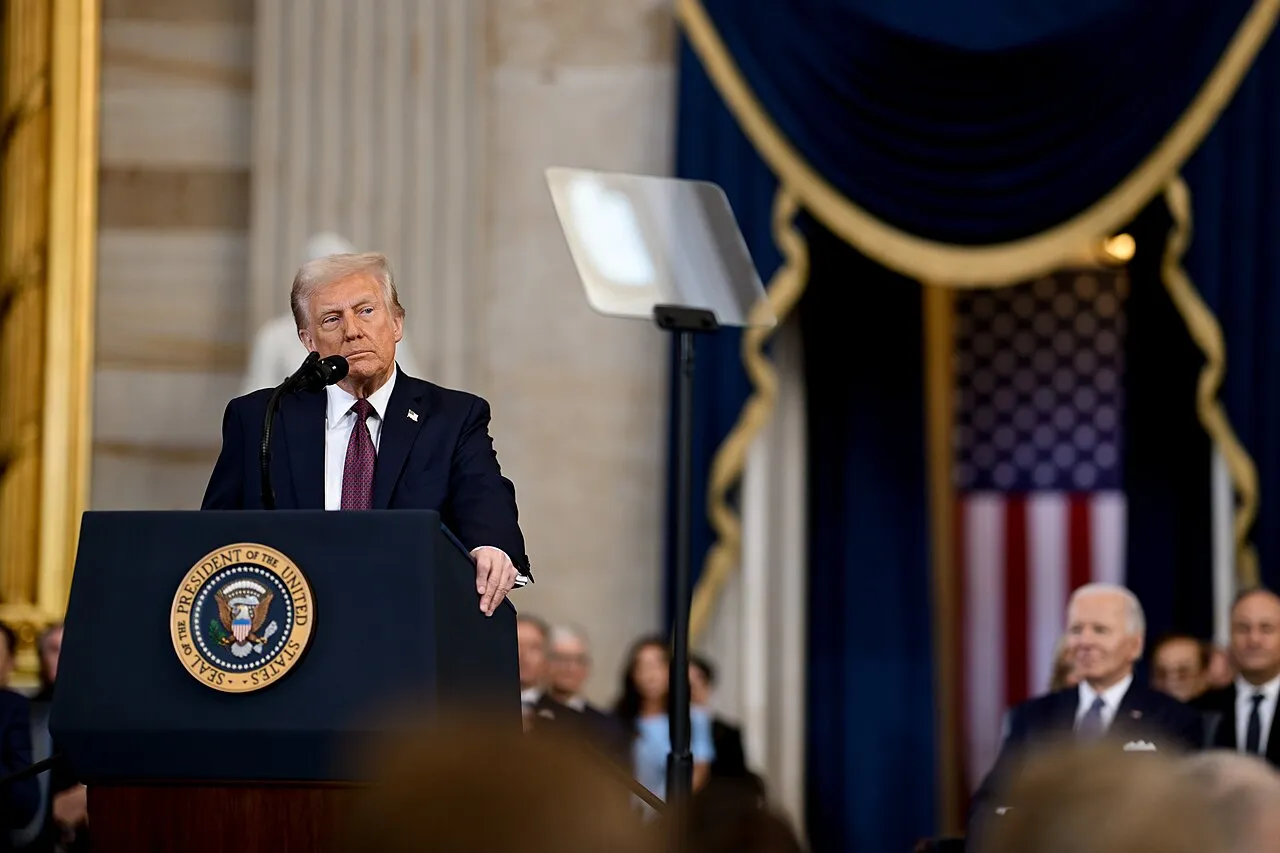
Three news organizations — CNN, MS NOW, and Politico — have filed a lawsuit asking a federal court to block President Donald Trump's ban on their White House access, arguing it violates their First Amendment rights.
In a statement, the lead attorney for the news outlets called the ban 'a blatant violation of the First Amendment and due process.
The lawsuit, filed on September 26, 2026, argues that the White House retaliated against the outlets for protected newsgathering and engaged in unlawful viewpoint discrimination.
Judge Timothy Kelly had previously issued a 14-day temporary restraining order on the ban, finding that the administration's action likely violated the outlets' right to due process.
The Justice Department maintains that the president acted lawfully after determining that the outlets' reporting threatened national security by revealing classified information.
The dispute is being closely watched because a final ruling could shape how far a U.S. administration may go in restricting access to journalists or entire news organizations based on their editorial coverage.
Politico Editor-in-Chief Jonathan Greenberger said he stood with the outlet’s staff and other journalists covering the White House, while CNN said it would not be 'deflected' from holding the government accountable.
The White House did not respond to a request for comment about the goals or topics for the meeting.
The outlets argue that their credentials were taken without advance notice, an explanation, or a meaningful opportunity to challenge the decision.
The Justice Department said Trump lawfully banned the outlets after determining their coverage threatened national security by revealing classified information.
The administration initially defended the move by accusing the outlets and later argued that certain coverage compromised national security.
The outlets said in their September 21 lawsuit that Trump's bans were unlawful viewpoint discrimination under the First Amendment of the Constitution, which guarantees free speech and free press rights.
What this adds
The dispute is being closely watched because a final ruling could shape how far a U.S. administration may go in restricting access to journalists or entire news organizations based on their editorial coverage.
The Justice Department maintains that the president acted lawfully after determining that the outlets' reporting threatened national security by revealing classified information.
The White House did not respond to a request for comment about the goals or topics for the meeting.
Background
Judge Timothy Kelly wrote that the administration likely violated the outlets' constitutional due process rights and issued a temporary restraining order, allowing the outlets to access the White House.
A federal judge ordered President Trump to restore White House access for journalists from CNN, MS NOW, and Politico, saying the ban was likely unconstitutional.
What's confirmed
- A two-week temporary restraining order on Trump's ban of the three organizations, issued by U.S. District Judge Timothy Kelly last week, restored the outlets' White House access, but expires Oct. 8.
- "The court is skeptical … that defendants' interest in safeguarding national security is the actual motivation" for removal of access, Kelly wrote.
- Three news outlets that President Donald Trump abruptly banished from White House grounds this month asked a federal court to block the ban until the case is resolved, saying the administration has "persisted in unpredictably and inconsistently implementing its ban" despite a judge's restraining order — including selectively barring CNN from White House pool duties.
- It was the latest development in the back-and-forth saga of the Trump administration and the news media during the second term of his presidency.
- The preliminary injunction requested in Monday's filing would extend the White House access until the case is finally resolved.
- In a statement emailed to The Associated Press immediately after the filing, the lead attorney for the three news outlets called the ban "a blatant violation of the First Amendment and due process." "That's retaliation and viewpoint discrimination, pure and simple," Boutrous said.
- Trump administration said in a September 18 social media post that he was banning the outlets for “reporting FAKE NEWS” and that they "shouldn't be able to constantly write or report FICTION and LIES.” The U.S.
- The White House did not respond to a request for comment about the goals or topics for the meeting.
What's still developing
- Attorneys representing the prominent media entities formally requested a preliminary injunction from a U.S. district judge in Washington, D.C., aiming to maintain the block on the executive branch's directive.
- The U.S. President Donald Trump has frequently clashed with the media in his second term and personally sued outlets including the New York Times, Wall Street Journal and BBC for defamation.
- “This morning, we notified the government that we are filing a lawsuit today to protect our First Amendment rights and defend the principle that the government does not decide what the press reports or publishes,” the outlets said in a joint statement released by CNN.
- Trump accused the outlets of publishing “fake news,” “fiction and lies” about him, his administration and the United States, and said other outlets could follow.
- CNN, MS NOW and Politico reporters are now unable to access their White House workspaces; CNN and MS NOW also cannot use their camera locations on the grounds.
- The outlets filed their request for a preliminary injunction late Monday, seeking a longer-lasting order after US District Judge Timothy Kelly temporarily blocked the ban and directed the administration to restore their press passes.
- If granted, it would keep the access protections in place while the court considers the outlets' broader constitutional claims and the administration's defense.
- September 28, 2026 Dawn warns AI, misinformation, limits on reporters and weak standards are making verified journalism harder and urges responsibility to protect trusted news.
- Trump confirmed the meeting to Fox News' Aishah Hasnie.
- Your digital subscription includes access to content from all our websites in your region.
- Access unlimited news content and The Canberra Times app.
- Premium subscribers also enjoy interactive puzzles and access to the digital version of our print edition - Today's Paper.