
Home · Faith · Sep 29 archive
Federal Court Rules in Favor of Oklahoma Jewish Charter School
Confirmed
In Short: A federal court in Oklahoma ruled that denying a Jewish charter school public funding on religious grounds violates the U.S. Constitution.
A federal court in Oklahoma ruled in favor of a Jewish charter school, granting it access to the state’s publicly funded charter program. The ruling came after the school challenged the state’s requirement that charter schools must be nonsectarian and not affiliated with religious groups.
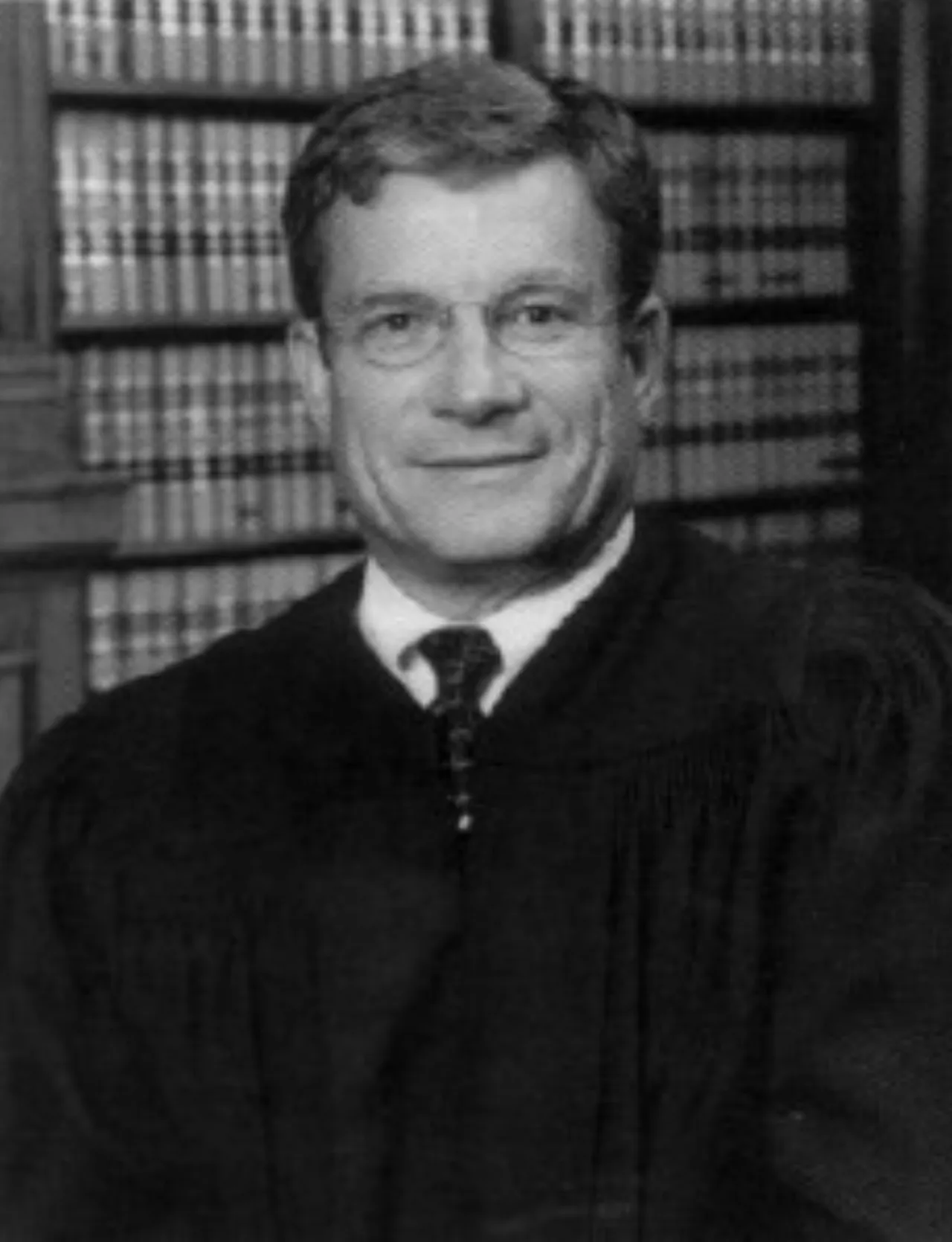
In his ruling, Judge Russell stated that the denial of the school’s application on religious grounds constituted a “concrete” and “actual” injury. He cited a “long line of Supreme Court precedent” supporting the school’s position that the denial of public funding violates the U.S. Constitution.
The Jewish charter school’s victory comes more than a year after a Catholic charter school lost a similar lawsuit seeking to be included in Oklahoma’s charter school funding. The Catholic school’s case was ultimately declined by the Supreme Court, leaving the school without charter funding.
The state has 30 days to appeal the ruling to the federal Court of Appeals for the 10th Circuit. If the state chooses to appeal, the case could have broader implications for religious charter schools across the country.
Judge Russell’s ruling highlights the ongoing legal battles over religious freedom and public funding in education. The Jewish charter school’s legal team, Becket, emphasized that the Constitution does not permit the state to exclude religious charter schools from public funding.
The ruling could potentially affect the status of the Catholic charter school, though it is unclear how the decision will impact the previous case. Legal experts suggest that the ruling may set a precedent for future cases involving religious charter schools.
The case has drawn attention to the complex interplay between religious freedom and public funding in education. Advocates for religious schools argue that excluding them from public funding violates the Constitution, while opponents argue that public funds should not support religious institutions.
The Jewish charter school’s victory is a significant win for religious freedom in education. However, the state’s decision to appeal the ruling could prolong the legal battle and leave the status of religious charter schools uncertain.
The case underscores the importance of judicial rulings in shaping educational policies and the ongoing debate over the role of religion in public education.
The ruling also highlights the need for clear guidelines and policies regarding religious charter schools to ensure that all students have equal access to educational opportunities.
What this adds
The Jewish charter school’s case is distinct from the Catholic charter school’s case, which was declined by the Supreme Court. The ruling does not directly affect the Catholic charter school’s status.
The ruling could have broader implications for religious charter schools across the country, potentially setting a precedent for similar cases.
Background
An Indonesian court has ruled against a practice known as 'patent evergreening,' a tactic used by pharmaceutical companies to extend the patent life of existing medications by filing minor modifications.
What's confirmed
- A federal court in Oklahoma ruled in favor of a Jewish charter school, granting it access to the state’s publicly funded charter program. The ruling came after the school challenged the state’s requirement that charter schools must be nonsectarian and not affiliated with religious groups.
- In his ruling, Judge Russell stated that the denial of the school’s application on religious grounds constituted a “concrete” and “actual” injury. He cited a “long line of Supreme Court precedent” supporting the school’s position that the denial of public funding violates the U.S. Constitution.
- The Jewish charter school’s victory comes more than a year after a Catholic charter school lost a similar lawsuit seeking to be included in Oklahoma’s charter school funding. The Catholic school’s case was ultimately declined by the Supreme Court, leaving the school without charter funding.
- The state has 30 days to appeal the ruling to the federal Court of Appeals for the 10th Circuit. If the state chooses to appeal, the case could have broader implications for religious charter schools across the country.
- Judge Russell’s ruling highlights the ongoing legal battles over religious freedom and public funding in education. The Jewish charter school’s legal team, Becket, emphasized that the Constitution does not permit the state to exclude religious charter schools from public funding.
- The ruling could potentially affect the status of the Catholic charter school, though it is unclear how the decision will impact the previous case. Legal experts suggest that the ruling may set a precedent for future cases involving religious charter schools.
- The case has drawn attention to the complex interplay between religious freedom and public funding in education. Advocates for religious schools argue that excluding them from public funding violates the Constitution, while opponents argue that public funds should not support religious institutions.
- The Jewish charter school’s victory is a significant win for religious freedom in education. However, the state’s decision to appeal the ruling could prolong the legal battle and leave the status of religious charter schools uncertain.
- The case underscores the importance of judicial rulings in shaping educational policies and the ongoing debate over the role of religion in public education.
- The ruling also highlights the need for clear guidelines and policies regarding religious charter schools to ensure that all students have equal access to educational opportunities.
What's still developing
- That rule was previously challenged by a Catholic institution, St. Isidore of Seville Catholic Virtual School, which sought funding from the charter school board and which sued the state in 2023 over being excluded from the state program.
- The state’s high court though did not order Tulsa County District Judge Sharon Holmes to face removal proceedings as had been recommended by a state agency that investigated the complaints, according to an order released Monday.
- Holmes was accused of having improper ex parte communications with jurors and a criminal defendant appearing before her without others present, which “created the appearance of impropriety, undermining the public’s confidence in the independence, integrity and impartiality of the judiciary,” the Supreme Court said.
- In another instance, she yelled at a public defender and was observed as “very hostile and very nasty,” according to the Court.
- “Judge Holmes’ behavior in these instances was undignified, and her conduct displayed a lack of temperament required of a judge,” the Oklahoma Supreme Court said.
- But while the allegations were serious, they do not establish that Holmes’ conduct was an excessive use of judicial authority, the court wrote.
- She began her career in journalism in 1989 after graduating from Oklahoma State University.
- Pictured is the entrance to Oklahoma Supreme Court chamber in the Oklahoma Capitol.
- (Photo by Carmen Forman/Oklahoma Voice) OKLAHOMA CITY – The Oklahoma Supreme Court publicly reprimanded a Tulsa county judge, saying her conduct was “indefensible” and reflected a lack of impulse control and judgment.