
Home · Business · Sep 28 archive
US Strategic Petroleum Reserve Hits 40-Year Low
Confirmed
In Short: The U.S. Strategic Petroleum Reserve has dropped below 285 million barrels, its lowest level since the early 1980s, raising concerns about its ability to manage high fuel prices.
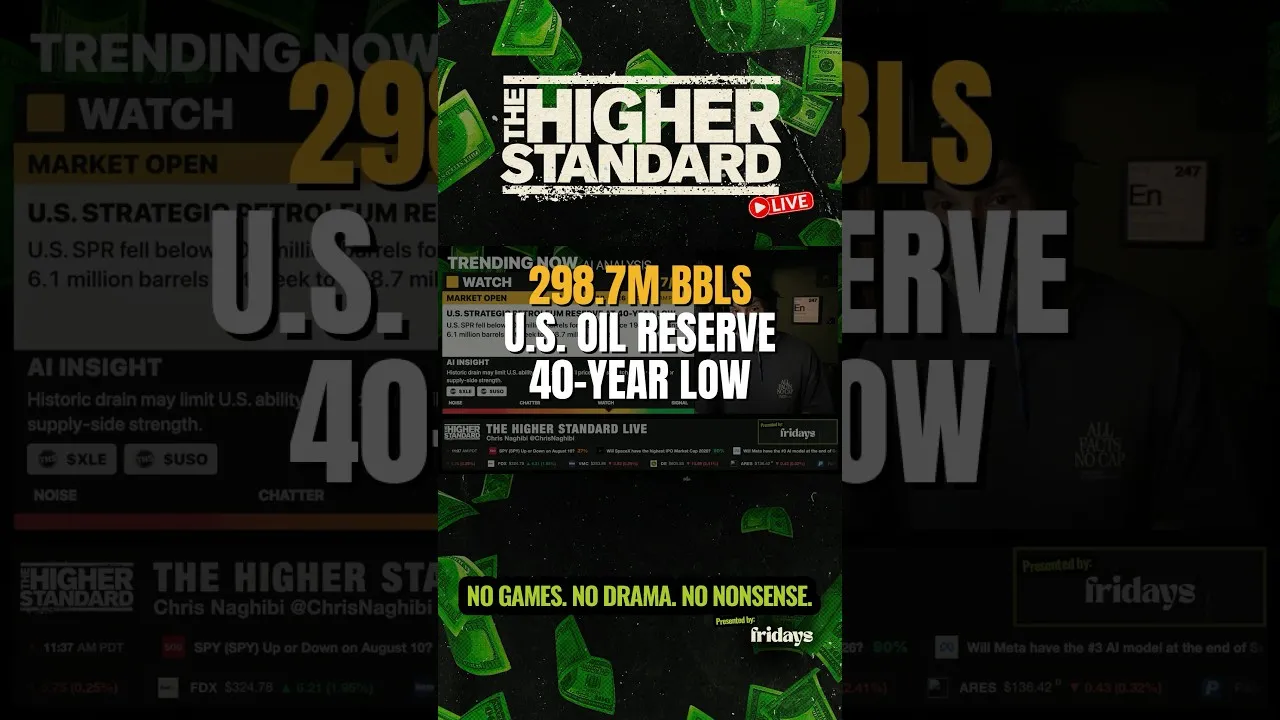
The U.S. Strategic Petroleum Reserve, a government oil stockpile used to refine gasoline and diesel, is now at its lowest level since the early 1980s, with less than 285 million barrels of oil, down from around 415 million barrels in February.
This decline, coupled with high gas prices and record-high diesel costs, has raised concerns about the reserve's ability to mitigate fuel price spikes.
U.S. Secretary of Energy Chris Wright clarified that the recent deal with Venezuela does not involve filling the reserve with crude oil.
Experts warn that depleting the reserve too much can damage the physical facilities and pose economic risks, especially with ongoing tensions with Iran.
In a related development, Naftogaz and Hungarian energy group MOL signed a memorandum of understanding to build petroleum storage facilities in Hungary near the Ukrainian border.
The cross-border project aims to protect strategic fuel reserves from Russian air strikes and ensure reliable domestic supplies, particularly as Ukraine faces persistent missile and drone bombardments.
Despite these challenges, Ukraine's Prime Minister stated that the country has the necessary reserves and contingency plans to maintain stability.
Higher crude prices and concerns over the end of U.S. Strategic Petroleum Reserve releases are also contributing to market volatility.
What's confirmed
- The U.S. Strategic Petroleum Reserve, a government oil stockpile used to refine gasoline and diesel, is now at its lowest level since the early 1980s, with less than 285 million barrels of oil, down from around 415 million barrels in February.
- This decline, coupled with high gas prices and record-high diesel costs, has raised concerns about the reserve's ability to mitigate fuel price spikes.
- U.S. Secretary of Energy Chris Wright clarified that the recent deal with Venezuela does not involve filling the reserve with crude oil.
- Experts warn that depleting the reserve too much can damage the physical facilities and pose economic risks, especially with ongoing tensions with Iran.
- In a related development, Naftogaz and Hungarian energy group MOL signed a memorandum of understanding to build petroleum storage facilities in Hungary near the Ukrainian border.
- The cross-border project aims to protect strategic fuel reserves from Russian air strikes and ensure reliable domestic supplies, particularly as Ukraine faces persistent missile and drone bombardments.
- Despite these challenges, Ukraine's Prime Minister stated that the country has the necessary reserves and contingency plans to maintain stability.
- Higher crude prices and concerns over the end of U.S. Strategic Petroleum Reserve releases are also contributing to market volatility.
What's still developing
- Gas prices are still high, diesel is at a record high, and the reserve has shrunk more than 30% in six months.
- As the reserves get lower and lower, the physical facilities can get degraded, Gross says: " You can damage them by pumping too much out of them." And there's an economic risk, too, as the war with Iran drags on, says Ben Cahill, who covers the global energy sector as a non-resident senior fellow at the Atlantic Council, a nonpartisan think tank.