
Home · Politics · Sep 28 archive
Senate to Vote on Protect College Sports Act
Confirmed
In Short: The Senate is set to vote on the Protect College Sports Act, a bill that aims to regulate college sports by capping coaching salaries and increasing player payments.
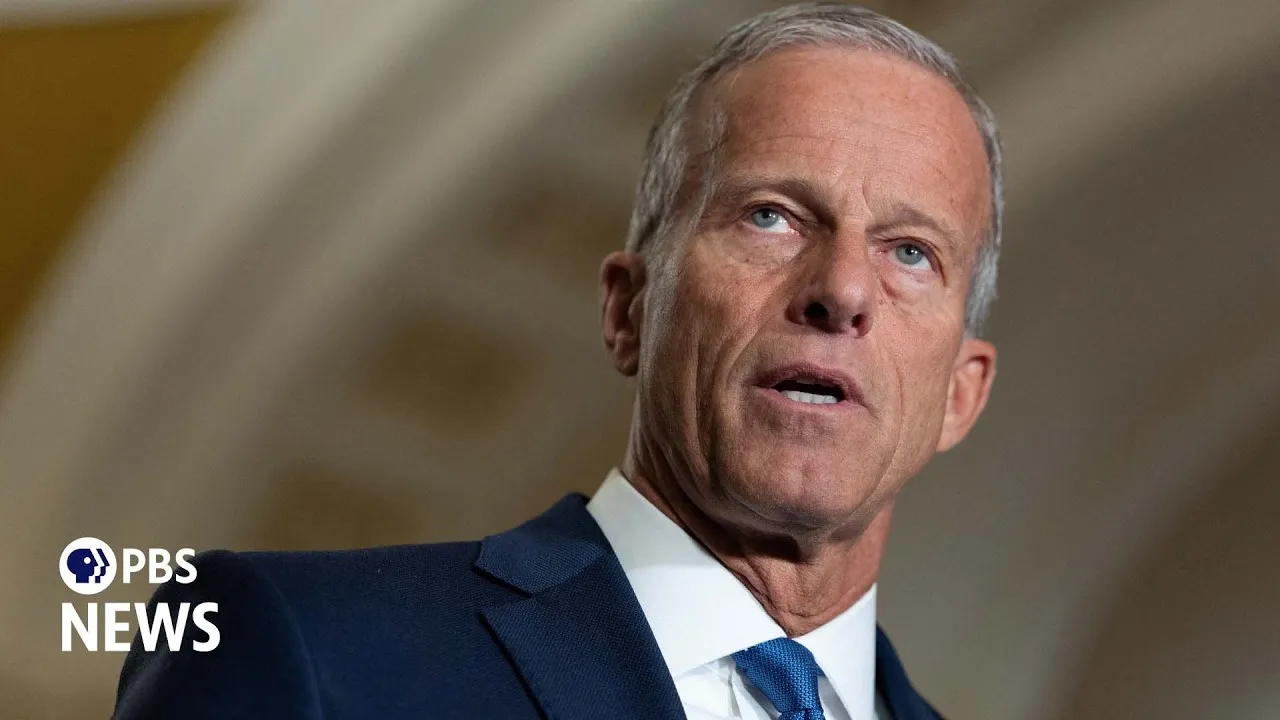
The Senate is set to vote on the Protect College Sports Act, a bill that aims to regulate college sports by capping coaching salaries and increasing player payments.
Former college football coach Tommy Tuberville, now a senator from Alabama, has been a vocal critic of the bill.
Sen. Cory Booker, who played college basketball in the late 1980s, also expressed frustration with the bill.
At least half a dozen sitting senators were NCAA Division I athletes, and a handful of others played in Division II or in sports governed by other organizations.
Supporters of the bill argue it is needed to bring order and consistent regulation to college sports.
The bill would give the NCAA and its member conferences the authority to enforce uniform national rules on college athletics.
If passed, the bill would establish new guardrails around the system in an attempt to rein in the runaway costs for colleges.
Critics argue the bill doesn't do enough to protect athletes or curtail the enormous sums of money flowing to coaches, colleges, and conferences.
The bill's backers — more than 70 senators from both parties — say it aims to curtail constant litigation and uncertainty across college sports for athletes, schools, and fans.
What this adds
The bill would still have to pass the House.
The bill is the product of years of Senate negotiations that intensified as some in the industry pleaded with Congress to step in after a 2025 lawsuit settlement uprooted the college sports landscape by allowing colleges to pay their players.
Lawmakers will have to start over in the next Congress if the bill doesn't pass both chambers by the end of the year.
Background
The U.S. Senate is set to vote on the Protect College Sports Act, which aims to regulate college sports by capping coaching salaries and increasing player payments.
Former President Barack Obama's brother-in-law, Craig Robinson, who is the executive director of the National Association of Basketball Coaches, has rejected claims that a bipartisan college sports bill is a civil rights issue.
What's confirmed
- No one in the Senate spent as many years in college sports as Tommy Tuberville, the football coach turned Alabama senator (who is stepping down after this term as he runs for governor in this fall's election in the state).
- "For years, everyone around college sports made money — schools, conferences, television networks, sponsors, coaches — while the athletes were told they could not make any money," he said.
- Booker was on the team from 1987 to 1990, when college football's big money era was just getting started.
- "That's what frustrates me — we have a bill that's going to protect the wealth and the gravy train for a lot of folks but puts burdens on college athletes," said Booker.
- WASHINGTON — With a major college sports reform bill on the brink of a milestone in Congress, some former athletes have a special place in the debate: the handful of U.S.
- Supporters of the Protect College Sports Act, which is poised to pass the Senate on Monday, say the bill is needed to fix what they call an era of chaos in Division I athletics, characterized by ballooning pay for athletes, unlimited transfers between schools, constant lawsuits over eligibility rules and runaway athletic department budgets.
- At least half a dozen sitting senators were NCAA Division I athletes, and a handful of others played in Division II or in sports governed by other organizations.
- A decade later, name-image-likeness payments, known as NIL, have transformed college sports, as high-level athletes — especially in the revenue-generating sports of football and basketball — now regularly sign deals worth thousands, or even millions, of dollars per season.
- "That needed to change, and it did." But other changes, many of them brought about by the flood of litigation that followed O'Bannon, have been harmful, he argued — especially the erosion of NCAA rules about who is eligible to play college sports and the freedom of athletes to transfer between schools without penalty, as thousands of Division I athletes now do each year.
- Tuberville initially opposed the Protect College Sports Act because he saw it as government overreach into college sports.
What's still developing
- Influential figures in college sports, including former Alabama head football coach Nick Saban and ESPN analyst Pat McAfee, have publicly called on Congress to pass the measure.
- “Congress does need to fix the mess in the courts and create a national framework so the people inside college sports can enforce fair rules,” Saban said during a Senate Commerce, Science and Transportation committee hearing in June.
- Ted Cruz (R-Tex.) — the NCAA would be granted a limited antitrust exemption that would allow the organization to create standardized rules around athlete eligibility, limit conference realignment and prevent the creation of a super league — a private-equity model for college sports that would replace NCAA subdivisions.
- A potential consequence of the bill could be that big-name programs lose their ability to draw the best college athletes with promises of massive compensation, allowing smaller programs to compete under NCAA regulations.
- As the debate over the bill has unfolded over the past year, their experiences have informed their approach to the legislation.
- Lawmakers will have to start over in the next Congress if the bill doesn't pass both chambers by the end of the year.
- College sports have been reeling in the wake of the 2025 court settlement allowing colleges to directly pay players for their name, image and likeness.
- Passage of the legislation would be the strongest effort yet by Congress to set national regulations governing payments to college athletes for their name, image and likeness and how often they can transfer.
- WATCH: Senate expected to hold vote on College Sports Act The bill is the product of years of Senate negotiations that intensified as some in the industry pleaded with Congress to step in after a 2025 lawsuit settlement uprooted the college sports landscape by allowing colleges to pay their players.
- Trump had been pushing state Republicans to redraw voting lines so they could flip a seat currently held by Democratic Rep. Jim Clyburn.
- Also on Tuesday, a federal court temporarily blocked the redistricting plan Alabama lawmakers had approved to flip a Democratic-held seat there.
- It would have made all the state's seven congressional districts lean Republican and it would have extended the GOP lead in the national redistricting race, already netting them around nine more seats in the U.S.