
Home · Entertainment · Sep 28 archive
Mighty Sparrow, Calypso Legend, Dies at 91
Confirmed
In Short: Francisco, born in Grenada and raised in Trinidad and Tobago, took on the name and persona of the Mighty Sparrow, becoming a defining voice of calypso music.
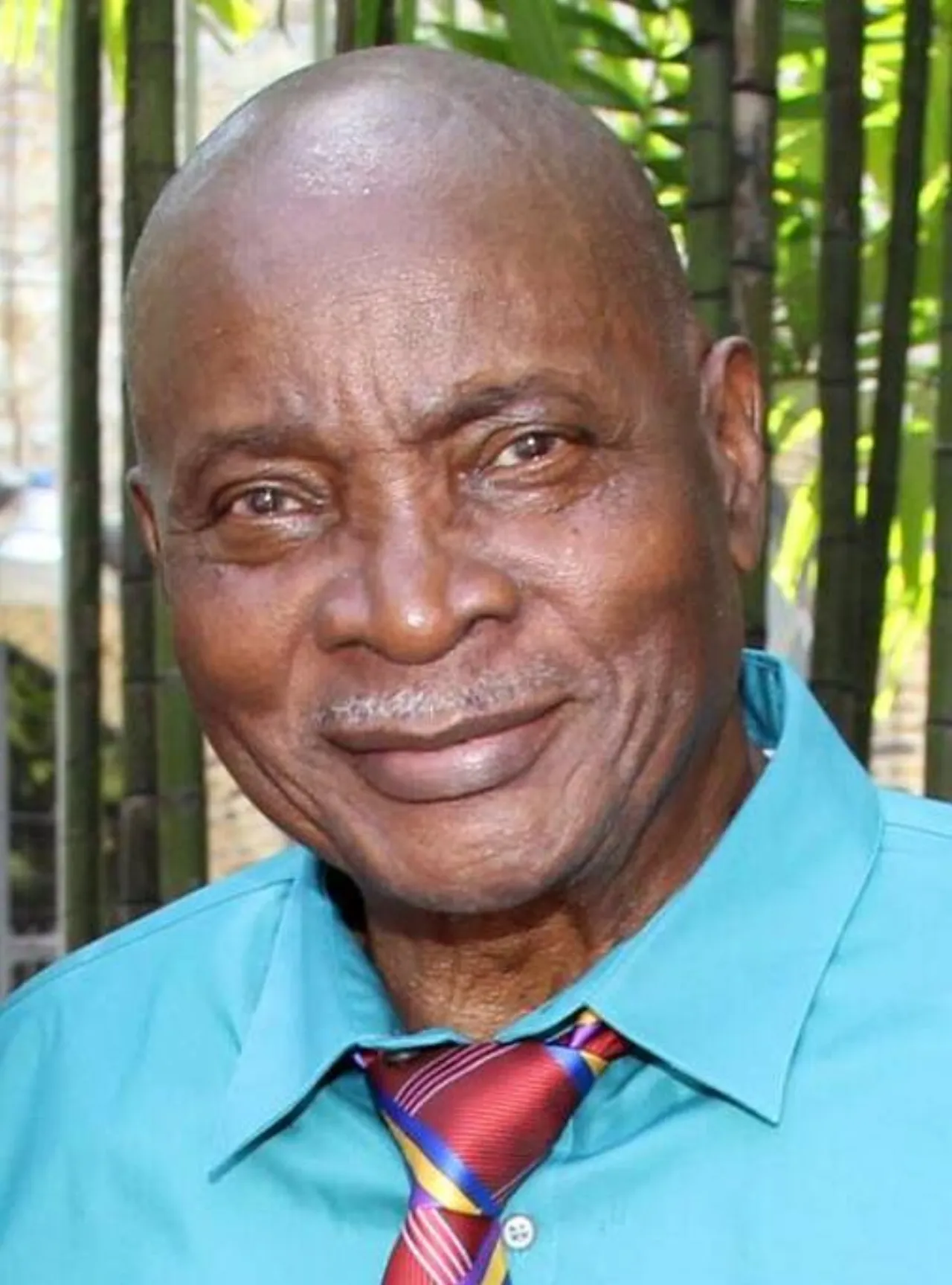
Legendary calypso singer Slinger Francisco, better known as the Mighty Sparrow, died peacefully in New York at the age of 91, surrounded by family.
The Mighty Sparrow was named Calypso Monarch eight times and won Trinidad and Tobago’s Carnival Road March competition eight times.
He performed at major venues in New York, including Madison Square Garden and the Apollo Theater, and his music explored themes of politics, colonialism, and relationships.
Bob Dylan praised him as the “king” of calypso, and Colin Powell called him the “Mount Olympus of Calypso.”
In his final days, Sparrow embraced Christianity and was baptized into the Seventh-day Adventist faith.
His daughter Karen shared the news on social media, confirming that he died after a brief illness.
The Trinbago Unified Calypsonians’ Organisation remembered him as a master storyteller and a towering figure whose music helped carry calypso from Trinidad and Tobago to the world.
Prime Minister Holness of Jamaica paid tribute, saying Sparrow’s songs became part of the soundtrack of Caribbean life and culture, beloved by generations.
Many contemporary Caribbean music stars have taken to social media to pay tribute to Francisco, acknowledging his profound influence on the genre.
What this adds
The news of Sparrow's death marks the end of a legendary career that transformed calypso into a sophisticated form of oral storytelling, as noted by Professor Gordon Rohlehr.
Background
Slinger Francisco, better known as the Mighty Sparrow, the legendary calypso singer from Trinidad and Tobago, died at the age of 91.
What's confirmed
- After uniting music lovers worldwide for decades, Francisco will be remembered as “a defining voice of our culture, a master storyteller and a towering figure whose music helped carry calypso from Trinidad and Tobago to the world,” the Trinbago Unified Calypsonians’ Organisation said in a statement.
- He was named Calypso Monarch eight times and an eight-time winner of Trinidad and Tobago’s Carnival Road March competition.
- “It is with great sadness that we announce the passing of Trinidad and Tobago’s Calypso icon, Slinger Francisco, known to the world as ‘The Mighty Sparrow’,” the family said in a statement.
- The song helped propel Sparrow to international attention during a period when calypso was enjoying growing popularity in North America and Europe.
- The family also said that in his final days, Sparrow had embraced Christianity, giving his life to Jesus Christ and being baptised into the Seventh-day Adventist faith.
- “Growing up, I enjoyed his music, humour and sharp social commentary. His songs became part of the soundtrack of Caribbean life and culture, beloved by generations of Jamaicans and people across the region,” Holness said.
- “The Mighty Sparrow leaves behind a remarkable musical legacy that will continue to live on across generations,” Holness said.
- Tropical Storm Hanna — 40 mph sustained winds Legendary calypsonian Slinger Francisco, better known as the Mighty Sparrow, has died at the age of 91.
- Sparrow, widely regarded as one of the most influential figures in Caribbean music, enjoyed a career spanning more than seven decades and became internationally known for his distinctive voice, sharp wit and social and political commentary.
- His energetic stage performances earned him the nickname “Little Sparrow,” which he later shortened to the Mighty Sparrow.
- After leaving school, he worked for the Trinidad government while continuing to perform calypso.
- Sparrow emerged as one of Trinidad and Tobago’s leading calypsonians in the mid-1950s.
What's still developing
- His well-known songs included “Congo Man,” “Both of Them,” “Mr. Walker,” “The Lizard” and “King of the World,” The Guardian reported.
- He later rose to prominence in calypso music with his 1956 hit “Jean and Dinah,” which brought him international success.
- He used calypso as social commentary while incorporating elements of jazz, swing, bebop, reggae and soca.
- Seven decades of wit, satire, social commentary, and unforgettable Caribbean music — and, according to his family, a final chapter marked by faith #MightySparrow #Calypso #CaribbeanMusic #Caribbean pic.twitter.com/SdYyPDI8XI — Caribbean Diaspora News | News Americas (@NewsAmericasNow) September 27, 2026 Sparrow was undoubtedly all of this, but at his core, he was a calypsonian — and arguably, one of the best.
- As he began to perform in the mid-1950s, the established calypsonians gave him his moniker, as is the custom.
- According to Caribbean National Weekly, “Jean and Dinah” allowed Sparrow to make an impression at a time when there was international interest in calypso music.
- Trinidad and Tobago time on Sunday, September 27, the announcement that calypso legend The Mighty Sparrow had prognosticated in song for decades, finally came.
- Though he was born in Grenada’s coastal town of Grand Roy in 1935, Francisco migrated with his parents to Trinidad & Tobago as a toddler in 1937, setting in motion a lifelong love affair with music that properly began when he joined a steel pan band and played Carnival with them at just 14 years old.
- Required fields are marked * A daily briefing on what matters in the music industry Send us a tip using our anonymous form.
- He made serious inroads with his first recordings in the early 1950s — including “Missing Baby (Ruby)” and “High Cost of Living” — eventually winning Trinidad’s Carnival Road March and Calypso King competitions with his classic “Jean and Dinah,” a celebration of the departure of American troops from Trinidad.
- By the 1960s, as he regularly picked up new Road March and Calypso King victories, Francisco underscored his international appeal by signing with RCA Records, for whom he recorded 11 albums in just five years.
- The late Professor Gordon Rohlehr, whose work examined calypso in general and Sparrow in particular, has posited that Birdie’s lyrical artistry was key to transforming the genre into a sophisticated form of oral storytelling, much like poetry.