
Home · World · Sep 28 archive
Europe’s Read of the Trump-Xi Summit
Confirmed
In Short: The Trump-Xi summit extended a trade truce until January 2027, focusing on stability amid Middle East tensions.
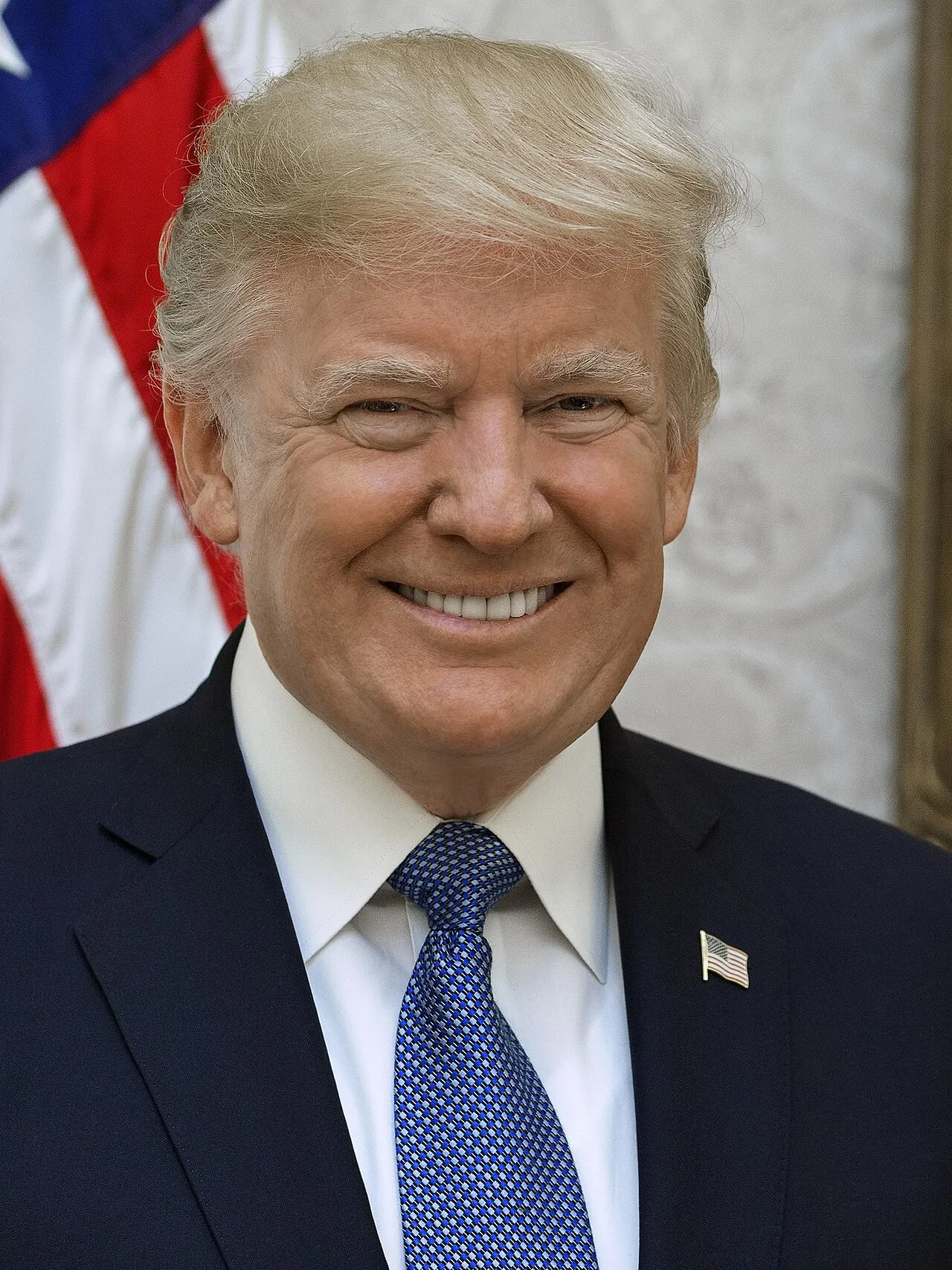
President Trump and Chinese President Xi Jinping concluded their summit with a modest but significant outcome: extending the trade truce until January 2027, a move aimed at maintaining stability in the face of mounting economic pressures from the Middle East.
The summit, held at the White House, saw both leaders address pressing issues such as rare earth minerals and the ongoing conflict in Ukraine, though the most consequential discussions likely took place behind closed doors.
European capitals and Brussels expressed strong interest in stable China-U.S. relations, particularly as instability in the Middle East exacerbates economic challenges for Europe, including higher energy costs and disrupted trade routes.
The extension of the trade truce, first agreed upon after the Trump-Xi meeting in Busan a year ago, involves Washington lowering tariffs and Beijing suspending export controls on rare earths and other critical minerals.
Beyond trade, the summit's discussions on Iran and Russia's war economy were crucial. Xi Jinping's support for Russia's stance at the SCO summit and his emphasis on the importance of the Sino-Russian relationship highlighted the complexity of global diplomacy.
European officials view Russia's aggressive behavior as a sign of desperation, while China's continued involvement in Russia's war economy suggests a more consistent relationship than many in Europe might believe.
The summit's low expectations were reflected in the lack of significant breakthroughs, with analysts like Craig Singleton of the Foundation for Defense of Democracies noting that the relationship is producing transactions without much underlying trust.
Prime Minister Narendra Modi used the BRICS summit in New Delhi to advance a broader agenda for the Global South, including greater trade in local currencies and reforms to international financial institutions.
Despite the summit's focus on stability, the Middle East's continued tensions and the closure of a key Saudi pipeline to the Strait of Hormuz underscored the ongoing challenges in global diplomacy.
What this adds
The summit's outcome aligns with previous WarpBeat reports on the importance of rare earth minerals and the need for stability in Sino-U.S. relations.
Background
Chinese President Xi Jinping and US President Donald Trump concluded their three-day summit with a visit to the National Archives.
At the Trump-Xi summit, rare earth minerals emerged as a key issue even before the leaders met, with China's Foreign Ministry fielding questions about rare earth deliveries and export controls.
What's confirmed
- President Trump and Chinese President Xi Jinping concluded their summit with a modest but significant outcome: extending the trade truce until January 2027, a move aimed at maintaining stability in the face of mounting economic pressures from the Middle East.
- The summit, held at the White House, saw both leaders address pressing issues such as rare earth minerals and the ongoing conflict in Ukraine, though the most consequential discussions likely took place behind closed doors.
- European capitals and Brussels expressed strong interest in stable China-U.S. relations, particularly as instability in the Middle East exacerbates economic challenges for Europe, including higher energy costs and disrupted trade routes.
- The extension of the trade truce, first agreed upon after the Trump-Xi meeting in Busan a year ago, involves Washington lowering tariffs and Beijing suspending export controls on rare earths and other critical minerals.
- Beyond trade, the summit's discussions on Iran and Russia's war economy were crucial. Xi Jinping's support for Russia's stance at the SCO summit and his emphasis on the importance of the Sino-Russian relationship highlighted the complexity of global diplomacy.
- European officials view Russia's aggressive behavior as a sign of desperation, while China's continued involvement in Russia's war economy suggests a more consistent relationship than many in Europe might believe.
- The summit's low expectations were reflected in the lack of significant breakthroughs, with analysts like Craig Singleton of the Foundation for Defense of Democracies noting that the relationship is producing transactions without much underlying trust.
- Prime Minister Narendra Modi used the BRICS summit in New Delhi to advance a broader agenda for the Global South, including greater trade in local currencies and reforms to international financial institutions.
- Despite the summit's focus on stability, the Middle East's continued tensions and the closure of a key Saudi pipeline to the Strait of Hormuz underscored the ongoing challenges in global diplomacy.
What's still developing
- Many European officials argue that Moscow’s behaviour shows it is running out of options in Ukraine.
- Chinese President Xi Jinping told Putin at the SCO summit that the foundations of their bilateral relationship would only become stronger.
- The SCO and BRICS summits indicate Russia retains sufficient value to China, India and other non-Western powers to pursue its war objectives.
- Published 16 September 2026 — 3 minute READ Director, Europe and Russia and Eurasia Programmes, Chatham House The past fortnight has seen President Vladimir Putin undertake plenty of summit diplomacy.
- Europe seems inclined to read this increased aggression as a sign of desperation on Moscow’s part.
- Days later, an offer by President Volodymyr Zelenskyy to meet Putin at December’s G20 summit in Miami was rebuffed.
- China Brief: Don’t Expect Fireworks From the Trump-Xi Summit Create an FP account to save articles to read later.
- Beijing regards Taiwan as the foremost red line in the relationship, a position Xi underscored during the May summit in Beijing when he told Trump that mishandling the issue could trigger clashes and conflict.
- A cancelled or downgraded summit would likely revive the trade friction narrative that had eased since the two leaders' May meeting in Beijing, with implications for sectors tied to that fragile detente, including agricultural exporters awaiting the Chinese soybean and grain purchases promised earlier this year, and aerospace names exposed to the stalled Boeing order.
- Conversely, a summit that proceeds without a Taiwan flashpoint would likely be read as confirmation that both sides still prefer managed stability over confrontation, even without major new agreements.
- Given expectations are already low heading in, the more market moving risk sits with the binary outcome, summit or no summit, rather than with the content of any deal that does emerge.
- Even setting the Taiwan question aside, expectations for what the summit could achieve are being managed downward.
Sources
- Thediplomatlink
- Chathamhouselink
- Foreignpolicylink
- Investinglivelink
- Hindustan Timeslink
- Straitstimeslink
- Cfrlink
- Business-Standardlink
- Argusenglishlink
- Latestlylink
- Global Newslink
- Businesstodaylink
- WarpBeat — background on Trump and Xi Wrap Up Summit at National Archives link
- WarpBeat — background on Trump-Xi Summit Addresses Rare Earths Without Resolution link
- euronews — video link