
Home · Business · Sep 28 archive
ECB's Lagarde sticking to measured steps to quell inflation
Confirmed
In Short: European Central Bank President Christine Lagarde said Thursday that more interest rate increases may be necessary to quell inflation, which is currently above the bank’s target of 2%. Lagarde’s remarks were closely watched by market analysts and investors.
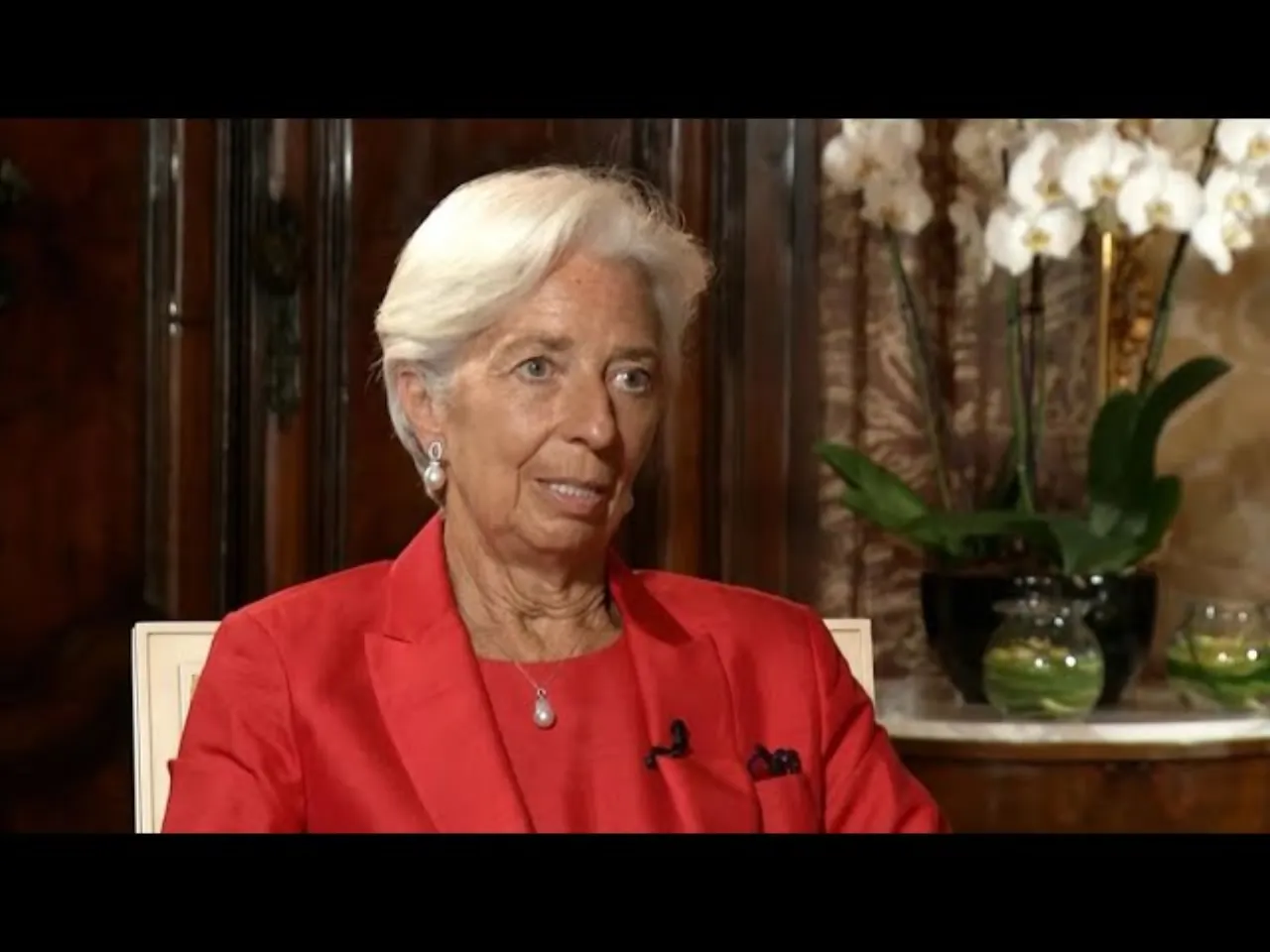
Lagarde noted that inflation in the eurozone came in at 3.3% in August, driven partly by high oil prices resulting from the ongoing conflict in the Middle East.
Lagarde also stated that inflation was expected to remain above target for an extended period due to the conflict in the Middle East, and that inflation had so far come in lower than anticipated, particularly for food, but would likely prove more persistent.
The ECB president urged EU institutions to agree on the legal framework for the digital euro as quickly as possible, highlighting the importance of digital currency in the modern economy.
Lagarde declined to rule out further rate rises but gave no clear signal on the next move, repeating that decisions would be taken meeting by meeting.
What this adds
Lagarde's comments reflect a cautious approach to managing inflation, balancing the need for higher rates with the unpredictability of global energy markets.
What's confirmed
- Remarks by ECB President Christine Lagarde later Thursday will be parsed by market analysts and investors for clues about whether more interest rate increases are coming.
What's still developing
- Fed Chair Kevin Warsh has said the bank may have “more work to do” to contain U.S. inflation of 3.7%.
- The European Central Bank raised interest rates Thursday to cool inflation that is being fed by high oil prices from the Iran war.
- Higher rates cool inflation by making it more expensive to borrow and buy things, from houses to new factories.
- The European Central Bank President said the theoretical benchmark carried little weight while the energy shock from the Iran war kept inflation above target.
- Lagarde told reporters the concept was highly theoretical and designed for a world without shocks.