
Home · Science · Sep 26 archive
Stanford Engineers Teach Spacecraft to 'Dream' Docking Trajectories
Developing
In Short: Aerospace engineers have long relied on hard-coded physics equations and human pilots to ensure successful docking of spacecraft at the International Space Station.
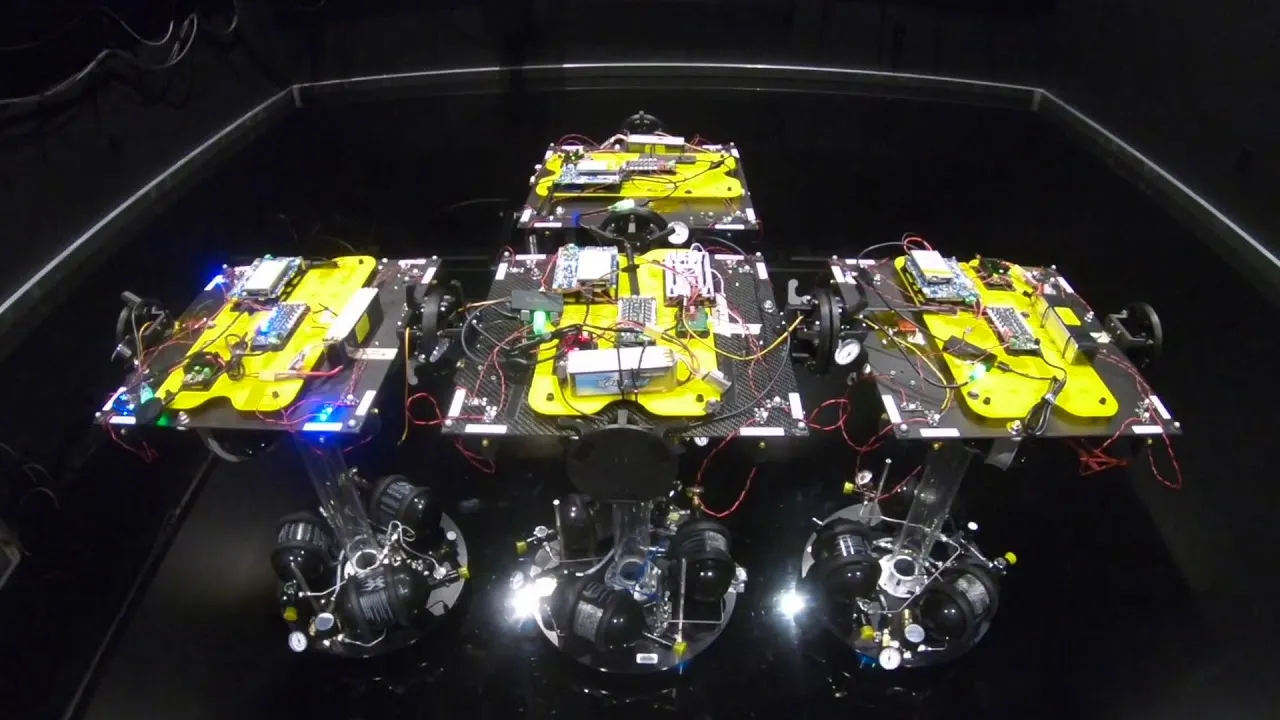
In a new paper available on arXiv, researchers at Stanford University propose an innovative approach: teaching an AI to perform a series of 'mental simulations' to guide docking maneuvers.
To achieve this, engineers are leveraging traditional computer vision techniques, which are typically robust and reliable.
However, the researchers face a significant challenge: the fragility of space environments, which can complicate the implementation of such advanced technologies.
The Stanford team's work could fundamentally change how future spacecraft interact with each other, potentially making docking procedures more autonomous and efficient.
What's still developing
- For decades, aerospace engineers have been docking successfully using hard coded physics equations and human pilots to correct them.
- Oh, and if you hit the lab, everyone onboard both your craft and the station dies, and the resultant debris field could both wipe out dozens of satellites and even people on the ground.
- However, they themselves face a huge hurdle in space - they’re very fragile.