
Home · Science · Sep 26 archive
Mars May Hide Carbonate Rocks Underground
Confirmed
In Short: Scientists studying Mars have found evidence suggesting that carbonate rocks, which are scarce on the planet's surface, might be buried underground.
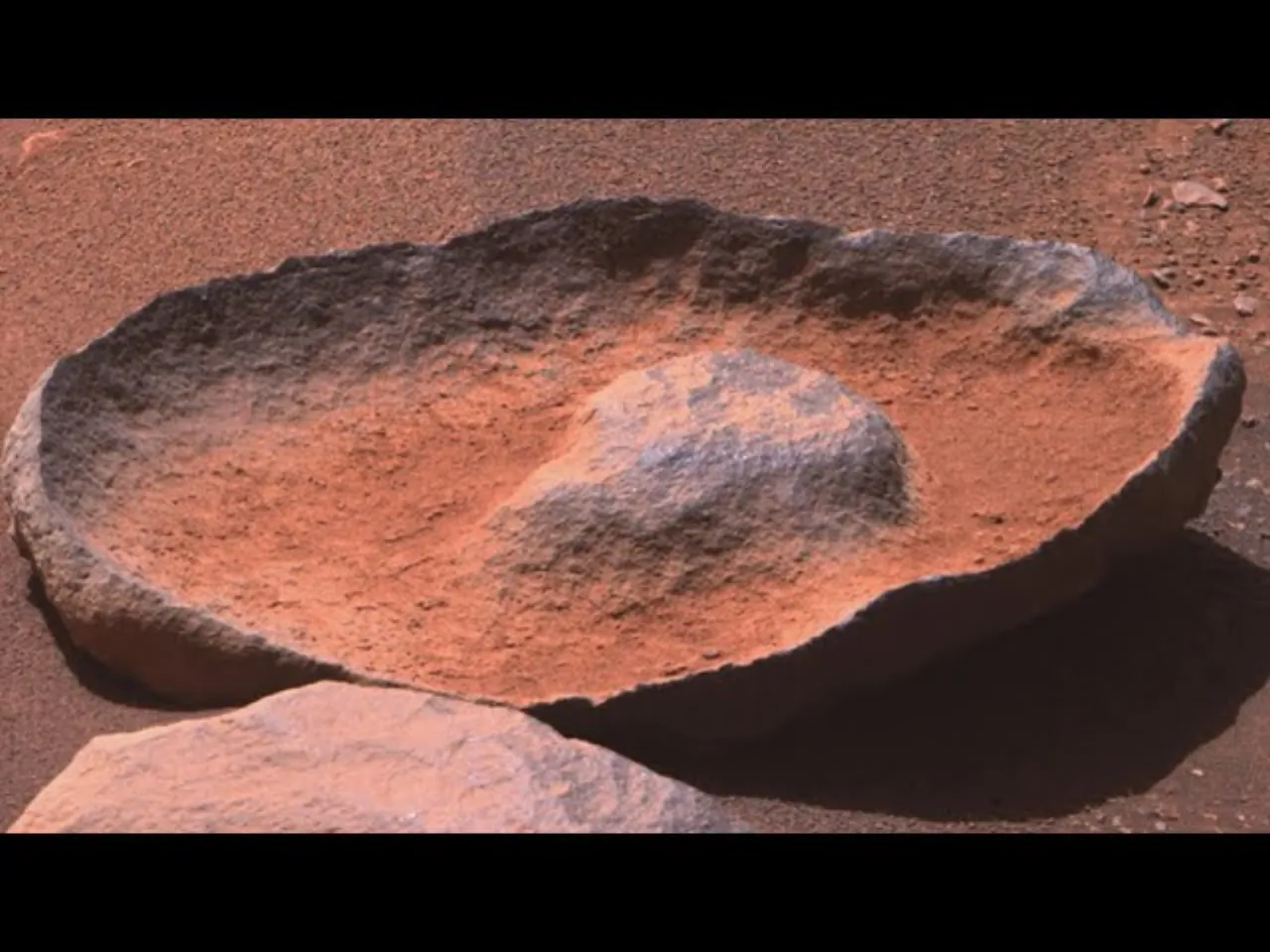
According to a study published in Universe Today, feldspar-rich rocks on Mars show signs of interaction with water and carbonates.
The research indicates that these rocks produce calcium/iron-rich carbonates under most conditions.
The study also found that groundwater dissolves these carbonates near the surface and reprecipitates them deeper underground.
This finding could explain why Mars has two distinct groups of carbonates: calcium- and iron-rich, and magnesium-rich rocks.
Meanwhile, a separate study involving Curtin University, published in Sflorg, found that shallow trenches on Earth's Nullarbor Plain are evidence of underground cave collapses.
Lead author Dr. Matej Lipar noted that these trenches can look like valleys or drainage channels but are actually formed by the collapse of deep underground caves.
This research on Earth could help scientists better understand similar features on Mars, potentially revealing more about the Red Planet's underground geology.
What's confirmed
- According to a study published in Universe Today, feldspar-rich rocks on Mars show signs of interaction with water and carbonates.
- The research indicates that these rocks produce calcium/iron-rich carbonates under most conditions.
- The study also found that groundwater dissolves these carbonates near the surface and reprecipitates them deeper underground.
- This finding could explain why Mars has two distinct groups of carbonates: calcium- and iron-rich, and magnesium-rich rocks.
- Meanwhile, a separate study involving Curtin University, published in Sflorg, found that shallow trenches on Earth's Nullarbor Plain are evidence of underground cave collapses.
- Lead author Dr. Matej Lipar noted that these trenches can look like valleys or drainage channels but are actually formed by the collapse of deep underground caves.
- This research on Earth could help scientists better understand similar features on Mars, potentially revealing more about the Red Planet's underground geology.
What's still developing
- And yet, orbiters and rovers have found only small amounts of carbonate rocks on its surface, far less than what scientists would expect from a planet that is believed to have once had abundant water flowing on its surface and a thick, carbon dioxide-rich atmosphere.
- Feldspar-rich rocks, however, have been increasingly detected on the planet's surface by orbiters and rover missions.
- Lead author Dr. Matej Lipar, who at the time of the research was an adjunct research fellow in Curtin’s School of Earth and Planetary Sciences, and is now at the Anton Melik Geographical Institute at the Research Centre of the Slovenian Academy of Sciences and Arts (ZRC SAZU), said the trenches were difficult to recognize as evidence of underground caves because their surface features were so subtle.
- Photo Credit: Dr Matej Lipar Scientific Frontline: Extended "At a Glance" Summary : Deep Cave Collapse Detection The Core Concept : Subtle, shallow surface trenches on the Nullarbor Plain in Australia are the visible evidence of massive, deep underground cave systems whose roofs have progressively collapsed over time.