
Home · Technology · Sep 26 archive
AI May Predict Heart Attack Risk Beyond Traditional Methods
Developing
In Short: A study suggests AI-derived myocardial radiomic phenotypes from cardiac CT angiography could improve long-term prediction of heart attacks.
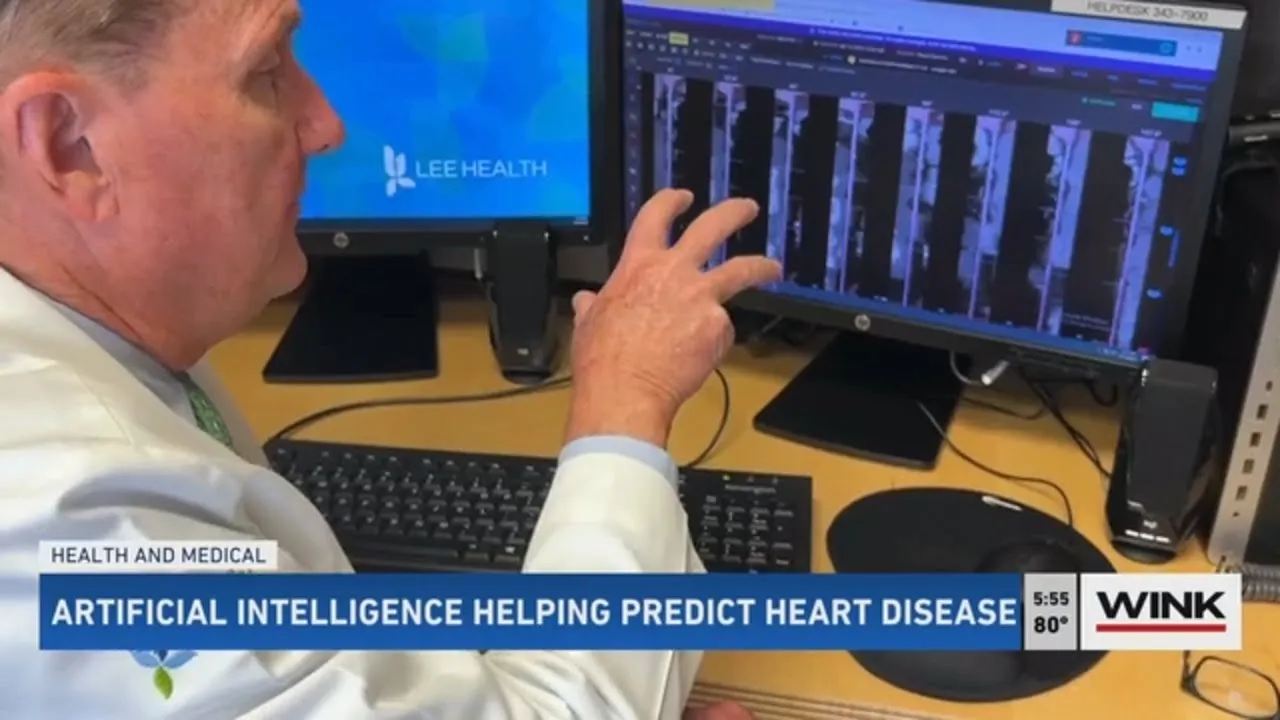
A post hoc analysis of the SCOT-HEART trial has shown that artificial intelligence (AI)-derived left ventricular myocardial radiomic phenotypes from cardiac CT angiography (CTA) can enhance the long-term prediction of fatal or non-fatal myocardial infarction (MI) beyond traditional cardiovascular risk factors and coronary artery assessments among patients with stable chest pain.
The study's authors noted that these cardiac CTA-derived myocardial radiomic phenotypes may serve as novel biomarkers for predicting MI risk, potentially refining cardiovascular risk stratification.
The research, however, faced limitations due to the relatively small number of MI events, the homogeneous Scottish cohort, and the limited number of participants without traditional risk factors.
These findings could lead to more precise risk assessments for heart attacks, potentially improving patient care and outcomes.
The study's implications for clinical practice and patient management are significant, as it suggests that AI could offer a more nuanced approach to predicting MI risk.
Further research is needed to validate these findings in larger, more diverse populations to ensure the reliability and applicability of these AI-derived phenotypes.
What this adds
The study's limitations include a small number of MI events, a homogeneous Scottish cohort, and a limited number of participants without traditional risk factors.
Background
The Conservative Party has proposed new restrictions on welfare spending, aiming to prevent long-term jobless benefit claimants from using their payments on alcohol, cigarettes, and gambling.
Among African American and Hispanic women, those living with HIV for 15 years or more are nearly four times as likely to experience depression, especially if they practice self-silencing.
What's still developing
- Nothing material beyond the confirmed record.