
Home · Health · Sep 25 archive
‘Tactical Athletes’ Require Different Kind of CVD Care
Confirmed
In Short: The American College of Cardiology and the American Heart Association have issued new cardiovascular guidance for clinicians caring for tactical athletes.
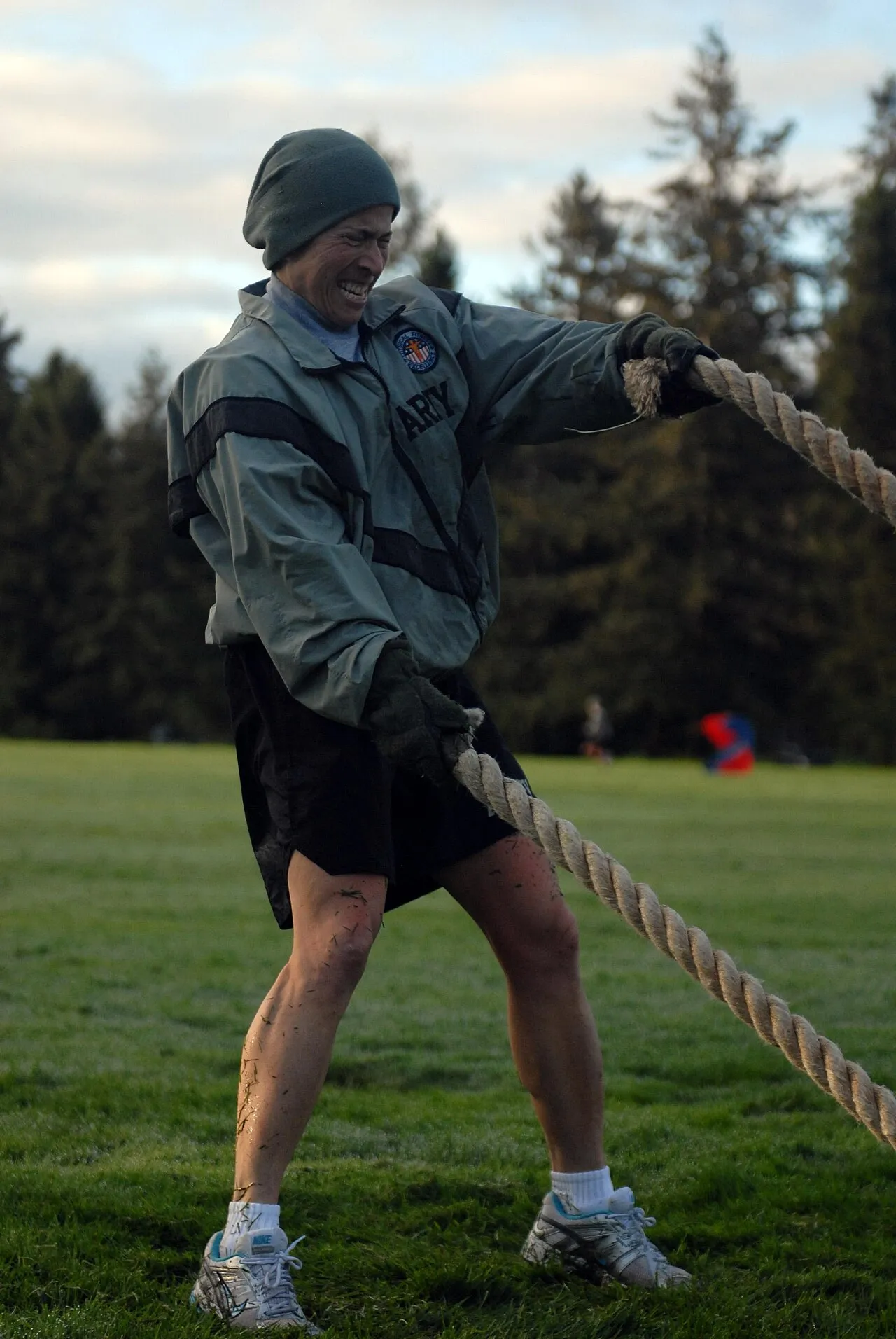
The American College of Cardiology and the American Heart Association have released new cardiovascular guidance for clinicians caring for tactical athletes, a category of professionals first recognized in the early 2000s.
Bradley Petek, MD, a cardiologist at OHSU in Portland, Oregon, and co-author of the scientific statement, noted, 'There are unique considerations one must account for when caring for tactical athletes.
Tactical athletes, including EMTs, firefighters, police officers, Marine pilots, Navy SEALs, Army engineers, and astronauts, face physically exerting, highly stressful work in extreme, uncertain, life-threatening conditions.
Jeffrey Hsu, MD, PhD, a cardiologist at UCLA Health, emphasized, 'One of the greatest challenges with tactical athletes is that you can’t anticipate every possible condition or situation.
The new guidelines highlight the need for a distinct clinical framework that adapts classical shared decision-making to the operational realities of tactical service, as the shift in risk tolerance necessitates a different approach.
While emergency action plans are critical for both competitive and tactical athletes, tactical athletes may be required to serve in locations with limited access to emergency care.
The leading cause of death on the job for these 'tactical athletes' is cardiovascular disease, with roughly 4 million Americans considered tactical athletes.
The guidance aims to provide clinicians with a better understanding of how to approach the complex decisions involved in evaluating and deciding on the fitness of these athletes.
Benjamin Levine, director of the Institute for Exercise and Environmental Medicine at Texas Health Presbyterian Dallas, told STAT, 'One of the unique aspects of the tactical demands is that often you don’t get to warm up. You don’t get to prepare for a few weeks.
Levine added, 'If I’m with a buddy in a fire and that buddy goes down, and now I’m alone in the burning building, that’s really different.
The new guidelines, published in JACC and Circulation, cover how to evaluate these athletes — those with cardiovascular disease or at risk for developing one — in light of their duties.
These clinical care considerations provide a good foundation to understand how to approach the complex decisions involved with making evaluations and decisions with this population.
What this adds
The guidance for tactical athletes differs from that for competitive athletes, as a shared decision-making model is not recommended for tactical athletes.
The new guidelines aim to close the gap in clinical guidance for tactical athletes, which has lagged behind that for competitive athletes.
What's confirmed
- The American College of Cardiology and the American Heart Association have released new cardiovascular guidance for clinicians caring for tactical athletes, a category of professionals first recognized in the early 2000s.
- Bradley Petek, MD, a cardiologist at OHSU in Portland, Oregon, and co-author of the scientific statement, noted, 'There are unique considerations one must account for when caring for tactical athletes.
- Tactical athletes, including EMTs, firefighters, police officers, Marine pilots, Navy SEALs, Army engineers, and astronauts, face physically exerting, highly stressful work in extreme, uncertain, life-threatening conditions.
- Jeffrey Hsu, MD, PhD, a cardiologist at UCLA Health, emphasized, 'One of the greatest challenges with tactical athletes is that you can’t anticipate every possible condition or situation.
- The new guidelines highlight the need for a distinct clinical framework that adapts classical shared decision-making to the operational realities of tactical service, as the shift in risk tolerance necessitates a different approach.
- While emergency action plans are critical for both competitive and tactical athletes, tactical athletes may be required to serve in locations with limited access to emergency care.
- The leading cause of death on the job for these 'tactical athletes' is cardiovascular disease, with roughly 4 million Americans considered tactical athletes.
- The guidance aims to provide clinicians with a better understanding of how to approach the complex decisions involved in evaluating and deciding on the fitness of these athletes.
- Benjamin Levine, director of the Institute for Exercise and Environmental Medicine at Texas Health Presbyterian Dallas, told STAT, 'One of the unique aspects of the tactical demands is that often you don’t get to warm up. You don’t get to prepare for a few weeks.
- Levine added, 'If I’m with a buddy in a fire and that buddy goes down, and now I’m alone in the burning building, that’s really different.
- The new guidelines, published in JACC and Circulation, cover how to evaluate these athletes — those with cardiovascular disease or at risk for developing one — in light of their duties.
- These clinical care considerations provide a good foundation to understand how to approach the complex decisions involved with making evaluations and decisions with this population.
What's still developing
- Many competitive athletes used to be prohibited from sports if they had cardiovascular issues, but recent research suggests athletes may be able to safely compete after discussing the risks with their clinicians and participating in a shared decision-making model about competition.
- “Our main concern with athletes is the risk of sudden cardiac arrest and death with high intensity activity, whether that’s in competition or in training, so clinicians need to be familiar with these risks while balancing them with an acute understanding of the role that sport, exercise, and training plays in athletes’ lives,” said Hsu.
- “Ensuring there is a well-designed, well-rehearsed emergency action plan for cardiac emergencies is one of the most important considerations for competitive athletes,” said Hsu.
- A shared decision-making model may include physicians, athletes, family members, coaches, and teammates.
- Tactical athletes may be the most important professionals you’ve never heard of.
- Having worked on the competitive sports guidance and its updates since the 1990s, he saw a hole when it came to highly elite athletes working not in the context of competition, but in the context of service.