
Home · Politics · Sep 25 archive
Supreme Court Fast-Tracks Trump Cases Amid Criticism
Confirmed
In Short: Supreme Court Justice Ketanji Brown Jackson criticized the court's use of emergency dockets to make quick decisions, especially in cases that could harm the public.
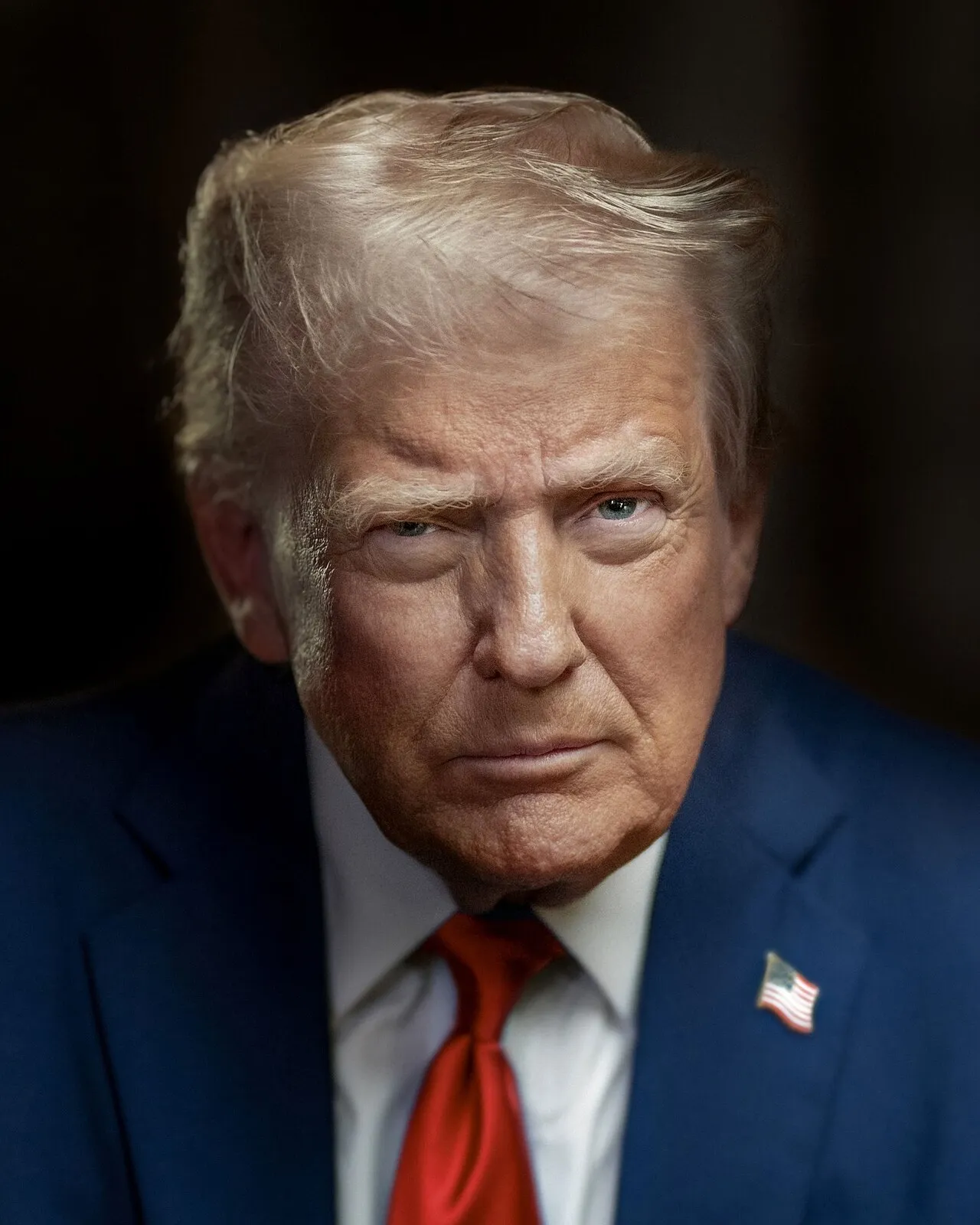
Supreme Court Justice Ketanji Brown Jackson criticized the court's use of emergency dockets to make quick decisions, especially in cases that could harm the public, during a speech at the University of the District of Columbia’s law school.
Jackson argued that parties should prove impending harm in cases that cannot wait for full adjudication by lower courts, rather than the Supreme Court granting stay applications based on potential lower court mistakes.
Since the start of President Donald Trump's second term, his administration has submitted 40 emergency applications to the Supreme Court, winning about 80% of its appeals on the emergency docket.
The Supreme Court’s majority has often split along ideological lines and offered little reason for its emergency decisions, according to Jackson.
The Trump administration has used emergency dockets to ask the Supreme Court to quickly grant temporary relief after a lower court blocks its policies while the legality is argued further.
The Supreme Court has greenlit Trump's mass firings of career employees and high-profile terminations of Democratic appointees through the emergency docket.
The Supreme Court has also allowed the Trump administration to use the Department of Homeland Security’s Systematic Alien Verification for Entitlements database to identify noncitizens on state voter rolls.
The court’s order puts on hold a federal judge’s June ruling that had deemed the Republican administration’s recently revamped version of SAVE illegal.
The Supreme Court’s stay is temporary, and the U.S. Court of Appeals for the D.C. Circuit will continue to review the case.
Jackson warned her colleagues that the Supreme Court risks damaging its reputation by using emergency dockets to make decisions without full hearings.
The Trump administration has asked the Supreme Court to clear the way for it to use the SAVE database to identify noncitizens on state voter rolls.
The dispute is now fully briefed, and the court’s decision could come at any time.
What this adds
The Trump administration has used emergency dockets to ask the Supreme Court to quickly grant temporary relief after a lower court blocks its policies while the legality is argued further.
The Supreme Court’s order allows the federal government to share information in its possession concerning people’s apparent citizenship status to help election officials register eligible voters while preventing the improper addition of non-citizens to the registration rolls.
The voting rights advocates, led by the League of Women Voters, had urged the court to stand aside.
The court, in an unsigned opinion, said the law supported use of the data.
Background
The appeals court in 2025 allowed Trump to restrict AP journalists from limited presidential spaces, including the Oval Office, while litigation continued, but distinguished those restricted settings from press areas generally open to credentialed journalists.
President Trump criticized the Supreme Court for its recent decision against his mail-in voting order, alleging bias among justices he appointed.
What's confirmed
- Supreme Court Justice Ketanji Brown Jackson criticized the court's use of emergency dockets to make quick decisions, especially in cases that could harm the public, during a speech at the University of the District of Columbia’s law school.
- Jackson argued that parties should prove impending harm in cases that cannot wait for full adjudication by lower courts, rather than the Supreme Court granting stay applications based on potential lower court mistakes.
- Since the start of President Donald Trump's second term, his administration has submitted 40 emergency applications to the Supreme Court, winning about 80% of its appeals on the emergency docket.
- The Supreme Court’s majority has often split along ideological lines and offered little reason for its emergency decisions, according to Jackson.
- The Trump administration has used emergency dockets to ask the Supreme Court to quickly grant temporary relief after a lower court blocks its policies while the legality is argued further.
- The Supreme Court has greenlit Trump's mass firings of career employees and high-profile terminations of Democratic appointees through the emergency docket.
- The Supreme Court has also allowed the Trump administration to use the Department of Homeland Security’s Systematic Alien Verification for Entitlements database to identify noncitizens on state voter rolls.
- The court’s order puts on hold a federal judge’s June ruling that had deemed the Republican administration’s recently revamped version of SAVE illegal.
- The Supreme Court’s stay is temporary, and the U.S. Court of Appeals for the D.C. Circuit will continue to review the case.
- Jackson warned her colleagues that the Supreme Court risks damaging its reputation by using emergency dockets to make decisions without full hearings.
- The Trump administration has asked the Supreme Court to clear the way for it to use the SAVE database to identify noncitizens on state voter rolls.
- The dispute is now fully briefed, and the court’s decision could come at any time.
What's still developing
- Stakes rise as Attorney General Todd Blanche defends President Donald Trump's right to criticize the Supreme Court.
- He emphasizes that disagreeing with court decisions is a natural part of how American democracy works.
- The process can take a couple of days, weeks or months, and is viewed as a much speedier, although temporary, way to secure court relief than when the court fully considers the merits of a case, which can include a long briefing schedule and oral arguments.
- Members of the Supreme Court pose for a group photo at the Supreme Court on Oct.
- A federal appeals court on Thursday ordered the Department of Housing and Urban Development to release federal funding that has already been allocated to homeless service organizations in Los Angeles but was not distributed.
- The court order was in response to the Trump administration's attempt to oversee how homeless service organizations in Los Angeles can seek millions of dollars in federal funding.
- The U.S. 9th Circuit Court of Appeals on Thursday largely upheld a district court ruling in a 2-1 split, which restored LAHSA as the applicant for the organizations.
- The court determined that HUD “chose to suspend LAHSA at a time when it would leave the Los Angeles region particularly vulnerable” with ill effects on “vulnerable populations, critical programs and ongoing services." “It is likely that its plan is unworkable and, at this late stage, extremely difficult if not virtually impossible to implement,” the decision added.
- The Supreme Court continues to make consequential rulings in the shadows.
- Experts told me this was likely the first time this has happened in the court’s modern history.
- These decisions are continuing to come down even after the court began its summer recess.
- For example: Though experts told me rulings on the shadow docket have generally enabled Trump, he has not won them all.