
Home · Politics · Sep 25 archive
Supreme Court Criticized for Fast-Tracking Trump Cases
Confirmed
In Short: Justice Ketanji Brown Jackson criticized the Supreme Court's emergency docket process during a speech at the University of the District of Columbia’s law school, saying parties should prove impending harm in cases that cannot wait for lower court adjudication.
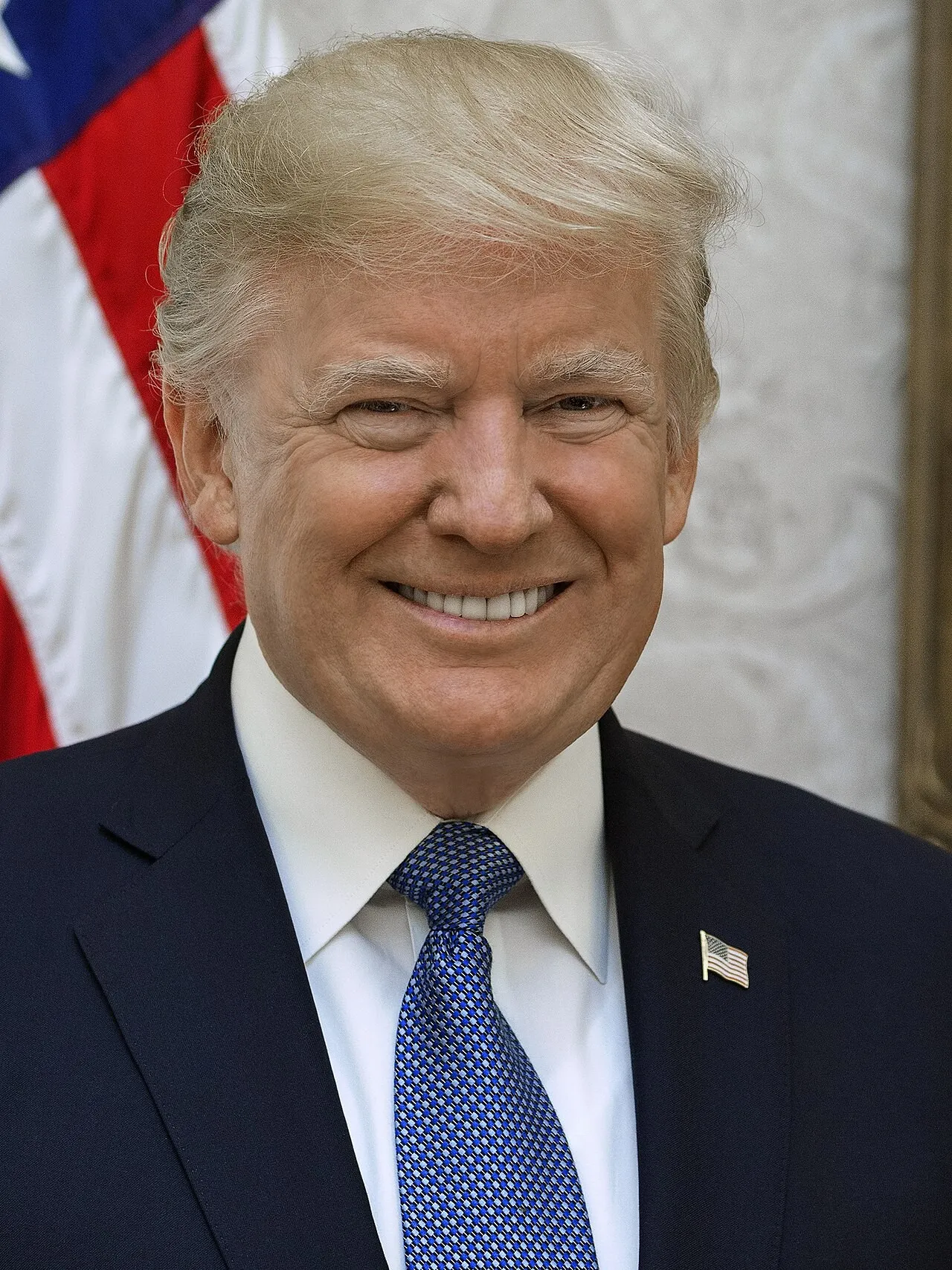
Since the start of President Donald Trump's second term, his administration has submitted 40 emergency applications to the Supreme Court, winning about 80% of its appeals on the emergency docket.
The Supreme Court’s majority has often split along ideological lines, granting emergency applications based on potential lower court mistakes rather than proven harm.
Jackson questioned why one party should receive a fast pass to the Supreme Court when others wait patiently for the court’s attention.
The process can take a couple of days, weeks, or months, and is viewed as a much speedier, although temporary, way to secure court relief.
In a recent 5-4 vote, the Supreme Court granted an emergency appeal from Trump and his lawyers, setting aside a judge’s order that would have stopped the construction of a new White House ballroom.
Roberts Jr. dissented, along with the court’s three liberals, questioning the standing of the case.
Kavanaugh and Amy Coney Barrett, joined by conservative Justices Clarence Thomas and Samuel A. Alito, said Trump and his appointees had stressed the new ballroom was needed for national security.
The conservative majority also said the lower courts should not have interfered.
The emergency docket has greenlit Trump's mass firings of career employees and high-profile terminations of Democratic appointees.
What's confirmed
- Since the start of President Donald Trump's second term, his administration has submitted 40 emergency applications to the Supreme Court, winning about 80% of its appeals on the emergency docket.
- The Supreme Court’s majority has often split along ideological lines, granting emergency applications based on potential lower court mistakes rather than proven harm.
- Jackson questioned why one party should receive a fast pass to the Supreme Court when others wait patiently for the court’s attention.
- The process can take a couple of days, weeks, or months, and is viewed as a much speedier, although temporary, way to secure court relief.
- In a recent 5-4 vote, the Supreme Court granted an emergency appeal from Trump and his lawyers, setting aside a judge’s order that would have stopped the construction of a new White House ballroom.
- Roberts Jr. dissented, along with the court’s three liberals, questioning the standing of the case.
- Kavanaugh and Amy Coney Barrett, joined by conservative Justices Clarence Thomas and Samuel A. Alito, said Trump and his appointees had stressed the new ballroom was needed for national security.
- The conservative majority also said the lower courts should not have interfered.
- The emergency docket has greenlit Trump's mass firings of career employees and high-profile terminations of Democratic appointees.
What's still developing
- Stakes rise as Attorney General Todd Blanche defends President Donald Trump's right to criticize the Supreme Court.
- He emphasizes that disagreeing with court decisions is a natural part of how American democracy works.
- "If we’re not careful, the emergency docket can and will become an end run around the standard review process, a special avenue that certain privileged litigants can use selectively," she added.
- Members of the Supreme Court pose for a group photo at the Supreme Court on Oct.
- Seated from left: Associate Justice Sonia Sotomayor, Associate Justice Clarence Thomas, Chief Justice of the United States John G.
- Standing behind from left: Associate Justice Amy Coney Barrett, Associate Justice Neil M.
- “This court has not found standing in circumstances like these before. To the contrary, we have repeatedly held that mere offense, disagreement, or distaste does not qualify as a concrete and particularized injury,” the unsigned order said.
- Set us as preferred WASHINGTON — A divided Supreme Court has cleared the way for President Trump to finish building his new White House ballroom with mostly private money and without approval from Congress.