
Home · Science · Sep 25 archive
Study Finds Six Servings of Whole Grains Daily May Lower Heart Risks
Confirmed
In Short: A new meta-analysis published in the European Heart Journal suggests eating four to six servings of whole grains daily can significantly reduce cardiovascular risk factors.
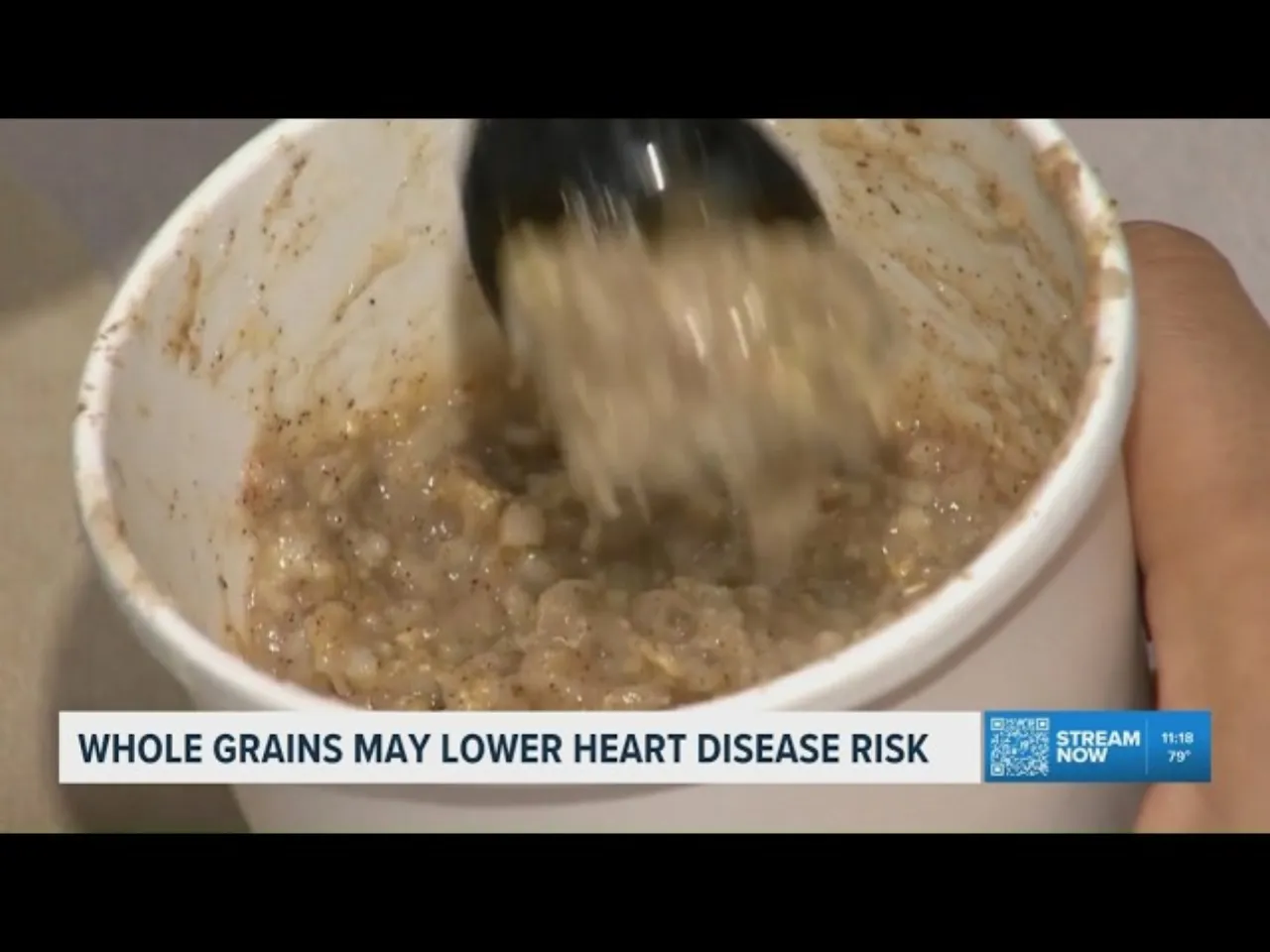
A recent meta-analysis published in the European Heart Journal has found that consuming four to six servings of whole grains daily may significantly lower the risk of heart disease by reducing key cardiovascular risk factors.
The study, which analyzed 87 clinical trials involving over 6,500 participants, revealed that diets higher in whole grains were associated with meaningful reductions in body weight, cholesterol, blood pressure, and blood sugar levels.
According to Dr. Jennifer Wong, board-certified cardiologist and medical director of Non-Invasive Cardiology at MemorialCare Heart and Vascular Institute, replacing refined grain foods with whole grain equivalents can yield significant health benefits.
Dr. Wong noted, however, that while the study found measurable improvements in cardiovascular risk factors, it did not measure the actual number of strokes, heart attacks, or cardiovascular disease-related deaths.
Melissa Mroz-Planells, D.C.N., R.D.N., spokesperson for the Academy of Nutrition and Dietetics, emphasized that whole grains provide more than just fiber; they offer a combination of fiber, vitamins, minerals, and other beneficial compounds that support cardiovascular health.
The study's findings add to the growing body of evidence suggesting that whole grains can help manage type 2 diabetes, hypertension, and coronary artery disease over longer periods.
Lead author Helda Tutunchi from Tabriz University of Medical Sciences in Iran noted that while higher whole grain intake has long been linked to better heart health, clinical trials have produced mixed findings.
The research specifically investigated how the dose of whole grains impacted cardiovascular risk factors in the short term, finding that benefits generally emerged at intakes of 30 to 40 grams a day, or around two servings.
However, the greatest reductions in most cardiovascular risk factors occurred at around 60 to 100 grams a day of whole grains, or roughly four to six servings.
The United States Dietary Guidelines currently advise that Americans eat, on average, two to four servings of whole grains a day.
These findings support public health strategies that encourage people to increase their whole-grain intake and move toward the higher end of current targets.
What this adds
The study did not measure the direct impact on heart attacks, strokes, or cardiovascular disease-related deaths, only the risk factors.
The benefits of whole grains extend beyond heart health, including improved blood sugar control and reduced inflammation.
The current dietary guidelines may need to be reconsidered based on these findings.
What's confirmed
- Meet the experts: Melissa Mroz-Planells, D.C.N., R.D.N., spokesperson for the Academy of Nutrition and Dietetics ; Jennifer Wong, M.D., board-certified cardiologist and medical director of Non-Invasive Cardiology at MemorialCare Heart and Vascular Institute at Orange Coast Medical Center in Fountain Valley, CA The takeaway comes from a recent meta-analysis published in the European Heart Journal, which aimed to find a “sweet spot” for the whole grain intake level that comes with the most heart health benefits.
What's still developing
- The benefits of swapping simple processed carbs for hearty whole grains are plentiful, from upping your fiber intake to keeping you feeling fuller for longer.
- That adds yet another important benefit to the already impressive portfolio whole grains boast.
- It also speaks to a broader pattern in how we should be thinking about our diet when heart health is a concern.
- Whole grains are an essential part of a healthy diet, rich in fiber, carbohydrates, and nutrients.