
Home · Science · Sep 25 archive
Satellite data expose an escalating 'boom-and-bust' dynamic in greening drylands
Developing
In Short: Satellite records show that rising atmospheric carbon dioxide levels have stimulated plant growth in drylands during wet years, leading to a persistent 'greening' trend over time.
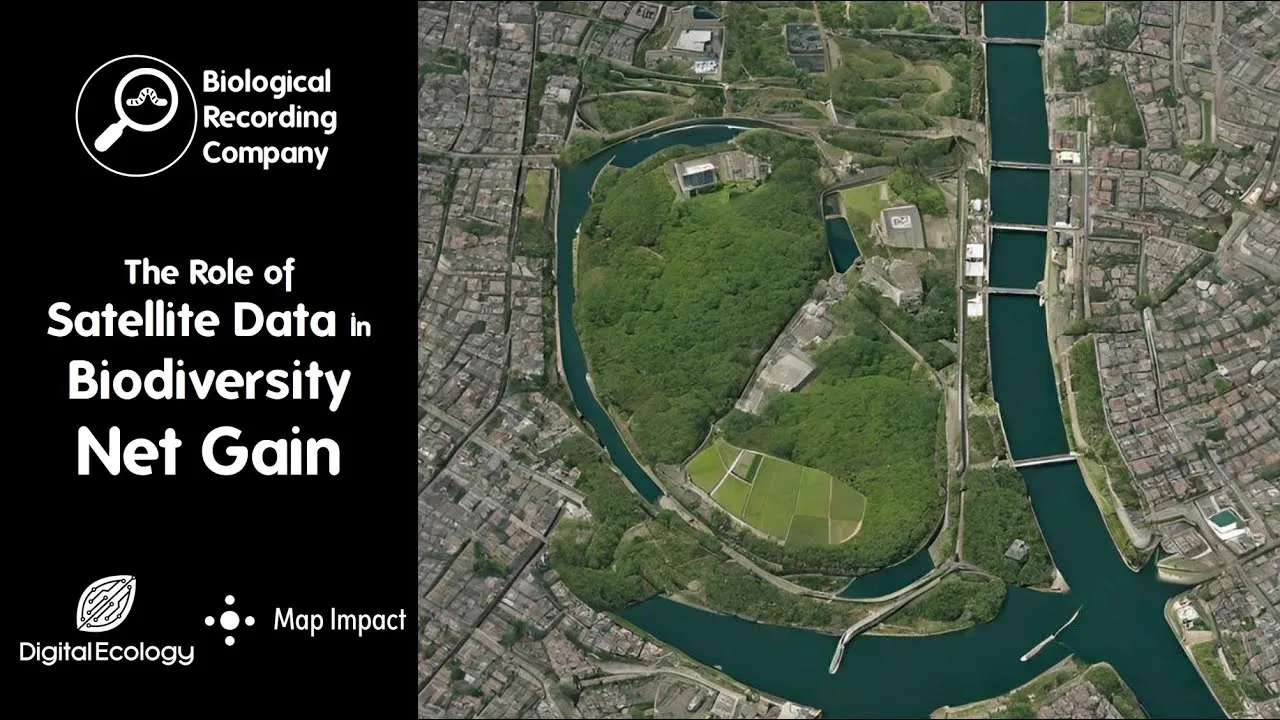
A study led by Wen Zhang, a doctoral student at the University of Arizona, reveals that 80% of global drylands are becoming increasingly unstable, according to satellite data spanning four decades.
However, this greening is not consistent, with vegetation productivity flickering on and off, indicating stress and a loss of resilience in these ecosystems.
Zhang and his team suggest that this boom-and-bust dynamic might be due to the interaction between increased carbon dioxide and rainfall variability, though more research is needed to confirm the exact mechanisms.
The current models used to predict changes in dryland ecosystems assume stability and predictable plant responses to environmental changes, which may not accurately reflect the observed instability.
What's still developing
- "If you look at lots of different ecological systems, their productivity tends to flicker on and off right before a big change happened. It's a sign that they're under stress and losing their resilience. It's possible that's what's happening with drylands," he said.
- Satellite records spanning over four decades show that rising levels of atmospheric carbon dioxide has stimulated dryland plant growth during wet years, causing a persistent "greening" trend over time.
- Led by Wen Zhang, a doctoral student in the School of Natural Resources and the Environment, the research team analyzed 40 years of satellite data to track changes in vegetation leaf area index – a measure closely linked to vegetation activity and productivity.