
Home · Faith · Sep 25 archive
Pope Leo XIV Warns of AI's Threat to Human Culture at UNESCO
Confirmed
In Short: Pope Leo XIV warned during a speech at the United Nations Educational, Scientific and Cultural Organization (UNESCO) headquarters in Paris that artificial intelligence (AI) poses a threat to human culture.
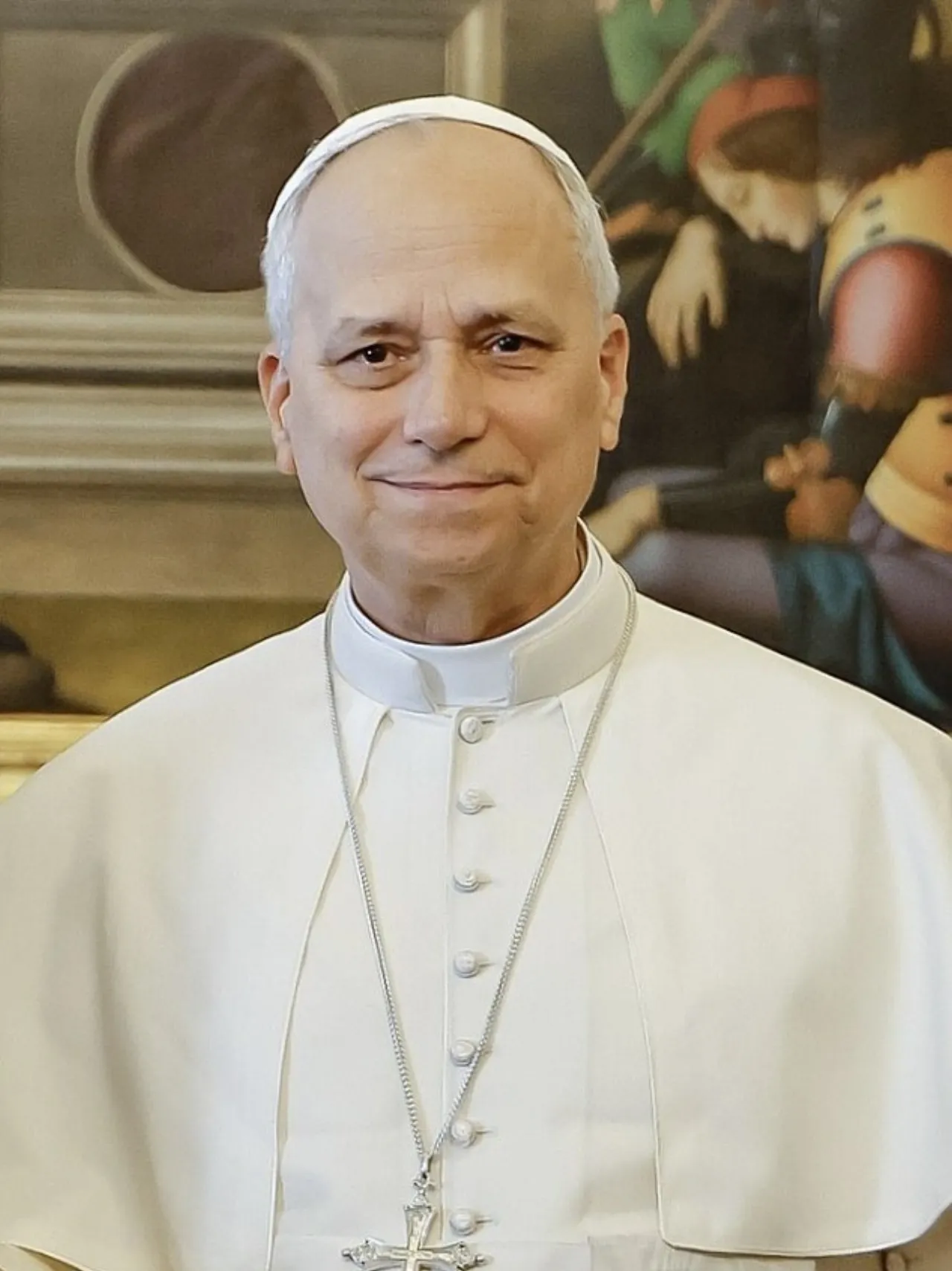
Pope Leo XIV warned during a speech at the United Nations Educational, Scientific and Cultural Organization (UNESCO) headquarters in Paris that artificial intelligence (AI) poses a threat to human culture.
Pope Leo XIV, the first American pope, delivered the speech on Friday, September 25, during a visit to UNESCO, where he also addressed issues including education and the preservation of cultural heritage.
Before his address, the pope was given a tour of the UNESCO headquarters, including the library housing the diplomatic archives, and was presented with the Book of Peace Memorandum from 1949.
Pope Leo XIV highlighted the importance of mutual respect and the protection of every human life, noting that the Universal Declaration of Human Rights was first proclaimed in Paris.
Pope Leo XIV’s visit to France includes stops in Paris, Saint-Denis, Lourdes, and Metz, with a packed program that includes meetings with religious leaders and visits to cultural sites.
In his speech, Pope Leo XIV quoted from previous pontiffs, including Pope St. John Paul II, and emphasized the role of culture in a truly human life.
Pope Leo XIV also renewed prayers for those affected by the September 11, 2001, terrorist attacks, marking the 25th anniversary of the tragic event.
The pope’s visit to UNESCO underscores the organization’s mission to promote peace, sustainable development, and human rights, while addressing contemporary challenges such as the impact of AI on society.
What this adds
The speech at UNESCO is part of a broader tour that includes visits to significant religious and cultural sites in France.
What's confirmed
- Pope Leo XIV warned during a speech at the United Nations Educational, Scientific and Cultural Organization (UNESCO) headquarters in Paris that artificial intelligence (AI) poses a threat to human culture.
- Pope Leo XIV, the first American pope, delivered the speech on Friday, September 25, during a visit to UNESCO, where he also addressed issues including education and the preservation of cultural heritage.
- Before his address, the pope was given a tour of the UNESCO headquarters, including the library housing the diplomatic archives, and was presented with the Book of Peace Memorandum from 1949.
- Pope Leo XIV highlighted the importance of mutual respect and the protection of every human life, noting that the Universal Declaration of Human Rights was first proclaimed in Paris.
- Pope Leo XIV’s visit to France includes stops in Paris, Saint-Denis, Lourdes, and Metz, with a packed program that includes meetings with religious leaders and visits to cultural sites.
- In his speech, Pope Leo XIV quoted from previous pontiffs, including Pope St. John Paul II, and emphasized the role of culture in a truly human life.
- Pope Leo XIV also renewed prayers for those affected by the September 11, 2001, terrorist attacks, marking the 25th anniversary of the tragic event.
- The pope’s visit to UNESCO underscores the organization’s mission to promote peace, sustainable development, and human rights, while addressing contemporary challenges such as the impact of AI on society.
What's still developing
- The text of his speech is rich in ideas, and cites Paul VI, John Paul II, Benedict XVI, and Francis, as well as Vatican II and UNESCO’s own constitution.
- Here are some key ideas and quotes from this dense and powerful text.
- Education is one of the three main areas in which UNESCO works.
- In the afternoon, the Pope will celebrate Vespers with bishops, priests, deacons, consecrated men and women, and seminarians at Notre-Dame Cathedral in Paris.
- On Saturday morning, Pope Leo will visit the Maison Bakhita Centre for Social Support and Integration before meeting members of the Provincial Synodal Assembly, catechumens and newly baptized Catholics at the Institut Catholique de Paris.
- Later that afternoon, the Pope will fly from Paris to Lourdes, arriving in the evening.
- Pope Leo will spend Sunday at the Shrine of Our Lady of Lourdes, one of the world’s most prominent Catholic pilgrimage destinations.
- Leo said in a speech delivered half in French and half in English.
- He was also given a copy of the Book of Peace Memorandum, an archival document submitted to the 4th session of the UNESCO General Conference in 1949 to support its mission to prevent global conflicts after World War II.
- Pope Leo recalled the witness of martyrdom of Catholics who gave their lives for the faith in recent years in Iraq, Syria, and other parts of the Middle East scarred by violence.
- Peter’s Square, the Chicago-born pope made his first public comments commemorating the occasion following his traditional Sunday noon blessing.
- On Sunday, Vatican News republished extracts of his initial homily as superior, preached on 21 September 2001, in which the future American pope considered the impact of the attacks.