
Home · Health · Sep 25 archive
Big Tobacco's Campaign Delays FDA's Menthol Cigarette Ban
Confirmed
In Short: The agency's response to the public comments will mostly be to the handful that are substantive, but the tactic seems to have worked in delaying the ban.
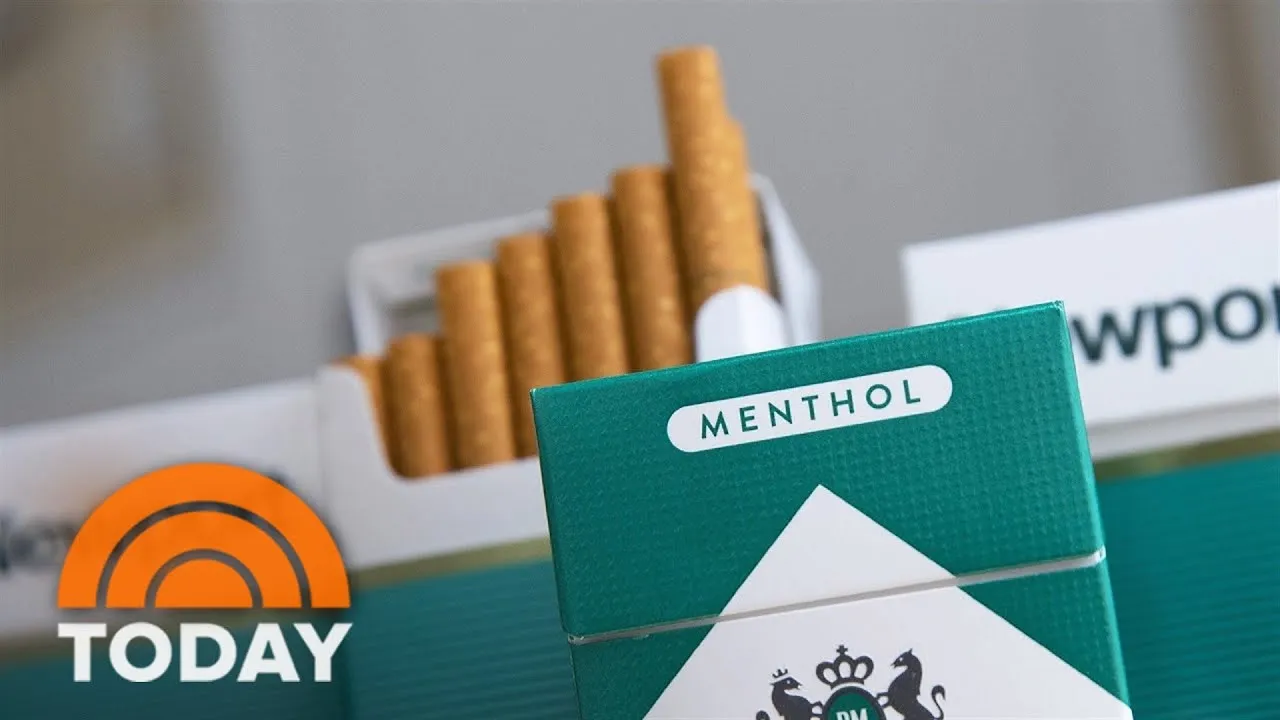
The FDA had asked for public comments on the proposed ban, which was met with an avalanche of 175,000 messages over three months.
Steven Balla, co-director of the Regulatory Studies Center at George Washington University, noted that such campaigns usually have little effect on rulemaking because agencies typically consider the substance of comments rather than the volume.
However, Xavier Becerra, then-secretary of the Department of Health and Human Services, said the rule had garnered historic attention and the public comment period had yielded an immense amount of feedback.
The Biden administration indefinitely postponed the ban in April 2024, citing the vast public response, which the Rutgers study concluded were nearly all form letters.
Between 1980 and 2018, menthols were responsible for 157,000 smoking-related deaths among Black Americans, according to research by the University of Michigan.
Black smokers tend to start later in life and consume fewer cigarettes each day than their white counterparts, but they fall ill and die at higher rates, according to the Centers for Disease Control and Prevention.
The tobacco industry has used similar tactics since at least the 1980s, when it bombarded a federal agency with letters opposing airline smoking restrictions.
The FDA missed its deadline to issue the rule in August 2024 and set a new deadline of March 2025.
The agency's response to the public comments will mostly be to the handful that are substantive, but the tactic seems to have worked in delaying the ban.
Newport and Marlboro Menthol are the two largest menthol brands in the U.S., according to Tobacco Insider, an industry advisory firm.
What this adds
The FDA did not respond to requests for comment for this article.
The examination of public comments revealed that many organizations that received funding from the tobacco industry also opposed the ban, citing concerns about illicit sales and biased policing.
What's confirmed
- Nearly half of the letters had the same language as campaigns run by tobacco giants Altria Group Inc. or Reynolds American, researchers found.
- Such campaigns usually have little effect on rulemaking because agencies typically consider the substance of comments rather than the volume, said Steven Balla, co-director of the Regulatory Studies Center at George Washington University.
- “You can imagine a case where there are a million ‘I hate this rule’ comments,” Balla said.
- Among them were law enforcement and civil rights organizations that had received money from the tobacco industry and opposed the ban over concerns it would lead to illicit sales and biased policing. (Researchers have not found any such outcome in Canada or the European Union after governments there banned menthols.) The March 2024 deadline passed without action.
- That April, the Biden administration indefinitely postponed the ban, citing the vast public response — one that the Rutgers study concluded were nearly all form letters.
- “This rule has garnered historic attention and the public comment period has yielded an immense amount of feedback,” said Xavier Becerra, secretary of the Department of Health and Human Services at the time.
- Though Black smokers tend to start later in life and consume fewer cigarettes each day than their white counterparts, they fall ill and die at higher rates, according to the Centers for Disease Control and Prevention.
- Between 1980 and 2018, menthols were responsible for 157,000 smoking-related deaths among Black Americans, according to research by the University of Michigan.
- Tens of thousands of the letters were generated by public relations campaigns by Reynolds American, maker of Newport, and Altria, maker of Marlboro Menthol, researchers found.
- That’s a lesson from the tobacco industry’s battle with the Biden-era Food and Drug Administration over its proposed ban on menthol cigarettes.
- After the FDA drafted language to outlaw the manufacture of the mint-flavored cigarettes in 2022, it asked for public comments — and was hit with an avalanche of 175,000 messages over three months.
- The tobacco industry has done it since at least the 1980s, when it bombarded a federal agency with letters opposing airline smoking restrictions.
What's still developing
- Nearly one in 10 cigarettes on the European Union (EU) market were produced illegally or smuggled in 2023, and Europe is losing an estimated €13 billion in public revenue annually to the illicit tobacco trade.
- Fragmented enforcement and uncoordinated policies fail to stem the illegal tobacco trade in Europe, a new report by the EU Court of Auditors finds.
- The regulatory and data vacuum directly undermines the WHO Framework Convention on Tobacco Control (FCTC) Protocol to Eliminate Illicit Trade in Tobacco Products.
- This legally binding global treaty is designed to protect public health by securing supply chains against illegal tobacco, mandating strict controls and independent tracking systems.
- Furthermore, enforcement is deeply fractured because member states apply vastly different legal sanctions and investigative powers to combat illegal tobacco.
- In the letter to Trump released ahead of his meeting with Xi, Budd argued that Beijing has the ability to stop the trade because China tightly regulates its domestic e-cigarette industry and prohibits manufacturers from exporting vaping products to countries where they are illegal.
- “China has the power to shut this trade down,” Budd wrote, urging Trump to press Xi to direct China’s State Tobacco Monopoly Administration to enforce its own export rules, halt the manufacture and export of illicit vaping products, and cooperate with U.S. law enforcement to stop the flow of unauthorized vapes at its source.
- A retail-scanner analysis of December 2025 sales found that nearly 70% of e-cigarette spending went toward products that had not received FDA authorization, while 97.6% of disposable vape sales were unauthorized.
- Chinese e-cigarette exports to the U.S. exceeded $4 billion in 2025, according to Chinese customs data.
- The letter comes as the Trump administration has stepped up enforcement against unauthorized e-cigarettes, many of which are manufactured in China.
- The Food and Drug Administration currently lists 48 e-cigarettes that are authorized for legal sale in the U.S.
- China exported more than $10.5 billion worth of e-cigarettes and related electronic atomizing devices worldwide that year, with the U.S.