
Home · Technology · Sep 24 archive
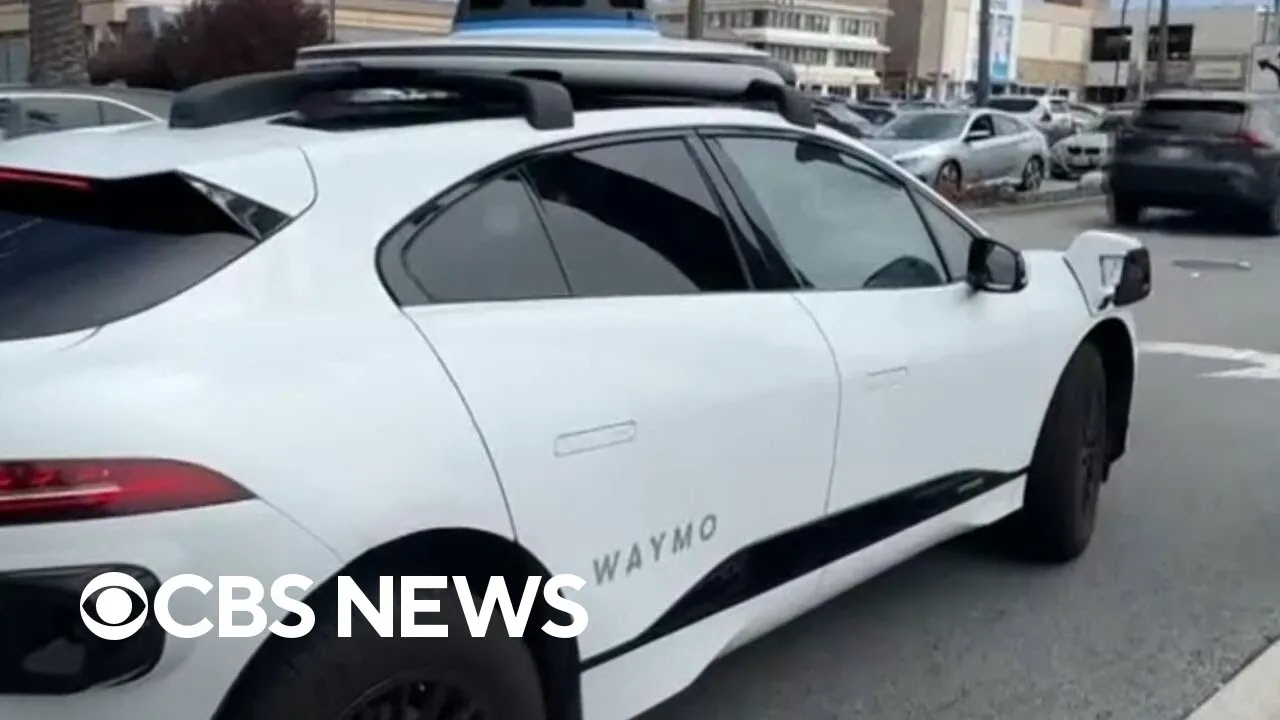
Waymo Reports Driverless Cars Are Safer Than Human Drivers
Confirmed
In Short: Tesla published an 8.2 billion mile Full Self-Driving comparison in February, and no automaker had taken its license offer. Waymo now says its cars are safer than human drivers.
Elon Musk has offered for years to license Tesla Full Self-Driving to other automakers. On September 22, 2026 he agreed that none have accepted. In November 2025 he said legacy automakers do not want it, and that when they reach out they discuss a tiny program years out with requirements Tesla will not meet.
Tesla said on February 18, 2026 that Full Self-Driving (Supervised) had passed 8.2 billion miles, with one major collision about every 5.3 million miles while FSD was engaged, compared with about every 2.2 million miles for Teslas driven manually with Active Safety and about every 660 thousand miles for the U.S. average. That comparison was published months before Waymo said its self-driving cars are safer than human drivers.
According to the data, Waymo’s vehicles were involved in 68 percent fewer crashes per vehicle mile traveled than human drivers, as per a recent study by the Insurance Institute for Highway Safety.
Waymo operates nearly 4,000 vehicles across more than 10 US cities, logging roughly two million driverless miles per week while delivering over 500,000 paid rides weekly.
Despite these figures, some cities, including New York, Boston, and Washington, DC, remain hesitant to allow Waymo to operate within their borders, citing concerns about traffic disruptions and job losses.
Waymo is hoping that by continuing to demonstrate the safety of its technology, it can persuade officials who remain unconvinced.
The company reported one fatality in Dallas, where a pedestrian was struck by a human driver and then ricocheted into a Waymo vehicle.
Waymo’s data shows a reduction in injury-causing crashes ranging from 66% in Los Angeles to 90% in San Francisco.
However, the human benchmark for injury crashes includes a 32% upward adjustment for crashes that go unreported to police.
An independent analysis by the Insurance Institute for Highway Safety found Waymo’s driverless cars had 81% fewer injury crashes over 50 million miles in Phoenix, San Francisco, Los Angeles, and Austin.
Waymo’s safety impact data hub puts the total rider-only miles at 271.3 million.
NHTSA Administrator Jonathan Morrison has demanded that autonomous vehicle companies, including Waymo, stop interfering with emergency responders at accident scenes.
While Waymo’s data is compelling, some experts argue that it does not fully capture the non-crash traffic disruptions caused by its robotaxis.
What this adds
The exact number of crashes and the methodology behind Waymo's self-reported data remain points of concern.
The federal crash-reporting system is not considered adequate for continuous monitoring of a large-scale robotaxi expansion.
What's confirmed
- According to the data, Waymo’s vehicles were involved in 68 percent fewer crashes per vehicle mile traveled than human drivers, as per a recent study by the Insurance Institute for Highway Safety.
- Waymo operates nearly 4,000 vehicles across more than 10 US cities, logging roughly two million driverless miles per week while delivering over 500,000 paid rides weekly.
- Despite these figures, some cities, including New York, Boston, and Washington, DC, remain hesitant to allow Waymo to operate within their borders, citing concerns about traffic disruptions and job losses.
- Waymo is hoping that by continuing to demonstrate the safety of its technology, it can persuade officials who remain unconvinced.
- The company reported one fatality in Dallas, where a pedestrian was struck by a human driver and then ricocheted into a Waymo vehicle.
- Waymo’s data shows a reduction in injury-causing crashes ranging from 66% in Los Angeles to 90% in San Francisco.
- However, the human benchmark for injury crashes includes a 32% upward adjustment for crashes that go unreported to police.
- An independent analysis by the Insurance Institute for Highway Safety found Waymo’s driverless cars had 81% fewer injury crashes over 50 million miles in Phoenix, San Francisco, Los Angeles, and Austin.
- Waymo’s safety impact data hub puts the total rider-only miles at 271.3 million.
- NHTSA Administrator Jonathan Morrison has demanded that autonomous vehicle companies, including Waymo, stop interfering with emergency responders at accident scenes.
- While Waymo’s data is compelling, some experts argue that it does not fully capture the non-crash traffic disruptions caused by its robotaxis.
What's still developing
- “Across Waymo’s 270 million autonomous miles, the data is unequivocal: at least 841 people avoided injuries they otherwise would have sustained in a traffic crash,” the company said in a media briefing.
- “Our latest safety data shows the Waymo Driver continues to make roads safer for everyone,” Waymo wrote on X.
- The figure has risen with each update over the past year, from 91% at 96 million miles through June 2025 to 92% in the update Waymo published in March.
- “Over 300 human lifetimes of driving, the Waymo Driver continues to meaningfully improve road safety,” Waymo said.
- Waymo said the largest reductions came in crashes involving the most exposed road users.
- “Whether it’s riding in a bike lane alongside the vehicle, stepping into a crosswalk at dusk, or navigating dense traffic on a motorcycle, the Waymo Driver significantly reduces risk,” the company said.
- Front-to-rear collisions between two vehicles showed the smallest gap of any crash type.
- “The results show that, on a limited scale, these driverless cars are safer than human drivers — who can be impaired or drowsy or suffer lapses in attention,” IIHS President David Harkey said in a statement.
- IIHS also said the federal crash-reporting system is not good enough to allow continuous monitoring of a large-scale robotaxi expansion.