
Home · Health · Sep 24 archive
Study Suggests Early Blood Pressure Checks for Young Adults
Confirmed
In Short: The NHS currently invites people for five-yearly heart health checks, including blood pressure screenings, starting from the age of 40. However, the new research suggests that this age threshold may be too late.
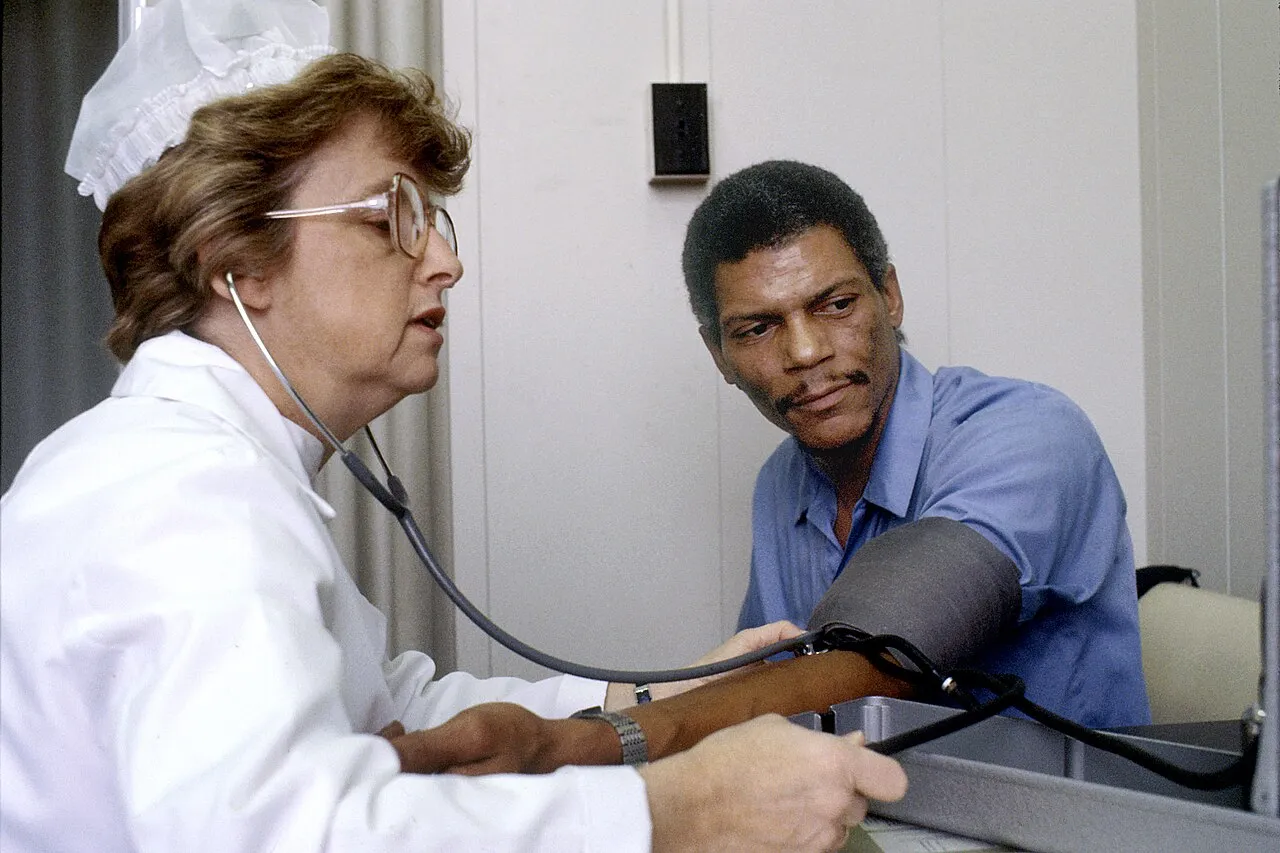
According to a recent study, individuals as young as their twenties and thirties should be aware of their blood pressure levels, challenging the notion that blood pressure checks are only necessary later in life.
The NHS currently invites people for five-yearly heart health checks, including blood pressure screenings, starting from the age of 40. However, the new research suggests that this age threshold may be too late.
High blood pressure, or hypertension, can lead to serious health issues such as cardiovascular disease, stroke, and kidney disease if left untreated.
The research also revealed that high blood pressure is present in 15% of participants aged between 18 and 39, indicating a need for earlier intervention.
The study highlights the importance of lifestyle changes and medication in controlling blood pressure, but these can only be offered if the problem is discovered.
Additionally, a hidden hormone disorder called primary aldosteronism, which affects up to one in five people with high blood pressure, may be driving millions of cases of high blood pressure.
The condition develops when the adrenal glands produce too much aldosterone, disrupting the body’s regulation of salt, water, and blood pressure.
Early detection and treatment of high blood pressure can significantly reduce the risk of cardiovascular disease and death, as shown by the Systolic Blood Pressure Intervention Trial (SPRINT).
What's confirmed
- According to a recent study, individuals as young as their twenties and thirties should be aware of their blood pressure levels, challenging the notion that blood pressure checks are only necessary later in life.
- The NHS currently invites people for five-yearly heart health checks, including blood pressure screenings, starting from the age of 40. However, the new research suggests that this age threshold may be too late.
- High blood pressure, or hypertension, can lead to serious health issues such as cardiovascular disease, stroke, and kidney disease if left untreated.
- The research also revealed that high blood pressure is present in 15% of participants aged between 18 and 39, indicating a need for earlier intervention.
- The study highlights the importance of lifestyle changes and medication in controlling blood pressure, but these can only be offered if the problem is discovered.
- Additionally, a hidden hormone disorder called primary aldosteronism, which affects up to one in five people with high blood pressure, may be driving millions of cases of high blood pressure.
- The condition develops when the adrenal glands produce too much aldosterone, disrupting the body’s regulation of salt, water, and blood pressure.
- Early detection and treatment of high blood pressure can significantly reduce the risk of cardiovascular disease and death, as shown by the Systolic Blood Pressure Intervention Trial (SPRINT).
What's still developing
- High blood pressure, sometimes called "the silent killer," often doesn't cause signs of illness that you can see or feel.
- There are important considerations for older adults in deciding whether to start treatment for high blood pressure, including other health conditions and overall fitness.
- Results from a related study showed that lowering systolic blood pressure to less than 120 reduced the risk of mild cognitive impairment, and an analysis of several large, long-term studies of adults over age 55 found that treating high blood pressure was associated with a reduction in the risk of developing Alzheimer’s disease.
- Your body’s network of blood vessels, known as the vascular system, changes with age.
- Arteries get stiffer, causing blood pressure to go up.
- The good news is that blood pressure can be controlled in most people.
- A hidden hormone disorder may be driving millions of cases of high blood pressure, and a wearable device is revealing what standard tests miss Researchers have used a wearable device to uncover previously hidden hormone patterns in primary aldosteronism, a potentially curable disorder that may affect as many as one in five people with high blood pressure.
- Yet diagnosis is frequently delayed because aldosterone naturally fluctuates, meaning a blood sample taken at a single moment may provide an incomplete or even misleading picture.
- The nighttime activity is particularly easy to miss because routine blood tests are rarely conducted while patients are asleep.
- “Blood pressure is a silent killer and is the biggest killer in the world,” said Dr Ajay Gupta, a cardiovascular medicine expert at Queen Mary University of London (QMUL).
- But they should still ring alarm bells, said Dr Iain Turnbull, an academic GP at the University of Oxford who was involved in the study It also found high blood pressure present in 15 per cent of participants who were aged between 18 and 39.
- “If you don’t get your blood pressure measured, then you wouldn’t know that you have high blood pressure because it is asymptomatic in the majority of cases, and would go undetected,” he said.