
Home · Technology · Sep 24 archive
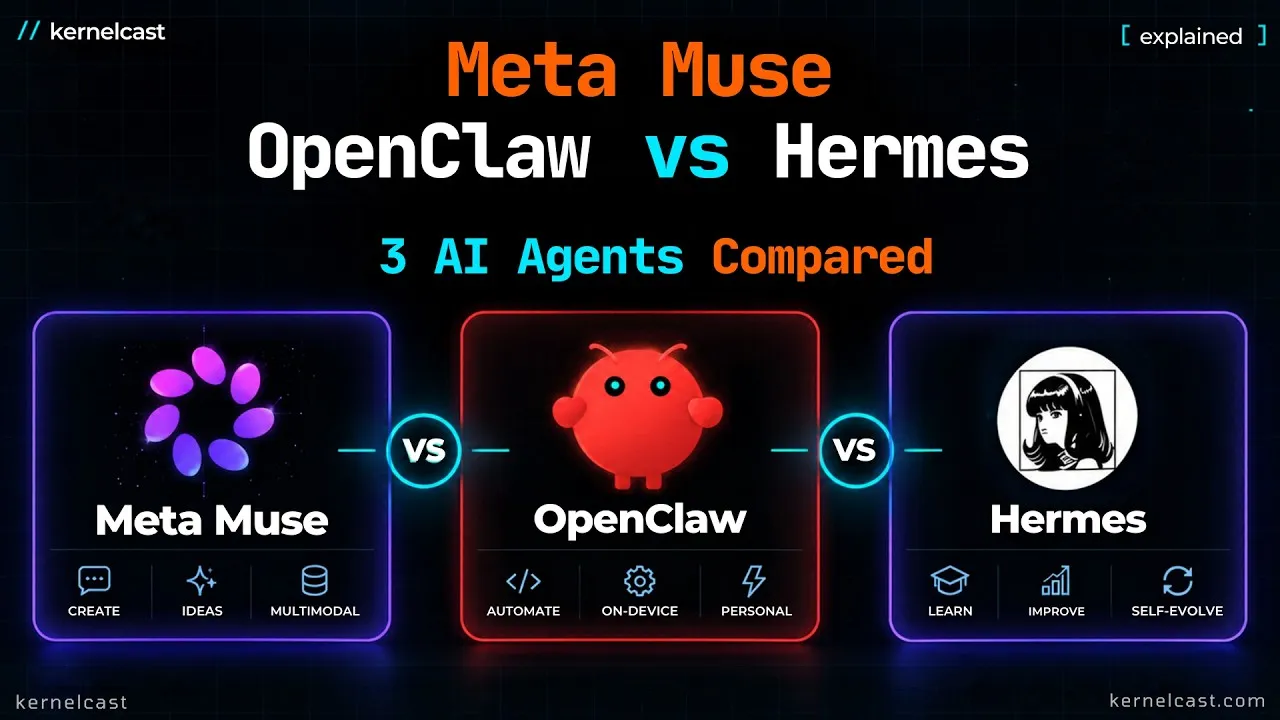
Muse sure looks a lot like OpenClaw
Confirmed
In Short: However, the app's design and functionality have raised privacy concerns. One Redditor argued that Muse is a wrapper app built on top of OpenClaw, a platform known for significant security risks.
Meta's new AI assistant, Muse, has been downloaded over 900,000 times in its first week, according to Sensor Tower. The app, which is available through Meta’s WhatsApp platform and Instagram, is designed to help users with everyday tasks like booking reservations and managing their inbox.
Muse operates on a virtual machine, allowing it to browse the internet and complete tasks on behalf of users. It can autonomously send emails, book travel, sell a car, and negotiate on a user's behalf, according to Meta.
Users report that every interaction with Muse feels like an opportunity to upload more data about themselves to Meta. The app stores interaction details and preferences in a 'Memory' document, which users can access by tapping the avatar.
Privacy advocates are skeptical. Calli Schroeder, senior counsel at the Electronic Privacy Information Center, says, 'This tells me they have not learned from past mistakes and undermines their argument that you should trust Muse with all your information even further.
Muse's default avatar is a beige-colored creature that seems to be designed to 'scoop up' user data. The app cross-promotes itself on other Meta platforms, such as Instagram, encouraging users to download it.
Meta spokesperson Emil Vazquez maintains that Muse is designed with built-in protections and user controls, putting users in charge of their data. However, critics argue that the app's design and functionality suggest otherwise.
Meta plans to introduce Muse Confidential VM later this year, which will encrypt user data and communications with Muse, ensuring only the user can access it.
Despite its impressive capabilities, some users feel that Muse is more focused on collecting data than actually getting tasks done. The app's ability to operate in the background and access various apps raises concerns about safety and reliability.
What this adds
Meta's Muse app is a mainstream version of AI agents already popular in Silicon Valley, like OpenClaw and Instinct.
What's confirmed
- Muse is also available through Meta’s WhatsApp platform.
What's still developing
- Under the hood, though, there are some obvious similarities to the platform that started it all: OpenClaw.
- One Redditor argued that “Muse is just a wrapper app built on top of” OpenClaw — alleging it probably also came with that platform’s significant security risks.
- After he first used OpenClaw in January, he said, he purchased hundreds of Mac Minis for his team at Meta.
- As Friedman noted, one of OpenClaw’s only glaring issues was security.
- For example, I asked Muse to order breakfast from a local bakery called Kahnfections.
- Muse quickly found cheap, local couches for sale within my parameters and offered to message sellers to arrange pick-ups.
- The agent is designed to follow up with users, so Muse nudged me the next day to consider getting the couch I said was my favorite.
- The day after I said I wanted help saving money for a fancy vacation, Muse offered to “wire your savings tracker to your real balance” if I just tapped a few buttons and linked the data from my checking and savings accounts.
- “Muse keeps working while you get on with your day.” It’s free to use, and easily connects to other data sources, like my email and bank account.
- Meta’s Muse is a mainstream version of AI agents already popular in Silicon Valley for automating personal tasks, like OpenClaw and Instinct.
- The user experience is less like prompting a chatbot, and more like texting a friend with task requests—the AI agent acknowledges messages with a thumbs-up emoji and gets to work in the background.
- Modeled on the open-source AI agent OpenClaw, Muse is designed to access a person's apps across categories like email, calendar, payments, health, shopping and the smart home, Meta said.