
Home · Science · Sep 24 archive
Elephants Use Medicinal Plants to Treat Themselves, Study Finds
Confirmed
In Short: A new study reveals that African elephants use over 35 plant species for medicinal purposes, treating themselves and their calves.
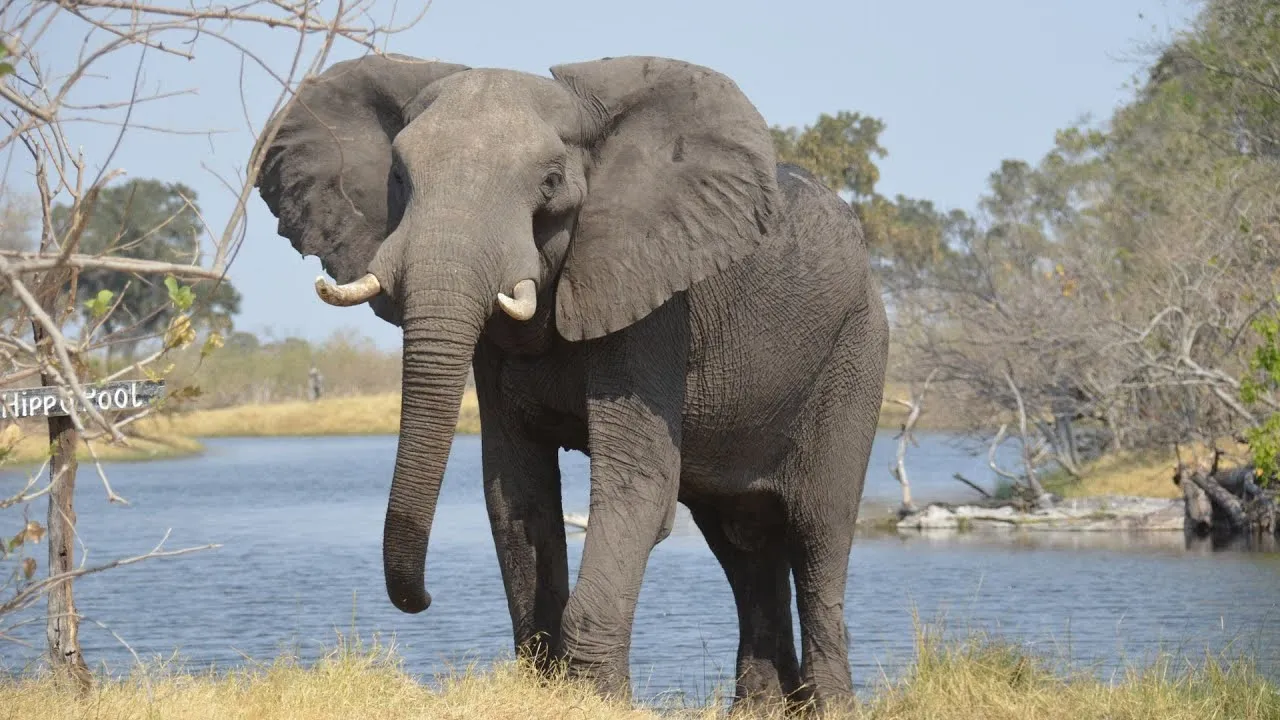
Researchers from Brown University and the Mount Elgon Foundation have documented this behavior in the Mount Elgon region of Kenya.
Local experts reported that elephants select specific plants when they appear unwell, and mothers often give medicinal plant material to their calves.
Camera traps set up by the Mount Elgon Foundation captured elephants 'mining' for salt in caves, scraping rock with their tusks to extract minerals.
Dr Elodie Freymann, one of the lead researchers, noted that the study raises questions about whether habitat destruction could be depriving animals and humans of essential medicines.
The study identified 35 different plant species used by elephants, with 25 of them known locally for their medicinal properties.
In one instance, a wildlife scout described elephants using a plant called Angurweet as medicine for their babies.
Separately, a study at the National Elephant Institute in Thailand showed that Asian elephants possess the trait of inhibitory control, allowing them to resist impulsive behaviors.
Researchers found that elephants could adjust their behavior to solve problems more effectively, a skill that could help in avoiding human-elephant conflicts.
Elephants were tested with a classic psychology experiment where they had to resist reaching directly for food and instead use an opening on the side of a box.
The ability to inhibit impulses is rare among animals and could be crucial for problem-solving and social interactions.
This study, led by City University of New York psychologists, is the first to demonstrate strong inhibitory control in Asian elephants.
The findings suggest that elephants are capable of complex cognitive behaviors, including self-medication and problem-solving, indicating a high level of intelligence.
What this adds
The research adds to the understanding of elephant behavior and intelligence, potentially leading to new insights in both conservation and medicine.
While the findings are intriguing, more evidence is needed to conclusively prove that elephants provide bespoke medical treatment for their calves.
The studies also underscore the need for further research into the cognitive abilities of elephants and the medicinal properties of plants in their habitats.
What's confirmed
- Researchers from Brown University and the Mount Elgon Foundation have documented this behavior in the Mount Elgon region of Kenya.
- Local experts reported that elephants select specific plants when they appear unwell, and mothers often give medicinal plant material to their calves.
- Camera traps set up by the Mount Elgon Foundation captured elephants 'mining' for salt in caves, scraping rock with their tusks to extract minerals.
- Dr Elodie Freymann, one of the lead researchers, noted that the study raises questions about whether habitat destruction could be depriving animals and humans of essential medicines.
- The study identified 35 different plant species used by elephants, with 25 of them known locally for their medicinal properties.
- In one instance, a wildlife scout described elephants using a plant called Angurweet as medicine for their babies.
- Separately, a study at the National Elephant Institute in Thailand showed that Asian elephants possess the trait of inhibitory control, allowing them to resist impulsive behaviors.
- Researchers found that elephants could adjust their behavior to solve problems more effectively, a skill that could help in avoiding human-elephant conflicts.
- Elephants were tested with a classic psychology experiment where they had to resist reaching directly for food and instead use an opening on the side of a box.
- The ability to inhibit impulses is rare among animals and could be crucial for problem-solving and social interactions.
- This study, led by City University of New York psychologists, is the first to demonstrate strong inhibitory control in Asian elephants.
- The findings suggest that elephants are capable of complex cognitive behaviors, including self-medication and problem-solving, indicating a high level of intelligence.
What's still developing
- This newly published research suggests that the same elephants use several different plant species in the forest for medicinal purposes.
- Professor Michael Huffman, a primatologist based in Japan, currently at Nagasaki University, said this particular account was "tantalising", but more evidence would be needed to prove that elephants provided bespoke medical treatment for their calves.
- They are also analysing plants that the elephants use - looking for new medicines that the elephants themselves may have discovered.
- Centuries later, these scientists are delving into what we can learn from wildlife about the properties of plants in the forest habitats they evolved in.
- The researchers say the forests are 'natural pharmacies' for the elephants The scientists collaborated with the conservation charity the Mount Elgon Foundation, external.
- “When elephants were faced with a situation where they needed to suppress an impulsive behaviour, they were generally able to suppress the impulse,” researchers stated in a new study published in the journal PLOS One.
- The adjustment in behaviour was slower in older individuals, likely due to cognitive decline from age, researchers noted.
- This ability could be a key part of the problem-solving and socialising skills of elephants and could lead to effective strategies to avoid human-elephant conflict, researchers said.
- When the box was rotated, the elephants at first succumbed to the impulse to reach for the previous position of the opening, but quickly changed this behaviour to find a new effective approach.
- The experiment demonstrates the ability of elephants to resist impulsive but ineffective action in favour of indirect but effective behaviour.
- They captured all attempts at this detour paradigm on camera, and interpreted them in detail: how long it took the elephant to touch the box, find the open side, grab the food, etc.
- "The evidence for strong inhibitory control in Asian elephants that we found in this study agrees with the general positive relationship between brain size and inhibitory control ability that is found across other taxa," the authors conclude.