
Home · Sports · Sep 24 archive
Drinking at football matches
Confirmed
In Short: The debate over alcohol consumption at football matches highlights the complex interplay between sports and politics.
The upcoming football match between Ireland and Israel in the UEFA Nations League competition has sparked intense political controversy.
Amid growing calls for a boycott due to the ongoing conflict in Gaza, Ireland's Prime Minister Micheal Martin has given the green light for the matches to proceed.
The Irish Football Association (FAI) Chief Executive David Courell defended the decision, stating that the national team has no choice but to fulfill its obligations to avoid harming the long-term sporting interests of Irish football.
Amnesty International, however, strongly criticized the decision, stating, 'It’s unconscionable that Israel will participate despite clear evidence that Israel’s football association continues to support illegal settlements.
Bohemian FC, an Irish club known for its pro-Palestine stance, has urged the FAI to call off their participation in the matches.
The matches are set to take place amid tense political relations and increasing opposition from the Irish public.
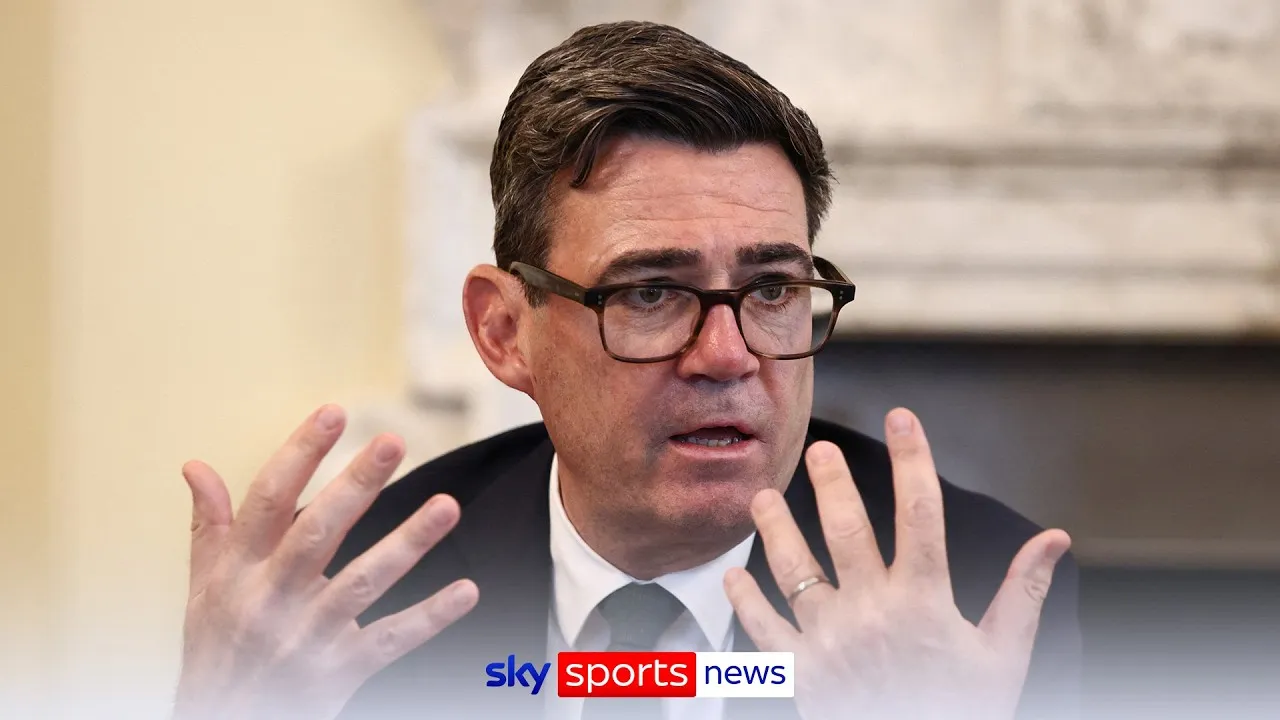
Meanwhile, UK Prime Minister Andy Burnham has suggested that it might be time to reconsider the ban on alcohol consumption in football stadiums.
Burnham argued that football fans are unfairly singled out compared to fans of other sports and events.
The English Football League expressed openness to reviewing the current legislation, which has been in place since 1985.
While the focus remains on the upcoming Ireland vs Israel matches, the broader discussion about fan behavior and stadium regulations continues to evolve.
What this adds
The UEFA Nations League format pits closely ranked nations against each other in round-robin style matches.
The ban on alcohol consumption in football stadiums was introduced in 1985 to address safety concerns.
The debate over alcohol at football matches is not new and has been a topic of discussion among football fans and policymakers.
What's confirmed
- The upcoming football match between Ireland and Israel in the UEFA Nations League competition has sparked intense political controversy.
- Amid growing calls for a boycott due to the ongoing conflict in Gaza, Ireland's Prime Minister Micheal Martin has given the green light for the matches to proceed.
- The Irish Football Association (FAI) Chief Executive David Courell defended the decision, stating that the national team has no choice but to fulfill its obligations to avoid harming the long-term sporting interests of Irish football.
- Amnesty International, however, strongly criticized the decision, stating, 'It’s unconscionable that Israel will participate despite clear evidence that Israel’s football association continues to support illegal settlements.
- Bohemian FC, an Irish club known for its pro-Palestine stance, has urged the FAI to call off their participation in the matches.
- The matches are set to take place amid tense political relations and increasing opposition from the Irish public.
- Meanwhile, UK Prime Minister Andy Burnham has suggested that it might be time to reconsider the ban on alcohol consumption in football stadiums.
- Burnham argued that football fans are unfairly singled out compared to fans of other sports and events.
- The English Football League expressed openness to reviewing the current legislation, which has been in place since 1985.
- While the focus remains on the upcoming Ireland vs Israel matches, the broader discussion about fan behavior and stadium regulations continues to evolve.
What's still developing
- When European football’s governing body announced the schedule for its upcoming Nations League competition in February, one fixture became an instant point of contention.
- Seven months on, the Ireland vs Israel game is expected to be played as scheduled but amid vociferous criticism, louder calls for Irish football officials not to send a team to the game and bitter Israeli responses to the backlash.
- As UEFA members, and in order to progress to the top tier of European football competitions and improve their rankings in international football, both nations participate in UEFA-run tournaments.
- The UEFA Nations League pits closely ranked nations against each other in groups, where all teams face each other twice in round-robin-style matches.
- The law permits supporters at stadiums from the Premier League to National League to drink alcohol outside the ground and in concourses, but not in their seats When UK Prime Minister Andy Burnham embarked on his trip to the United Nations in New York, he might not have been expecting a question about football fans drinking alcohol in grounds.
- Before it was introduced four years ago, Mark Roberts, who has been the national lead for football policing since 2014, told the BBC it would make it "easier to throw missiles, engage in hate chanting, racism, sneak alcohol in, take cocaine".
- "[The police] were telling everybody that we couldn't have standing at football again, that it would jeopardise safety, " Greatrex said.
- Scottish football has slowly started to relax the ban of alcohol sales at matches but fans continue to protest for this to move at a faster pace.
- There is no suggestion this is about to become official government policy, and last year MPs rejected a Conservative amendment to the Football Governance Bill that would have forced ministers to launch a formal consultation on scrapping the rule.
- Drinking alcohol at football grounds in England and Wales has been strictly controlled since the Sporting Events Control of Alcohol Act was introduced in 1985.
- It’s called non-league, it’s brilliant and if bringing in drinking at games in the Football League caused a loss of income at non-league level in any form, it would be a great shame.
- From the dreaded Boxpark spray to exorbitant prices for awful beer, here's why I'm against Andy Burnham's proposed U-turn In 1985, when the consumption of alcohol in the stands of English football grounds was banned in the top five divisions, football supporters were demonised to the point of exploitation.