
Home · Health · Sep 23 archive
New Toolkit Aims to Improve Perimenopause Management
Developing
In Short: A new clinical toolkit from the American College of Obstetricians and Gynecologists aims to better manage perimenopause.
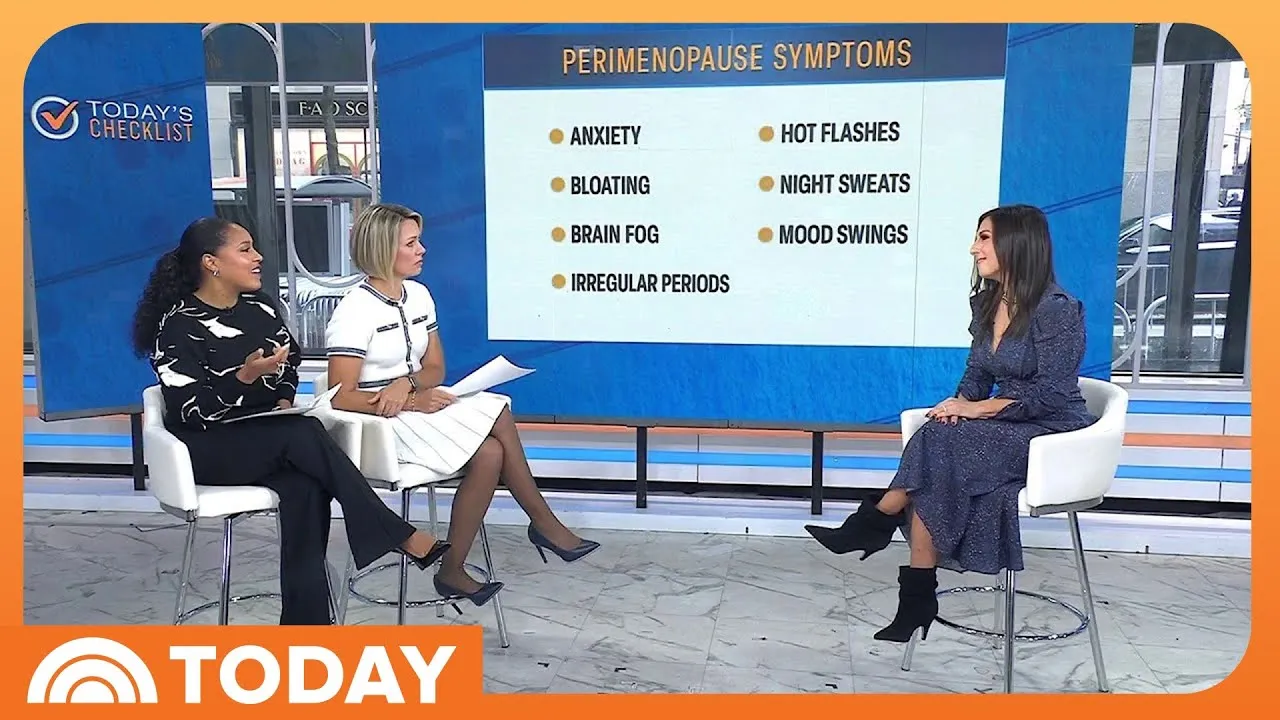
The American College of Obstetricians and Gynecologists has released a new clinical toolkit designed to help manage perimenopause, a reproductive stage in women that typically begins around age 47 but can start earlier.
According to the toolkit, perimenopause is a distinct phase with its own set of challenges and should not be treated as a vague prelude to menopause.
Jaclyn Piasta, DNP, co-author of the guidance document and founder of Monarch Health in Marietta, Georgia, emphasized the importance of recognizing perimenopause as a distinct phase with its own clinical framework.
The toolkit, published in Obstetrics & Gynecology, explores the therapeutic role of hormonal contraceptives and other hormonal strategies, as well as options for individualized care and shared decision-making.
The toolkit contrasts with the Stages of Reproductive Aging Workshop +10 staging system, which describes discrete, stage-specific hormonal patterns, while the new toolkit treats perimenopause as a continuum.
No therapies have been specifically approved by the FDA for perimenopause, so much treatment is off-label.
What's still developing
- First, according to the toolkit, anticipatory guidance should begin before symptoms become severe.
- “Start with the clinical picture: symptoms, bleeding pattern, contraceptive needs, and medical risk factors. Routine hormone testing is rarely helpful because hormone levels fluctuate substantially and don’t reliably correlate with symptoms,” Piasta said.
- “Keep an open mind to the range of presentations — do not dismiss perimenopause as a natural process of aging — and use the tools we have to build an individualized plan that best addresses that patient’s needs,” she said.
- “This helpful article brings clinical rigor and guidance on options to providers starting to see patients with symptoms,” she said.