
Home · Science · Sep 23 archive
Hubble Marks 200,000 Orbits, Seeks Lensed Supernova
Confirmed
In Short: NASA's Hubble Space Telescope, after 36 years, completed its 200,000th orbit around Earth and is now searching for a lensed supernova.
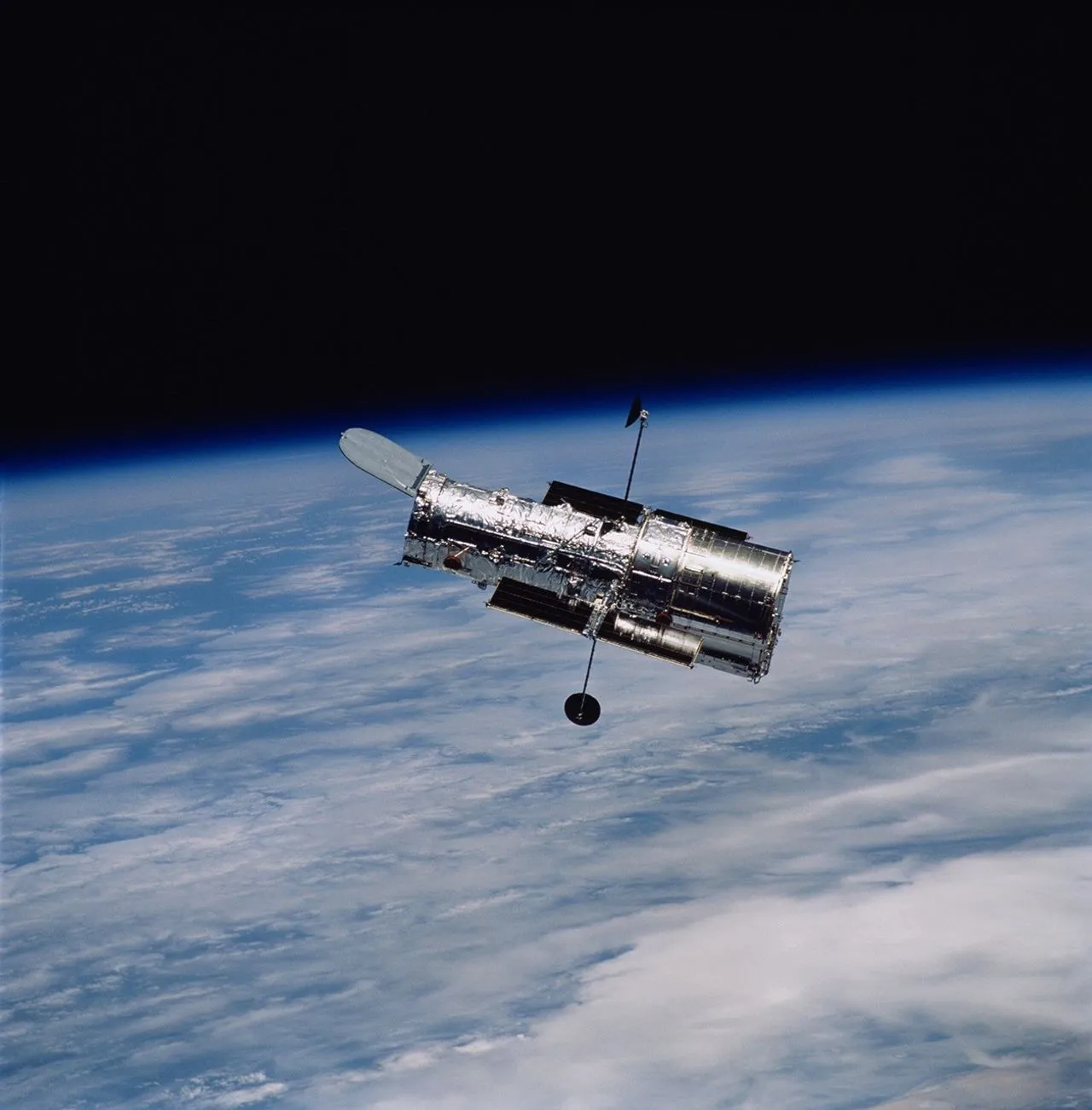
NASA's Hubble Space Telescope, after 36 years in space, has completed its 200,000th orbit around Earth, marking a significant milestone in its operational history.
On the day it reached this milestone, Hubble observed one of its defining scientific legacies: measuring the expansion rate of the universe, known as the Hubble Constant.
Hubble's unique ability to observe and analyze light in ultraviolet and visible wavelengths complements the capabilities of NASA’s James Webb and Roman Space Telescopes.
The telescope is currently searching for a lensed supernova, an event where light from a supernova can reach Earth along multiple paths, causing the same stellar explosion to appear more than once.
Supernova Athena, discovered by NASA’s James Webb Space Telescope in 2025, is predicted to reappear between now and early March 2027.
Hubble’s ongoing scientific productivity and impact are highlighted by the high demand for its observing time, with astronomers requesting about seven times as much time as is available each year.
Hubble’s design, technology, and serviceability have made it one of NASA's most transformative observatories, changing our fundamental understanding of the universe.
From determining the atmospheric composition of planets around other stars to discovering dark energy, Hubble has significantly advanced humanity's understanding of the cosmos.
Hubble’s legacy includes a vast array of discoveries, including far-out solar system objects, star and planet-forming regions, and the expansion rate of the universe.
What's confirmed
- NASA's Hubble Space Telescope, after 36 years in space, has completed its 200,000th orbit around Earth, marking a significant milestone in its operational history.
- On the day it reached this milestone, Hubble observed one of its defining scientific legacies: measuring the expansion rate of the universe, known as the Hubble Constant.
- Hubble's unique ability to observe and analyze light in ultraviolet and visible wavelengths complements the capabilities of NASA’s James Webb and Roman Space Telescopes.
- The telescope is currently searching for a lensed supernova, an event where light from a supernova can reach Earth along multiple paths, causing the same stellar explosion to appear more than once.
- Supernova Athena, discovered by NASA’s James Webb Space Telescope in 2025, is predicted to reappear between now and early March 2027.
- Hubble’s ongoing scientific productivity and impact are highlighted by the high demand for its observing time, with astronomers requesting about seven times as much time as is available each year.
- Hubble’s design, technology, and serviceability have made it one of NASA's most transformative observatories, changing our fundamental understanding of the universe.
- From determining the atmospheric composition of planets around other stars to discovering dark energy, Hubble has significantly advanced humanity's understanding of the cosmos.
- Hubble’s legacy includes a vast array of discoveries, including far-out solar system objects, star and planet-forming regions, and the expansion rate of the universe.
What's still developing
- Hubble has traveled more than 5 billion miles around Earth over its 36-year lifetime, exceeding 1.7 million total observations.
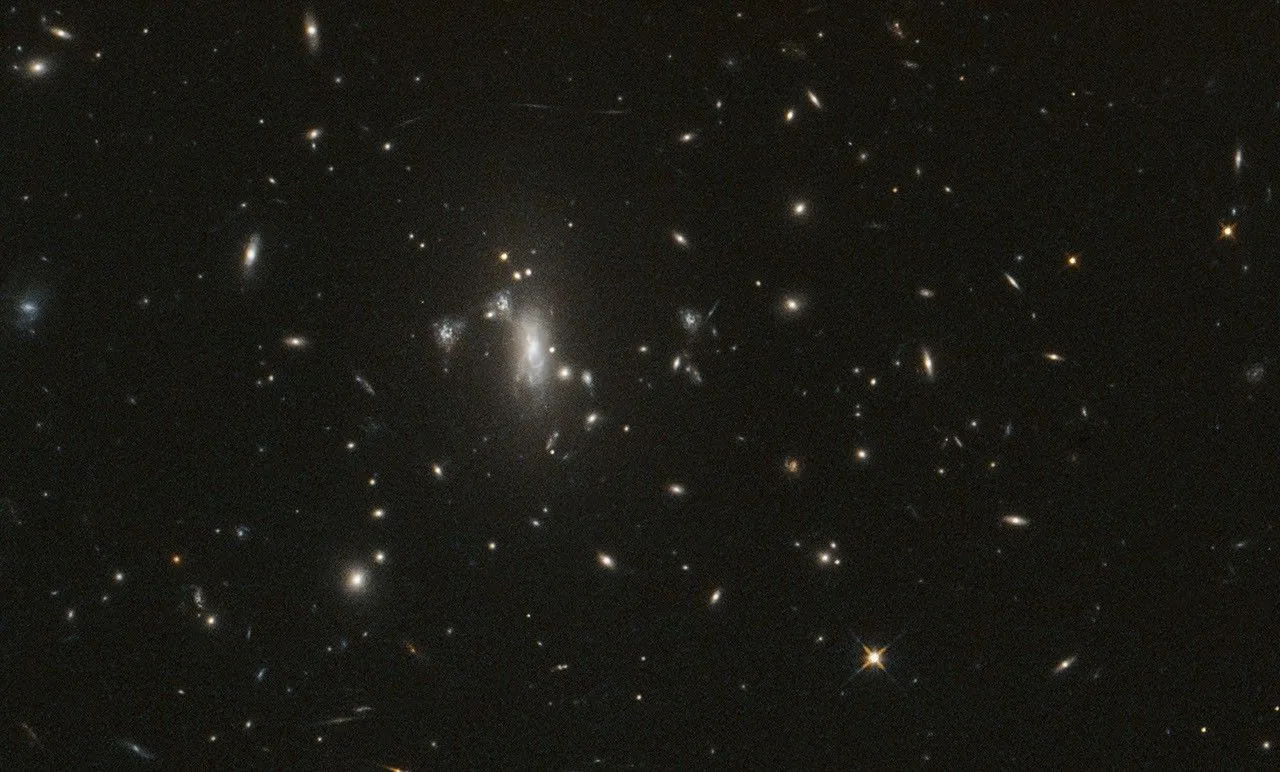
- NASA’s Hubble Space Telescope captured this image of massive galaxy cluster MACS J0417 (left of center) on Sept. 19, 2026.
- NASA’s Hubble Seeks Lensed Supernova, Marks 200,000 Orbits NASA’s Hubble, Webb Find Far-out Solar System Objects ‘Remember’ Past NASA’s Hubble Tracks New Decagon Encircling Saturn’s South Pole Hubble Solves Merger Mystery From Milky Way’s Early Years NASA’s Hubble Shows Star Formation in Andromeda Galaxy Winding Down Dive into Hubble’s discoveries that center around giant cosmic lenses that distort and magnify the light from distant objects.
- See what Hubble observed on your birthday, or other special occasion, pick your favorite images, and share them with friends!
- Take a virtual tour of Hubble's operations center Hubble commemorated the nation’s 250 th birthday with new red, white, and blue views of space, along with a look back at stunning cosmic captures from previous Independence Days, and more.
- Hubble took us on a tour of star and planet-forming regions, releasing new images everyday from January 12-17, 2026.