
Home · World · Sep 23 archive
Houthis threaten to attack US interests if Washington joins Saudi strikes on Yemen
Confirmed
In Short: Houthis have warned that they would attack US interests in the Middle East if Washington intervenes in Yemen’s conflict in support of Saudi Arabia.
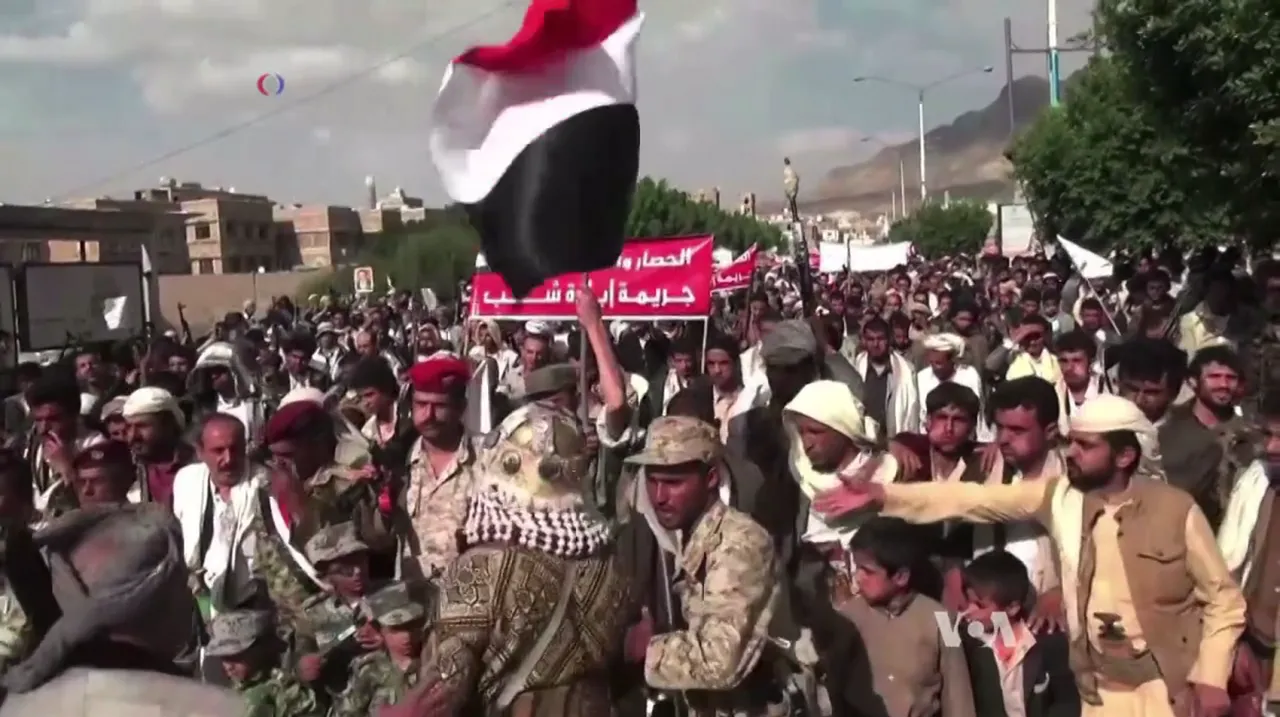
Pakistan's frustration with Iran has reached a new level as Houthi attacks on Saudi Arabia raise the prospect of a new Saudi-Houthi conflict.
The nuclear-armed nation, which brokered an interim deal between Washington and Tehran last month, signed a mutual defence agreement with Saudi Arabia last year.
Thousands of Pakistani soldiers are deployed near the Saudi border with Yemen, increasing their direct exposure to the conflict.
Houthis fired missiles at Saudi Arabia after accusing the kingdom of bombing an airport under their control, complicating any future role Pakistan may have as a mediator.
Pakistan's top civil and military leaders have conveyed to Iran that the attacks on Saudi Arabia are attacks on Pakistan.
The Houthis, backed by Iran, have seized control of the Bab el-Mandeb Strait, a narrow shipping lane that is a gateway to the Red Sea.
Saudi Arabia has requested American and international military assistance against the Houthis, who have targeted Saudi sites, including the capital Riyadh.
The conflict has escalated since July, with hundreds of strikes by Saudi-led coalition forces and renewed clashes between the Houthis and Yemeni coalition forces.
US President Donald Trump rejected a request from Saudi Crown Prince Mohammed bin Salman to order strikes against the Houthis, reported two US officials.
The latest escalation came after Houthi forces claimed they had bombed Saudi Aramco’s facilities in Riyadh, prompting Trump to threaten to “wipe Iran out” unless Tehran submits to US dictates.
The advance threatens the southern gateway to the Red Sea, just as Saudi Arabia has increasingly relied on that route to bypass Hormuz, putting pressure on critical shipping lanes on both sides of the Arabian Peninsula.
Background
Clashes near Al-Hazm, Yemen, have escalated tensions, threatening the Bab el-Mandeb Strait and critical global shipping routes.
What's confirmed
- Pakistan's frustration with Iran has reached a new level as Houthi attacks on Saudi Arabia raise the prospect of a new Saudi-Houthi conflict.
- The nuclear-armed nation, which brokered an interim deal between Washington and Tehran last month, signed a mutual defence agreement with Saudi Arabia last year.
- Thousands of Pakistani soldiers are deployed near the Saudi border with Yemen, increasing their direct exposure to the conflict.
- Houthis fired missiles at Saudi Arabia after accusing the kingdom of bombing an airport under their control, complicating any future role Pakistan may have as a mediator.
- Pakistan's top civil and military leaders have conveyed to Iran that the attacks on Saudi Arabia are attacks on Pakistan.
- The Houthis, backed by Iran, have seized control of the Bab el-Mandeb Strait, a narrow shipping lane that is a gateway to the Red Sea.
- Saudi Arabia has requested American and international military assistance against the Houthis, who have targeted Saudi sites, including the capital Riyadh.
- The conflict has escalated since July, with hundreds of strikes by Saudi-led coalition forces and renewed clashes between the Houthis and Yemeni coalition forces.
- US President Donald Trump rejected a request from Saudi Crown Prince Mohammed bin Salman to order strikes against the Houthis, reported two US officials.
- The latest escalation came after Houthi forces claimed they had bombed Saudi Aramco’s facilities in Riyadh, prompting Trump to threaten to “wipe Iran out” unless Tehran submits to US dictates.
- The advance threatens the southern gateway to the Red Sea, just as Saudi Arabia has increasingly relied on that route to bypass Hormuz, putting pressure on critical shipping lanes on both sides of the Arabian Peninsula.
What's still developing
- When Pakistan's defence deal with Saudi Arabia was announced last September, it was widely seen as a sign that Gulf Arab states were growing increasingly wary about the reliability of the United States as a security guarantor and looking to Pakistan and other countries as a possible alternative.
- Pakistan's frustration appears rooted in growing concerns that Houthi involvement may be more likely to draw Pakistan into the conflict than the Iranian missile strikes were earlier this year.
- A widening conflict there could be more difficult to contain and could target Saudi interests in a way that forces Pakistan to intervene militarily under the terms of its mutual defence pact.
- Yemen’s government also made the request, a well-placed source told AFP.
- Trump reportedly rejected the request, although CNN reported two weeks ago that US personnel were on the ground in Saudi Arabia providing intel for strikes but stopping short of taking part.
- The New York Times reported that the administration had prepared on Sunday to launch airstrikes against the Houthis after fresh pleas from the Saudi crown prince.
- Houthi-affiliated media said Wednesday that Saudi airstrikes had killed 10 people and left 14 others wounded in Yemen’s Taiz and Al-Jawf governorates over the past 24 hours.
- “As long as Saudi Arabia insists on and continues killing our country and striking our people, we will strike with an iron fist,” Thawr said.
- The Houthi blockade has shaken Saudi Arabia, the world’s top oil exporter, which was already hit by Tehran’s stranglehold on the strategic Strait of Hormuz as part of its war with the United States.
- The Iran-backed Houthis dislodged Saudi-backed government forces from Yemen’s Red Sea coast in fighting that left hundreds dead.
- While threatening Tehran with destruction.
- By midday Sunday, the newspaper reported, officials were saying there would be no US strikes on the Houthis for the time being.