
Home · Faith · Sep 23 archive
Allentown Diocese Launches Annual Blood Drive Amid National Shortage
Confirmed
In Short: The Diocese of Allentown, Pennsylvania, began its third annual blood drive on the feast of St. Januarius, amid a nationwide blood shortage.
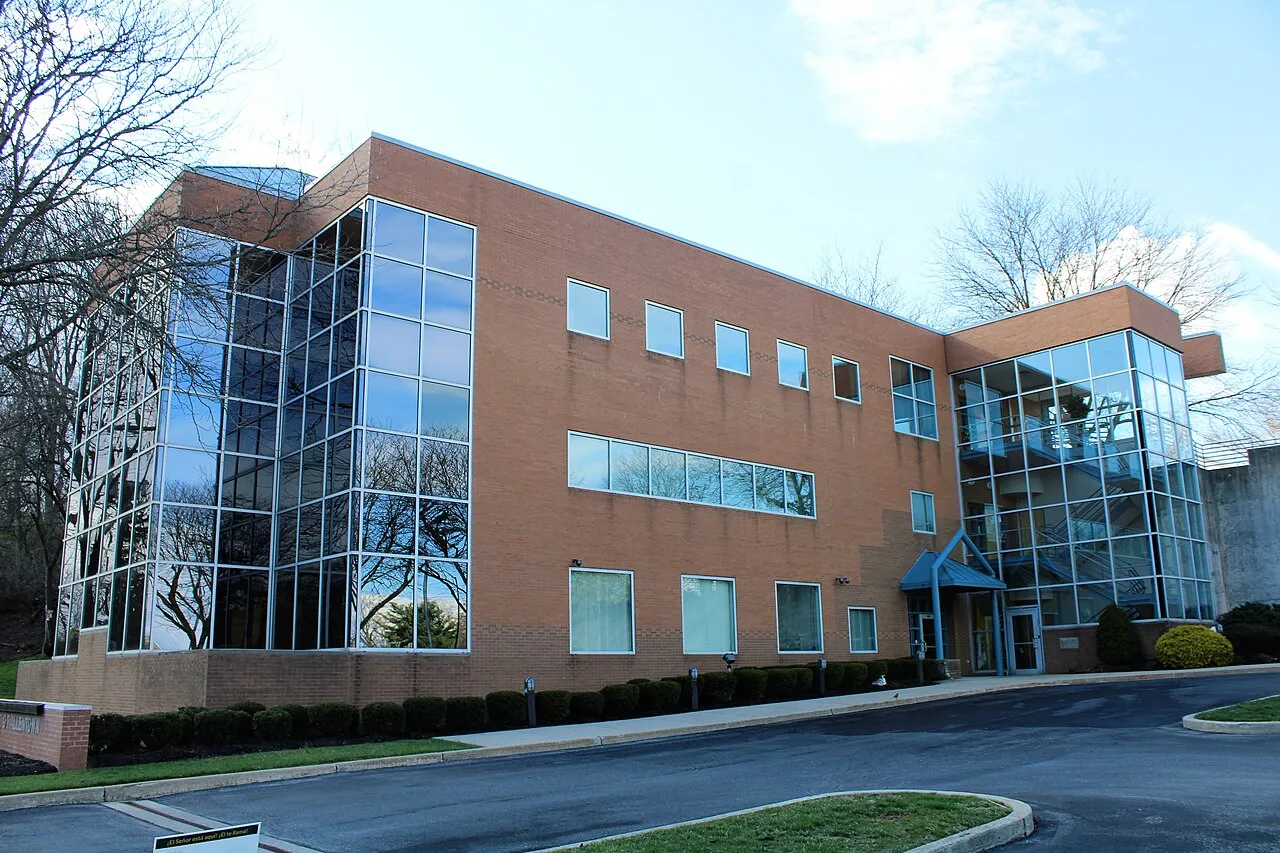
The Diocese of Allentown, Pennsylvania, launched its third annual blood drive on September 19, the feast day of St. Januarius, a patron saint associated with miraculous liquefying blood.
The blood drive, which runs through December 16, is a partnership with the Miller-Keystone Blood Center. Last year, the campaign collected 821 units of blood, marking a 40% increase from the previous year.
According to the Miller-Keystone Blood Center, the national shortage of donated blood means most centers are operating with only a one- or two-day inventory.
Monika Kotlarska-Gross, director of donor relations at Miller-Keystone, emphasized the critical nature of blood donations: 'Blood is perishable, and there is no substitute.
Someone in the U.S. is transfused with blood about every two seconds, according to the Red Cross, which declared a national blood supply crisis in July, the second such crisis in the organization's history.
Bishop Alfred A. of the Diocese of Allentown highlighted the importance of volunteer donors: 'Blood cannot be manufactured or replaced. It can only come from individuals willing to give of themselves for others.
The blood drive is being conducted in 63 parishes and schools throughout the diocese. Donors who give under their parish’s sponsor code will receive a St. Januarius medallion blessed by the bishop.
In very Catholic fashion, St. Januarius, patron saint of blood banks, is expanding the 'heart' of blood donation, and the number of donors.
The liquefaction of St. Januarius's blood, a recurring miracle, was announced at the Cathedral of Naples, Italy, on September 19, just before Mass for the Feast of St. Januarius began.
The tradition of the liquefying blood dates back to at least 1389, with the saint's dried blood often liquefying and solidifying again on his feast day and sometimes before popes and other holy people.
The blood drive began after a parishioner of St. Joseph the Worker Parish in Orefield, Pennsylvania, who organizes regular blood drives at his parish, wondered how more parishes might get involved.
The initiative aims to address the shortage of donated blood, which has worsened as school blood drives disappear in the summertime.
What this adds
The national blood shortage has escalated to a crisis level, with the Red Cross declaring an emergency shortage in July.
The Archdiocese of Indianapolis has granted a dispensation from Mass for parishioners who fear deportation, adding to the list of dioceses addressing immigration concerns.
What's confirmed
- The Diocese of Allentown, Pennsylvania, began its third annual blood drive on Sept. 19, the feast of St. Januarius, the martyred fourth-century bishop whose blood at times miraculously liquefies.
- The Miller-Keystone Blood Center said that because of a national shortage of donated blood, most centers around the country are operating with only a one- or two-day inventory.
What's still developing
- After his death, a woman named Eusebia is said to have saved some of his blood in two flasks, and since at least 1389, his dried blood has often miraculously liquefied and then solidified again, especially on his feast day and sometimes before popes and other holy people.
- According to legendary accounts, the lava flow was stopped by the 3rd-century martyr’s encapsulated blood.
- Many of his classmates were volunteering to donate during a local drive.
- The archbishop of Indianapolis has granted a dispensation from Mass for parishioners who fear deportation, making Indianapolis the seventh U.S. diocese to issue such a decree amid rising federal immigration-enforcement activity nationwide.
- With Indianapolis added, dioceses that have issued similar decrees encompass about 3.5 million Catholics, according to the Official Catholic Directory 2025.
- During the pandemic in 2020, all Catholic dioceses and archdioceses issued Mass dispensations.
- The Archdiocese of New Orleans and the dioceses of Columbus, Baton Rouge, Charlotte, San Bernardino, and Nashville have granted dispensations.