
Home · Science · Sep 22 archive
El Nino Threatens Asia With Drought, Global Food Prices
Confirmed
In Short: Experts warn a record-breaking El Nino could cause severe drought in Asia, raising food prices globally.
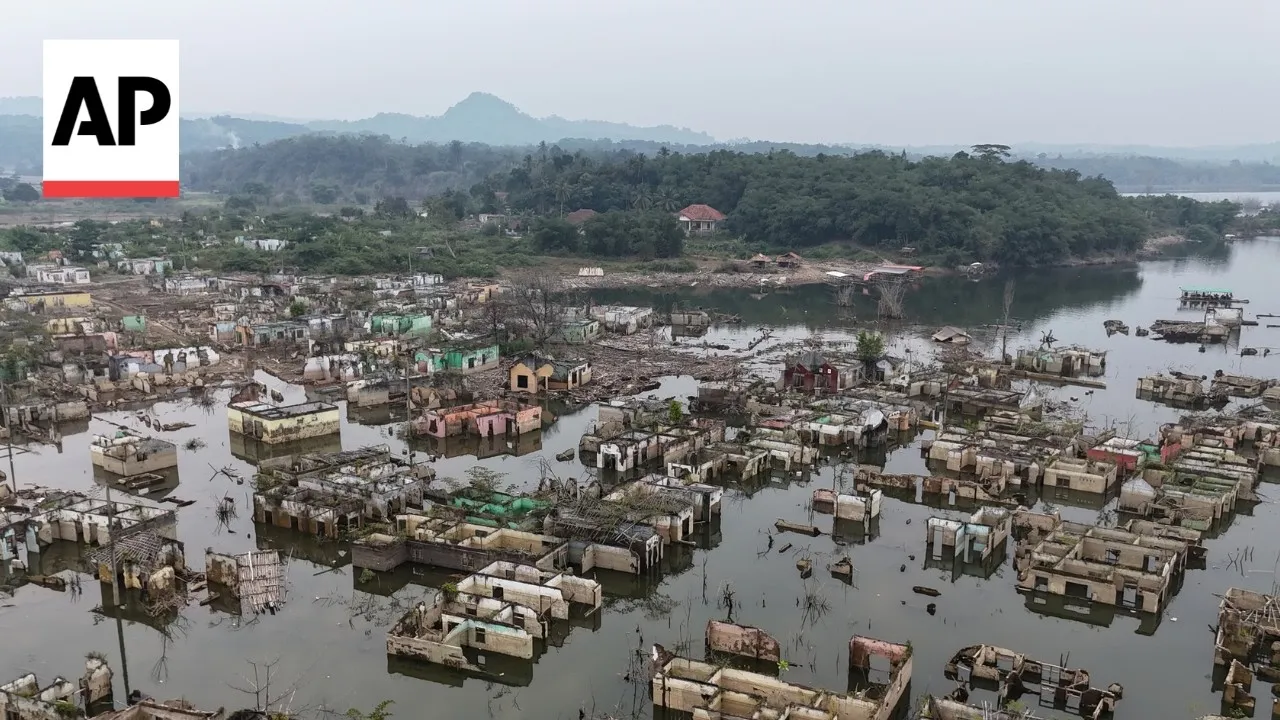
Experts predict a record-breaking El Nino this year, which could cause severe drought in Asia, threatening food security for millions of people. The phenomenon, part of a natural climate cycle, is expected to reach new extremes of drought, heat waves, and flooding in South America, Africa, and Asia.
Kareff Rafisura, chief of the Disaster Risk Reduction Division at the U.N. Economic and Social Commission for Asia and the Pacific, noted that global oceans hit new temperature records in August, exacerbating the situation.
The U.K.’s national weather and climate service and the U.S. National Oceanic and Atmospheric Administration both suggest this El Nino could be the strongest in living memory, with a 69% chance of being the strongest since record-keeping began in 1950.
The United Nations’ World Food Program warns that this intensifying El Nino may push at least 49 million more people into acute food insecurity by the end of 2027.
In Southeast Asia, wildfires are torching forests and peatlands in Indonesia, sending up plumes of toxic haze. Less rainfall and hotter temperatures are putting pressure on Southeast Asia's fisheries, an essential source of protein.
Drought may force farmers to delay planting, reduce acreage, or switch crops entirely, said Rafisura. “Agriculture is definitely on the front line,” she added.
Malaysia’s prime minister has ordered its Ministry of Agriculture and Food Security to find ways to mitigate El Nino’s impact, which is forecast to hit Malaysia hardest in November.
Paul Teng, with Singapore’s ISEAS-Yusof Ishak Institute, said, “El Nino is only compounding all the other problems that we see.” The phenomenon may amplify other crises in Southeast Asia.
El Nino is already fueling wildfires across farmland, depleting water supplies for major cities, and hurting fish catches in the region.
Stephanie Roe, lead climate scientist with the World Wildlife Fund, warned that El Nino can bring devastating climate extremes on its own but is unfolding today on a much warmer planet, increasing the likelihood of extreme weather conditions.
What this adds
The impacts of El Nino are felt globally but do not affect the entire South American continent in the same way, inducing extreme droughts in some regions and torrential flooding in others.
What's confirmed
- All signs are pointing toward a record-breaking El Nino this year, which experts say may cause severe drought in Asia and other extreme weather across the world, threatening food security for millions of people.
- Related video: As super El Niño strengthens, study suggests that climate change is intensifying El Ninos El Nino is part of a natural climate cycle of warming ocean temperatures, but this year’s is expected to reach new extremes of drought, heat waves, flooding and other climate-related disruptions in South America, Africa and Asia.
- Asian governments that have been drawing on their financial reserves to mitigate the war's ripple effects of higher energy costs and scarce fertilizer supplies have less capacity to cope with this year's intensifying El Nino, which is forecast to peak in December.
- This year, the seas are already hotter than average, with global oceans hitting new temperature records in August as the climate warms, said Kareff Rafisura, chief of the Disaster Risk Reduction Division at the U.N. Economic and Social Commission for Asia and the Pacific.
- This intensifying El Nino may be the “strongest in living memory,” according to the United Kingdom’s national weather and climate service.
- Similarly, the U.S.' National Oceanic and Atmospheric Administration said there is a 69% chance that this will be the strongest recorded El Nino since record-keeping began in 1950.
- It could push at least 49 million more people into acute food insecurity by the end of 2027, according to the United Nations’ World Food Program.
- In Southeast Asia, wildfires are torching forests and peatlands in Indonesia, sending up plumes of toxic haze.
- Less rainfall and hotter temperatures are putting pressure on Southeast Asia's fisheries, an essential source of protein.
- Drought may force farmers to delay planting, reduce acreage or switch crops entirely, said Rafisura, with the U.N. “Agriculture is definitely on the front line,” she said.
- Malaysia’s prime minister has ordered its Ministry of Agriculture and Food Security to find ways to mitigate El Nino’s impact, which is forecast to hit Malaysia hardest in November.
- Southeast Asia is one of the world's most climate vulnerable regions.
What's still developing
- Unlike in the southern part of the continent, where countries including Argentina, Chile and Uruguay have been expecting unseasonably heavy rainfall, El Nino has the opposite effect in the northern part of the continent.
- In the equatorial Andes, forest fires peak during the dry season, but this year they are fuelled by a severe El Nino weather pattern.
- The impacts of El Nino, a natural weather pattern, are felt globally and do not affect the entire South American continent in the same way, inducing extreme droughts in some regions and torrential flooding in others.