
Home · World · Sep 21 archive
Typhoon Dujuan Forces Evacuations in Japan
Confirmed
In Short: More than 1.6 million residents in and around Tokyo were urged to evacuate as Typhoon Dujuan hit the region.
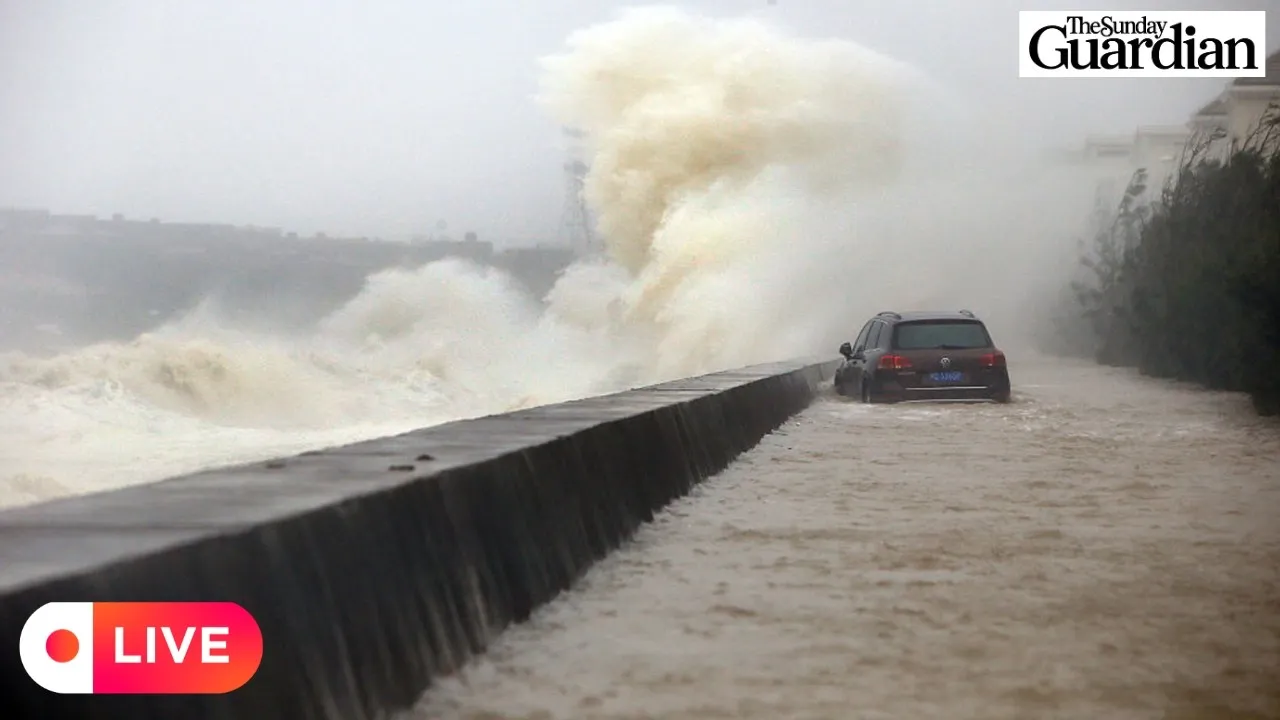
Typhoon Dujuan, packing winds of up to 144 kilometres per hour, hit Japan on Monday, prompting more than 1.6 million residents in and around Tokyo to be urged to evacuate.
The Japan Meteorological Agency (JMA) warned of an 'imminent threat to life' as the typhoon moved north, bringing torrential rains, flooding, and landslides to the region.
In areas where warnings have been issued, there's a risk the rain will continue as the typhoon moves north, said JMA's Takuya Hosomi.
More than one million people were under evacuation advisories in Japan early Tuesday, with hundreds of flights cancelled and over 9,000 households without power.
Japan Airlines cancelled 135 flights and All Nippon Airways scrapped 140, disrupting travel plans for many.
The typhoon, the 25th of the year, has already forced the cancellation of several events, including concerts at the Rock in Japan music festival and Monday's programme at the Tokyo Game Show.
Some parts of Japan had already recorded more than 300 millimeters of rain since Saturday, and the JMA warned that conditions could deteriorate quickly as the storm moved closer to the Kanto region.
Japan's Prime Minister Sanae Takaichi offered her condolences to those who lost their lives in the typhoon, while continuing with her scheduled trip to the United States.
The typhoon is the latest in a series of storms in the Pacific, made more intense by the 'super El Niño', which has warmed the ocean, fuelling the formation of storms.
What this adds
The evacuation advisories were not compulsory in Japan, and the typhoon is continuing to travel along the country's Pacific coast, heading north.
Background
The name Dujuan has been used for five tropical cyclones in the western North Pacific Ocean.
What's confirmed
- The country's public broadcaster, NHK, reported that two people had died and four others were missing as a result of the typhoon.
What's still developing
- Japan often sees strong typhoons in the late summer and early autumn, and other storms have already disrupted some events at the Asian Games being hosted in the country.
- The JMA warned on Sunday that rain and winds were expected to intensify even before the typhoon's arrival.
- A woman struggles with her umbrella outside Shinjuku station Some research suggests that Japan has become more exposed to destructive storms, but climate change is not thought to be increasing the number of these storms globally, and could even make them less common in some regions.
- For travelers currently visiting Tokyo Disney Resort, or anyone scheduled to arrive in Japan in the immediate future, Typhoon Dujuan is turning what would normally be a theme park vacation into a major exercise in flexibility.
- On Monday, however, thousands of travelers across the Tokyo area faced a factor no vacation itinerary could control: Typhoon Dujuan.
- Tokyo Disney Resort has continued operating, but getting there, moving around outside, and simply staying dry have become far more difficult as powerful gusts and heavy rainfall sweep through the area.
- Published 21 Sept 2026, 15:19 UTC Updated 21 Sept 2026, 20:39 UTC Technology and Science · updated 1h ago · 2 min read Nearly two million people urged to evacuate in eastern Japan.
- Left out by 10 of 11 who reported it Dujuan caused a 'miracle' landing video clip to go viral.
- Japan’s weather warnings expanded as the Japan Meteorological Agency issued its highest, Level-5 landslide warning for the northern part of the Izu island chain.