
Home · World · Sep 21 archive
British Museum Reverses Policy, Bans Photos of Bayeux Tapestry
Confirmed
In Short: The British Museum has banned visitors from taking photographs of the Bayeux Tapestry, reversing a decision made just days earlier.
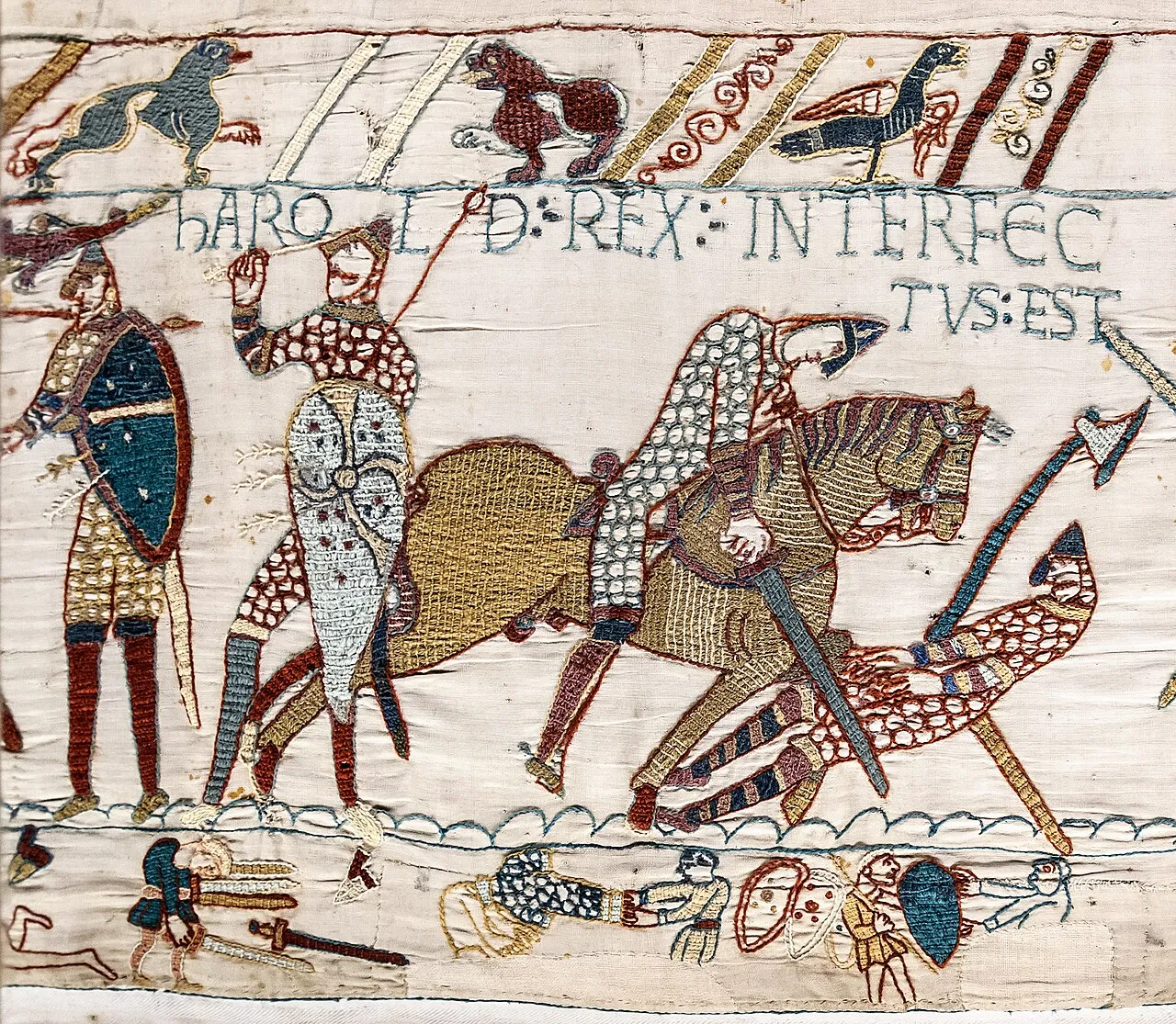
The British Museum has banned visitors from taking photographs of the Bayeux Tapestry, reversing a decision made just days earlier. The museum cited long queues and bottlenecks caused by visitors stopping to take pictures as the reason for the change.
A spokeswoman for the museum explained that the priority is to ensure all visitors have the best possible experience. She said, 'There has been enormous interest in viewing the tapestry, and our priority is to ensure that all visitors have the best experience possible.
The Bayeux Tapestry, which is actually an embroidery, tells the story of the Norman French conquest of England and the Battle of Hastings in 1066. It is currently on loan from its home in Normandy, France, and will be displayed in London until July 2027.
The British Museum originally stated that non-flash photography was permitted, but signs were posted outside the exhibit informing visitors that photography was no longer allowed, despite e-tickets still stating that it was allowed.
The change in photography rules follows a close inspection of the Bayeux Tapestry after its transfer from France to the U.K. Conservators found two new broken threads in the historic textile following the journey.
The British Museum has chosen to display the tapestry in a straight line, unlike the horseshoe-shaped gallery where it is exhibited in Bayeux. Visitors will be allowed just 40 minutes to see the tapestry and associated objects and texts.
Some would-be visitors have criticized the high price of tickets, which can be as much as three times what it costs to see the Bayeux Tapestry in France.
The exhibition, which opened on September 10, is the museum's most eagerly anticipated in decades. King Charles III, the British prime minister Andy Burnham, and the French president Emmanuel Macron attended a special preview this week.
The Bayeux Tapestry, which is not technically a tapestry but an embroidery, is the oldest depiction of the events of 1066. It is normally displayed in a small museum in Bayeux, Normandy, but was transferred to London on loan while renovations are underway at the French museum where it is usually kept.
The British Museum is covering the costs of transporting and displaying the work, while the UK government has taken on responsibility for insurance.
The tapestry's display in London marks the first time it has ever left France to be displayed in Britain, a loan confirmed following a Franco-British summit in 2025 after years of quiet diplomatic planning between the two governments.
What this adds
The British Museum's decision to ban photography has raised concerns among some visitors who feel it limits their ability to capture and share the experience.
What's confirmed
- “There has been enormous interest in viewing the tapestry, and our priority is to ensure that all visitors have the best experience possible,” she said, adding that restricting photography was necessary.
- Under the terms of that agreement, the British Museum is covering the costs of transporting and displaying the work, while the UK government has taken on responsibility for insurance.
- This marks the first time the tapestry has ever left France to be displayed in Britain, a loan confirmed following a Franco-British summit in 2025 after years of quiet diplomatic planning between the two governments.
- The museum cited long queues as the reason behind reversing their initial decision to allow photos The British Museum has banned visitors from taking photographs of the Bayeux Tapestry over concerns that they were taking too long to view the historic work.
- "In order to do this, we have made the decision to restrict photography while people are moving along the length of the tapestry." The 11th Century artwork - which is not a tapestry and was actually embroidered in England - is currently on loan from its home in Normandy, France, and will be displayed in London until July 2027.
What's still developing
- Blowfield reported that he had visited the museum twice to see the historic artwork: the first time as an invited member of the press, and the second time as a ticket holder.
- Hundreds of ticket holders took informal photos of the tapestry on opening day, September 10.
- Blogger and former museum professional Maxwell Blowfield brought the photography policy change to light on his Substack Maxwell Muesums.
- Personal photography is expected to be allowed, and a museum spokesperson suggests that some visitors will snap scenes that catch their eye and then move on more quickly than if they were actually looking.
- Exhibition visitors may assume they are seeing the whole tapestry, but there could be around 3m missing at the end—and possibly also some at the beginning.
- From left: French ambassador Hélène Duchêne, British Museum director Nicholas Cullinan and chair George Osborne at Piccadilly Circus © Trustees of the British Museum The Bayeux Tapestry, which opens at the British Museum on 10 September, must be the world’s most anticipated exhibition of the year.
- In anticipation of the blockbuster exhibition, The Art Newspaper has delved into the Bayeux story to illuminate ten surprises about one of the world’s greatest treasures.
- Near the end, it shows the death of Harold, the last Anglo-Saxon king of England — though some scholars believe the arrow through his eye may have been added to the tapestry during a 19th century restoration.
- Last year, when Macron announced plans to the British Parliament for the Bayeux Tapestry's loan, he joked that the arrangements had taken longer than the Brexit negotiations between the U.K. and European Union.
- The Bayeux Tapestry is a piece of narrative embroidery — wool thread sewn into linen panels — with surprisingly bright colors, despite its age.