
Home · Entertainment · Sep 21 archive
British Museum Bans Photos of Bayeux Tapestry
Confirmed
In Short: The British Museum has banned photography of the Bayeux Tapestry to keep lines moving.
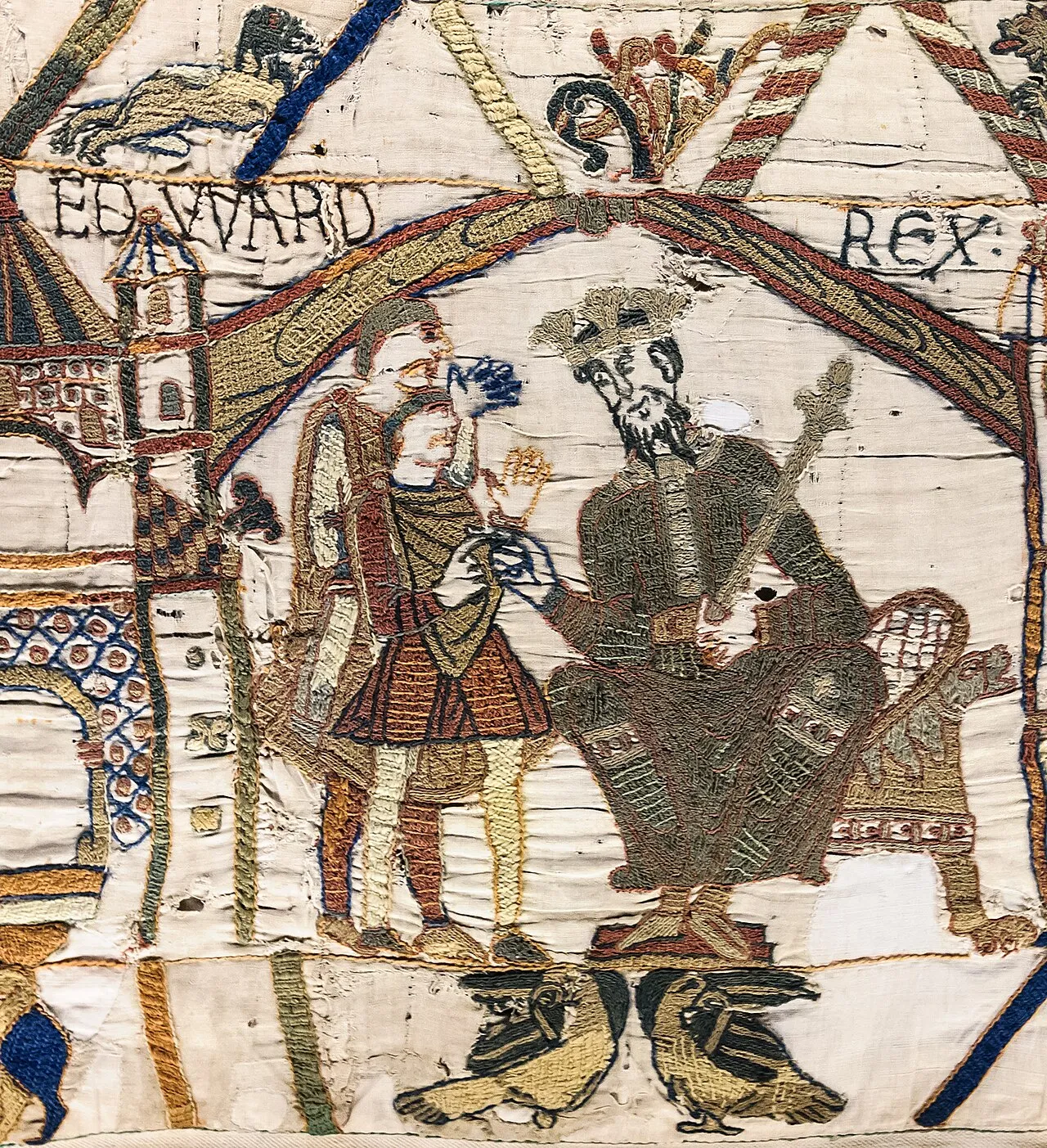
The British Museum has banned visitors from taking photographs of the Bayeux Tapestry, reversing a policy implemented just days earlier. The decision was made after curators noticed that people stopping to take pictures along the 68-metre display were causing bottlenecks for other visitors.
A spokeswoman for the museum explained that the ban was necessary to ensure that all visitors could enjoy the exhibit without delays. 'There has been enormous interest in viewing the tapestry, and our priority is to ensure that all visitors have the best experience possible,' she said.
The tapestry, which is actually an embroidered work and not a tapestry, is currently on loan from its home in Normandy, France. This marks the first time the embroidery has ever left France to be displayed in Britain, following a Franco-British summit in 2025.
The British Museum is covering the costs of transporting and displaying the work, while the UK government has taken on responsibility for insurance. The exhibit will be displayed in a straight line, unlike the horseshoe-shaped gallery in Bayeux.
Some visitors have criticized the high price of tickets, which can be up to three times what it costs to see the tapestry in France. Despite the criticism, the museum insists that the ban on photography is necessary to maintain the smooth operation of the exhibit.
The British Museum's decision to restrict photography while people are moving along the length of the tapestry reflects the high demand and the need to manage crowds effectively.
The British Museum's priority is to ensure that all visitors have the best possible experience, and the ban on photography is a step towards achieving that goal.
What's confirmed
- Under the terms of that agreement, the British Museum is covering the costs of transporting and displaying the work, while the UK government has taken on responsibility for insurance.
- This marks the first time the tapestry has ever left France to be displayed in Britain, a loan confirmed following a Franco-British summit in 2025 after years of quiet diplomatic planning between the two governments.
- The museum cited long queues as the reason behind reversing their initial decision to allow photos The British Museum has banned visitors from taking photographs of the Bayeux Tapestry over concerns that they were taking too long to view the historic work.
- "In order to do this, we have made the decision to restrict photography while people are moving along the length of the tapestry." The 11th Century artwork - which is not a tapestry and was actually embroidered in England - is currently on loan from its home in Normandy, France, and will be displayed in London until July 2027.
What's still developing
- Visitors are currently being admitted to the sold-out show in small groups every 40 minutes, moving in a single continuous direction along the length of the embroidery.
- That system depends entirely on people actually keeping pace, and photography, it turns out, does not mix well with a strictly timed, one-way viewing flow.
- The tapestry itself, despite its name, is not technically a tapestry.
- Visitors are being allowed into the sold-out exhibit in groups every 40 minutes and told to keep moving along the 68m (230ft) work in one direction.
- Curators initially allowed photography but reversed the decision after long queues began delaying access for ticket holders.