
Home · Politics · Sep 20 archive
US Military Strikes Drug Trafficking Vessel in Caribbean, Kills Four
Confirmed
In Short: Since the Trump administration began targeting what it calls 'narcoterrorists' about one year ago, the death toll from US military strikes on vessels suspected of transporting drugs in the Caribbean has reached 231.
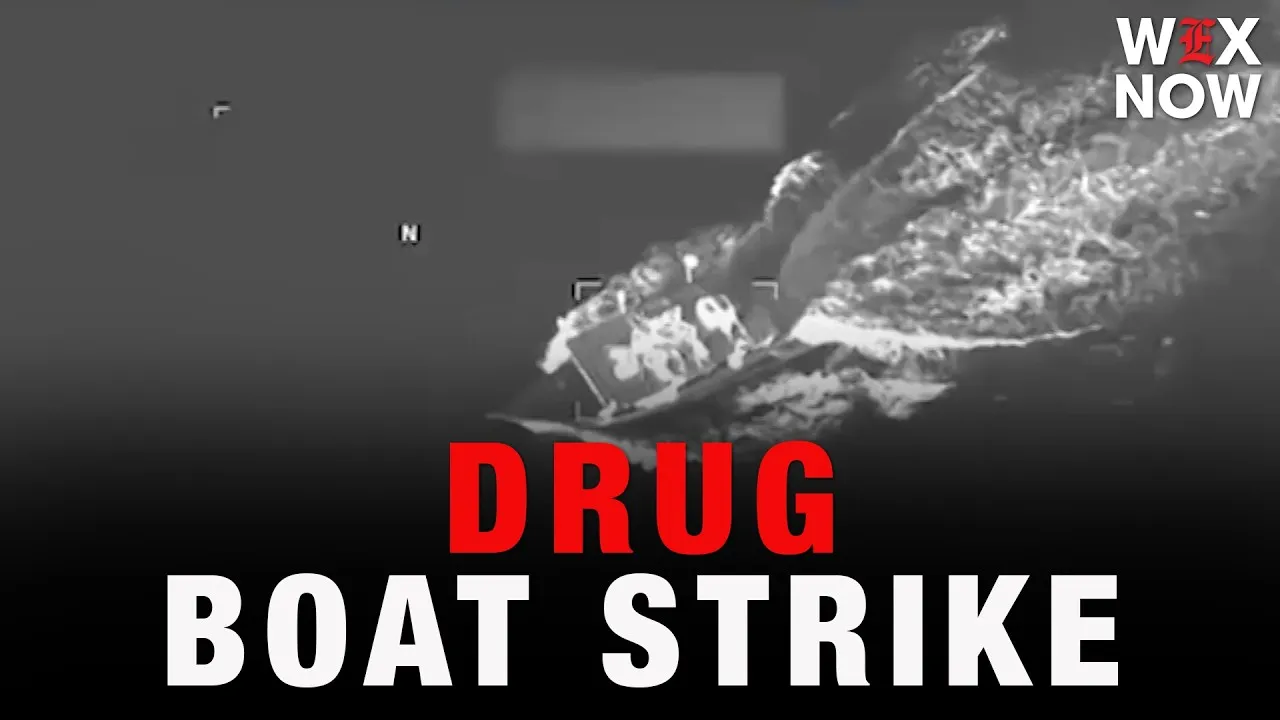
The US Southern Command announced on Saturday, September 19, that it had struck a speedboat traveling along routes used for illegal drug trafficking in the Caribbean Sea, killing four people aboard the vessel.
Reliable intelligence confirmed the boat was linked to drug-smuggling activities, according to the command. The operation was part of the ongoing campaign against drug trafficking in the region.
The latest attack brings the number of people killed in boat strikes by the U.S. military to at least 231 in 69 strikes since the campaign began.
As with most of the military's statements on strikes in the eastern Pacific Ocean and Caribbean Sea, U.S. Southern Command said it targeted the alleged drug traffickers along known smuggling routes.
However, the military did not provide evidence that the vessel was ferrying drugs or further details about the identities of the people killed, the type of drugs allegedly being transported, or the specific location of the strike.
The operation comes as US authorities continue efforts to disrupt suspected drug-trafficking networks in the Western Hemisphere.
In a separate operation on September 16, US forces interdicted and sank a floating refueling station in the Eastern Pacific that was supporting illicit at-sea drug trafficking operations.
SOUTHCOM said individuals removed from the vessel were transferred to Ecuadorian authorities.
The campaign, known as 'Southern Spear,' aims to disrupt the flow of narcotics in the Western Hemisphere through a series of air strikes on suspected drug-smuggling boats in the Caribbean Sea and eastern Pacific.
According to the U.S. military, the campaign has reduced suspected drug-vessel movements by at least 65% in the western Caribbean, 60% in the eastern Caribbean, and nearly 50% in parts of the eastern Pacific.
However, a group of United Nations-appointed human rights experts renewed calls for an investigation into U.S. strikes on suspected drug-trafficking boats as the campaign reached its first anniversary.
They said those responsible for violations of international law, including military and civilian chains of command, must be held accountable.
What this adds
The strike in the Caribbean is the latest in a series of operations aimed at disrupting drug trafficking routes in the region. The military did not provide further details about the identities of the people killed, the type of drugs allegedly being transported, or the specific location of the strike.
Background
The US military carried out a lethal strike against a high-speed vessel suspected of drug trafficking in the Caribbean Sea, killing four people, US Southern Command said Saturday. The operation targeted a vessel operating along established drug-trafficking routes in the region.
The strike targeted a vessel operating along established narco-trafficking routes in the Caribbean. SOUTHCOM released footage showing a missile hitting the boat, creating a massive inferno that briefly blocked the screen.
What's confirmed
- Four people aboard the vessel were killed in the strike.
- The latest attack brings the number of people who have been killed in boat strikes by the U.S. military to at least 231 in 69 strikes since the Trump administration began targeting those it calls "narcoterrorists" about one year ago.
- As with most of the military's statements on strikes in the eastern Pacific Ocean and Caribbean Sea, U.S. Southern Command said it targeted the alleged drug traffickers along known smuggling routes.
- The military did not provide evidence that the vessel was ferrying drugs.
- Defense Secretary Pete Hegseth said during a visit to Panama last month that Colombia, Guatemala and Honduras had agreed to allow the U.S. to carry out joint military operations against criminal groups on their soil.
- President Trump has said the U.S. is in "armed conflict" with cartels in Latin America and has justified the attacks as a necessary escalation to stem the flow of drugs into the U.S. and fatal overdoses claiming American lives.
- "Joint Task Force Western Hemisphere executed a lethal, kinetic strike on a go-fast vessel operating along established narco-trafficking routes in the Caribbean," US Southern Command (SOUTHCOM) said in a statement shared on social media.
What's still developing
- Footage of the US military strike was shared on the social media platform X.
- They said drug traffickers are not combatants and that there is no armed conflict between the United States and the criminal organizations that would allow their members to be targeted under the laws of war.
- Sen. Tim Kaine, D-Va., said last month that after reviewing classified documents governing the campaign, he believes the military exceeded the administration’s own criteria for lethal strikes.
- According to the official SOUTHCOM press release issued at the time, JTF-WHEM provides unified command and control at the tactical and operational levels and integrates military capabilities with the 18 partner nations of the Americas Counter Cartel Coalition (A3C).
- “JTF-WHEM strengthens our ability to work alongside trusted allies and partners, synchronize military capabilities and apply sustained pressure against the networks that threaten our collective security,” Donovan said.
- The continuous operations come after SOUTHCOM established Joint Task Force Western Hemisphere earlier in August as a purpose-built joint task force to synchronise US military operations with allies and partners, counter threats, strengthen regional security and respond rapidly to crises across the Western Hemisphere.