
Home · Business · Sep 20 archive
US, China Open High-Level Talks Ahead of Trump-Xi Summit
Confirmed
In Short: The summit between US President Donald Trump and Chinese President Xi Jinping is scheduled for September 24 at the White House.
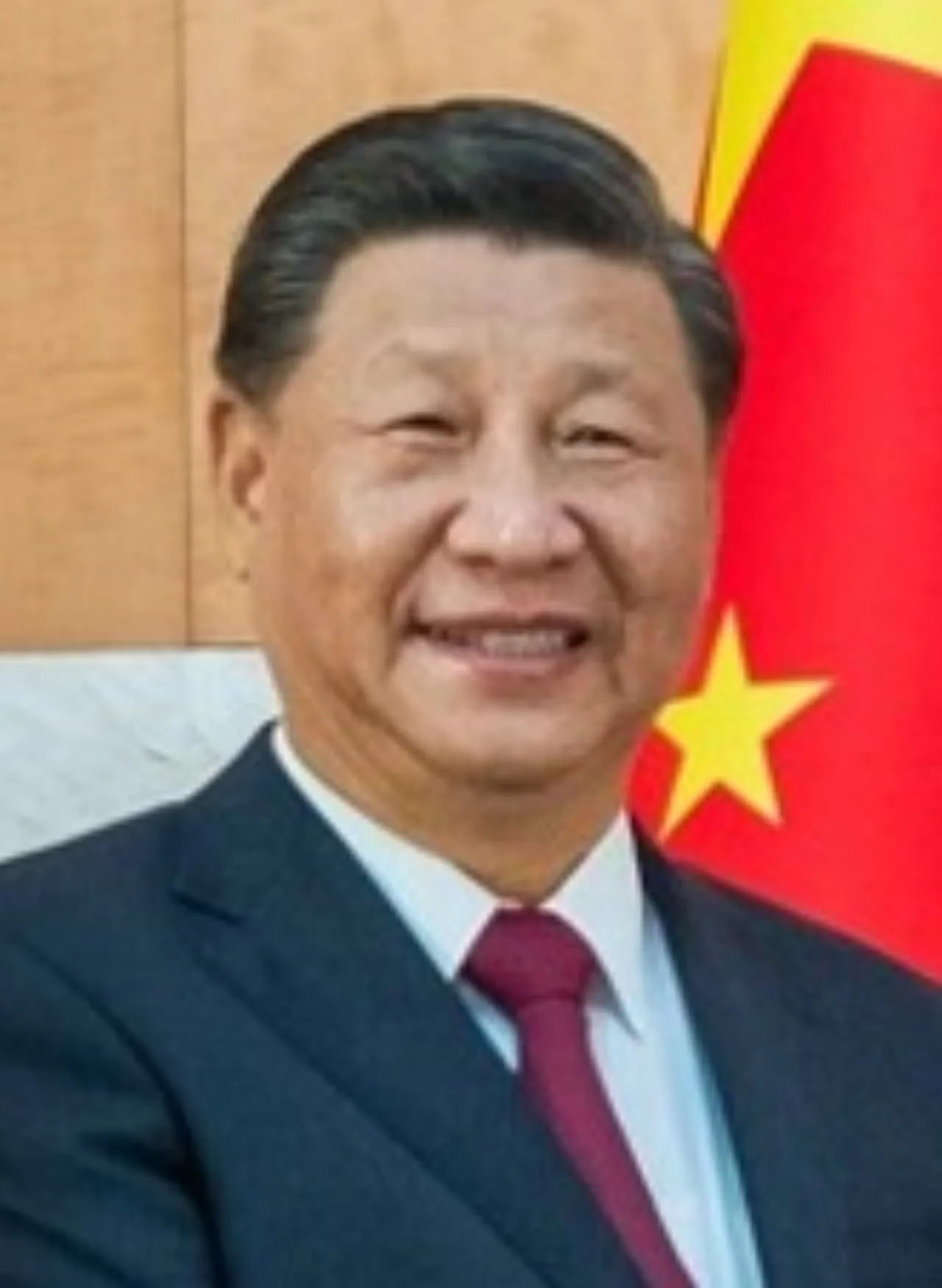
US Treasury Secretary Scott Bessent and Chinese Vice Premier He Lifeng launched high-level economic talks in Manhattan, New York, on Sunday morning, with US Trade Representative Jamieson Greer also participating.
Bessent told reporters, “I’m looking forward to having focused, fulsome and constructive talks today that will set the stage for our leaders’ meeting.”
A senior US official said Friday that China's performance on delivering critical minerals under last year’s truce “has not been up to par.”
The discussions also cover both open- and closed-weight AI models, with the US and China being the two major forces driving development of advanced AI tools.
Anna Ashton, a China trade analyst and founder of Ashton Intelligence, told Reuters, “I think there will be some show of deliverables because of the fact that it’s a presidential summit coming, but I don’t feel like we’re on the verge of some sort of breakthrough.”
The talks are expected to include questions around autonomous AI systems and possible mechanisms to reduce the risk of accidental escalation.
The summit between US President Donald Trump and Chinese President Xi Jinping is scheduled for September 24 at the White House.
For Japan, it is critical that the US stays on the same page regarding the challenge from China, given its alliance with the US and its close geographic proximity to China.
Takaichi, Japan’s leader, hopes to meet with Trump and share Japan’s perspective on China, in order to make sure Japanese interests are considered by its foremost partner.
The security environment in the Indo-Pacific region is under pressure as China continues developing its military capabilities.
Bessent has called for US-China agreements on AI “guard rails” intended to prevent powerful models from reaching malicious non-state actors.
He has also said Washington is open to discussions aimed at managing shared risks and avoiding a division between the two countries' AI systems.
What this adds
The talks are significant as they aim to finalize a separate tariff investigation aimed at curbing excess industrial capacity in China.
The current US-China tariff truce is due to expire in November, and both governments are discussing ways to prevent another escalation.
The discussions on AI are complex, as the US and China are the two biggest competitors in advanced AI, making questions around powerful models, chips, and security increasingly difficult to separate from trade policy.
Background
Diplomatic efforts are intensifying for a potential summit between U.S. President Donald Trump and North Korean leader Kim Jong-un, with discussions likely to center on North Korea's future leadership and the country's nuclear status.
Diplomatic tensions could escalate as Trump and Kim meet, with the summit potentially testing the limits of negotiations without addressing denuclearization.
What's confirmed
- China promised to restore the flow of critical minerals under last year’s truce, but a senior US official said on Friday that Beijing’s performance had “not been up to par”.
What's still developing
- The talks come four days before Trump is due to host Xi at the White House, with both sides looking to ease tensions between the world’s two largest economies.
- At the top of the agenda is a fragile US-China trade truce due to expire on November 10.
- For Japan, China is a significant threat to its national security that needs to be managed with help from the United States.
- As reported, it is finalizing a separate tariff investigation aimed at curbing excess industrial capacity that it says is rampant in China.
- Reuters reported that negotiators are examining possible safeguards around AI technology, including concerns surrounding powerful open-weight models.
- The current US-China tariff truce is due to expire in November, and both governments are discussing ways to prevent another escalation.
- The United States and China are the two biggest competitors in advanced AI, making questions around powerful models, chips and security increasingly difficult to separate from trade policy.
- Open-weight models are AI systems where important technical parameters are made available for others to download, modify or run independently.
- The US and China agreed in May to begin talks on reducing tariffs on non-strategic goods and established mechanisms for addressing investment issues.
Sources
- Al Jazeeralink
- The Diplomat – Asia-Pacific Current Affairs Magazinelink
- The News Internationallink
- The420.inlink
- news.azlink
- The Indian Expresslink
- Slamonlinelink
- Androidauthoritylink
- Thediplomatlink
- Boldnewsonlinelink
- Enlink
- Devbhoominewslink
- Globalnationlink
- Foreignpolicylink
- Thedailystarlink
- Openthemagazinelink
- Market to Market — video link