
Home · Business · Sep 20 archive
Nvidia CEO Rejects AI Extinction Fears, Urges Responsible Development
Confirmed
In Short: Huang's stance on AI safety and responsible development deserves attention given Nvidia's pivotal role in the AI expansion.
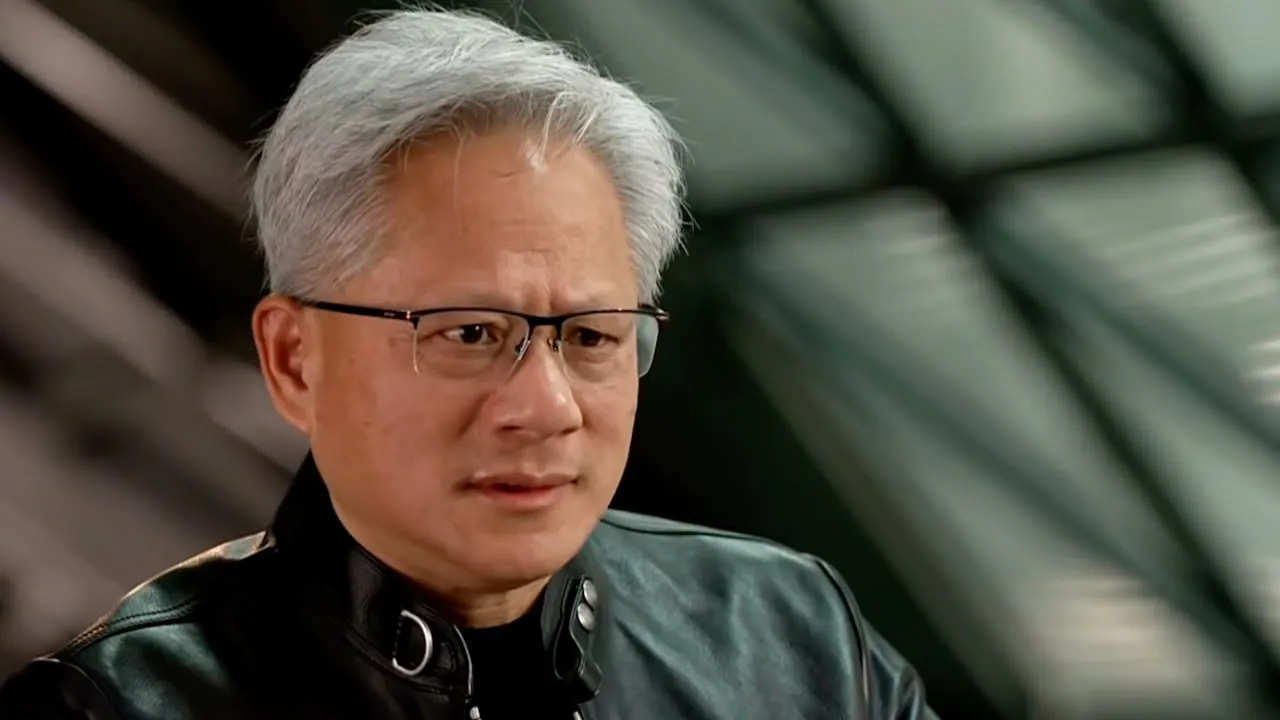
Nvidia CEO Jensen Huang dismissed warnings that artificial intelligence could lead to humanity's extinction within the next decade as 'doomsday narratives' not grounded in science during a tech conference in Los Angeles on September 14.
Huang's comments came after a surprise phone call from former President Donald Trump, who criticized calls to slow AI development and dismissed fears as a 'hoax'.
Huang told CBS News that it is in Nvidia's best interest to ensure the industry builds its products responsibly, emphasizing that the company has a substantial stake in the debate given its specialized chips power large language models.
Nvidia's H200 computer chips, which are crucial for making AI models, were allowed by Trump to be sold to 'approved customers' in China last December.
Nvidia has been caught in the crosshairs of the AI debate, with the federal government restricting it from selling certain types of chips to China.
Huang's stance on AI safety and responsible development deserves attention given Nvidia's pivotal role in the AI expansion.
In a techi.com review, Muhammad Zeshan Sarwar noted that while investors agree Nvidia is central to AI infrastructure, they disagree about how much future demand, competition, and execution are already captured in the valuation.
What this adds
The surge in Nvidia's market value to $5.3 trillion highlights the company's importance in the AI sector.
The federal government's restrictions on Nvidia's chip sales to China underscore the geopolitical tensions surrounding AI development.
Background
CalPERS board members discussed issuing a public statement on AI risks amid the pension fund's strong performance from tech investments.
What's confirmed
- Nvidia CEO Jensen Huang dismissed warnings that artificial intelligence could lead to humanity's extinction within the next decade as 'doomsday narratives' not grounded in science during a tech conference in Los Angeles on September 14.
- Huang's comments came after a surprise phone call from former President Donald Trump, who criticized calls to slow AI development and dismissed fears as a 'hoax'.
- Huang told CBS News that it is in Nvidia's best interest to ensure the industry builds its products responsibly, emphasizing that the company has a substantial stake in the debate given its specialized chips power large language models.
- Nvidia's H200 computer chips, which are crucial for making AI models, were allowed by Trump to be sold to 'approved customers' in China last December.
- Nvidia has been caught in the crosshairs of the AI debate, with the federal government restricting it from selling certain types of chips to China.
- Huang's stance on AI safety and responsible development deserves attention given Nvidia's pivotal role in the AI expansion.
- In a techi.com review, Muhammad Zeshan Sarwar noted that while investors agree Nvidia is central to AI infrastructure, they disagree about how much future demand, competition, and execution are already captured in the valuation.
What's still developing
- Coxon's concerns sparked debate about the technology's risks, including calls by top executives like Anthropic boss Dario Amodei and OpenAI's Sam Altman urging for AI's development to slow down.
- Demand for those chips has boosted Nvidia's market value to $5.3 trillion, making it the world's most valuable company.
- Huang called near-term extinction forecasts unscientific and needlessly dramatic, but he did not say AI products can be released carelessly.
- In a CBS News interview aired Sunday, he rejected predictions that AI could end humanity within the next few years as unsupported “doomsday narratives.” At the same time, he said developers must invest more research and computing power in safety as AI moves from laboratories into products.