
Home · Faith · Sep 20 archive
Catholic Church Includes 23 Eastern Churches
Confirmed
In Short: The Catholic Church comprises the Latin Church and 23 Eastern Catholic Churches, preserving ancient Christian traditions.
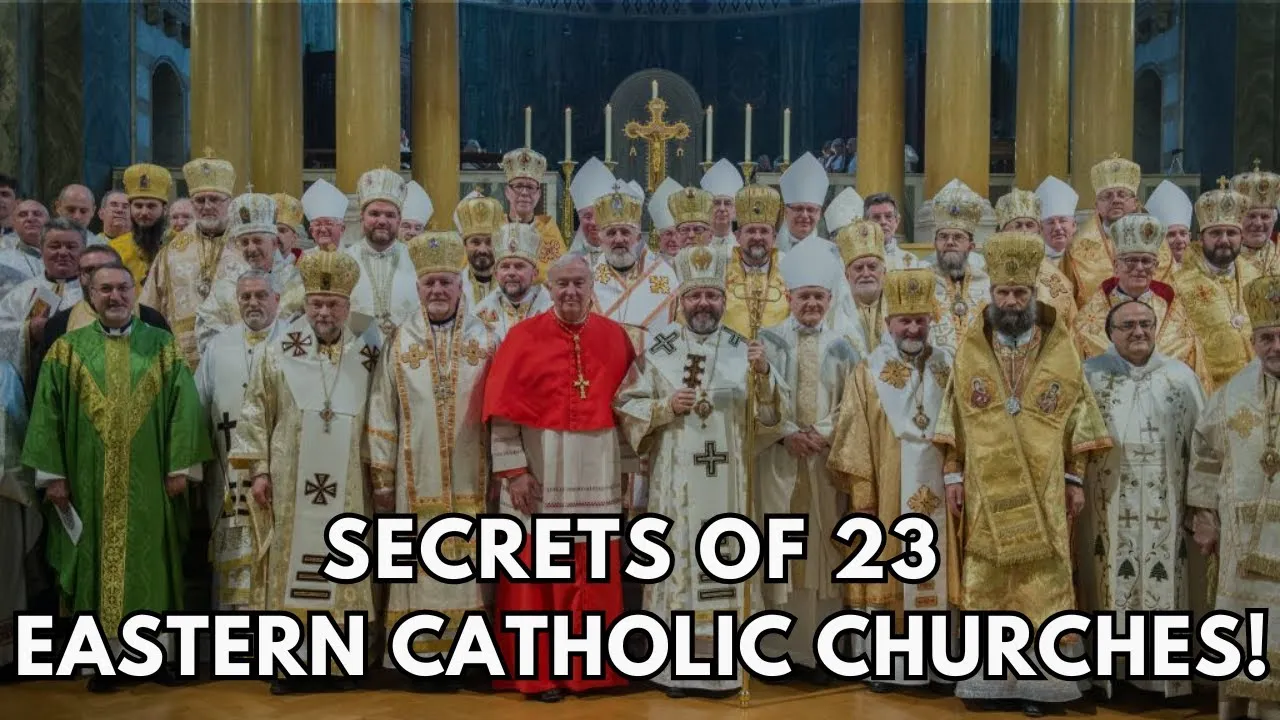
The Catholic Church is often perceived as solely the Latin Church, to which the majority of Catholics belong. However, it also encompasses 23 Eastern Catholic Churches, each with its own rich history and traditions.
These Eastern Churches trace their origins to ancient Christian communities in the Middle East, Eastern Europe, Africa, and India. They maintain their own liturgical languages, spiritualities, and ecclesiastical structures, distinguishing them from the Latin Church.
For instance, the Coptic Catholic Church, rooted in the ancient Church of Alexandria, is present primarily in Ethiopia. It celebrates the liturgy according to the Ethiopian Alexandrian rite, known for its strong biblical symbolism and unique traditions.
The Eastern Catholic Churches are organized into five major liturgical traditions: Alexandrian, Antiochene, Armenian, Chaldean, and Byzantine. Among them are well-known Churches such as the Maronite Church of Lebanon and the Ukrainian Greek Catholic Church.
These Churches operate through a robust synodal system, unlike the often hierarchical structure of the Latin Church. They have endured persecution, war, and mass emigration, often existing as minorities in predominantly Islamic or Orthodox countries.
All 23 Eastern Catholic Churches are in full communion with the pope, the successor of St. Peter, ensuring their integration within the broader Catholic Church.
The preservation of these ancient traditions within the Catholic Church highlights the diversity and richness of Christian heritage across different regions and cultures.
What this adds
This report confirms the existence and characteristics of the 23 Eastern Catholic Churches, aligning with prior WarpBeat coverage and Wikipedia entries.
Background
However, the Catholic Church is actually composed of 24 autonomous Churches: the Latin Church and 23 Eastern Catholic Churches, which trace their origins to ancient Christian traditions in the Middle East, Eastern Europe, Africa, and India.
The Eastern Catholic Churches or Oriental Catholic Churches, also known as the Eastern-Rite Catholic Churches, Eastern Rite Catholicism, or simply the Eastern Churches, are 23 Eastern Christian autonomous particular churches of the Catholic Church in full communion with the pope in Rome.
What's confirmed
- When the Catholic Church is mentioned, many think exclusively of the Latin Church, to which the vast majority of the world's Catholics belong.
- Unlike the practice often found in the Latin Church, many Eastern Churches operate through a robust synodal system.
- The Coptic Catholic Church has its roots in the ancient Church of Alexandria, founded according to tradition by St. Mark the Evangelist.
- It is present primarily in Ethiopia and celebrates the liturgy according to the Ethiopian Alexandrian rite, which is characterized by strong biblical symbolism and numerous distinctive traditions.
- However, the Catholic Church is actually composed of 24 “sui iuris” or autonomous Churches: the Latin Church and 23 Eastern Catholic Churches, which are heirs to the ancient Christian traditions of the Middle East, Eastern Europe, Africa, and India.
- These Churches have preserved their own liturgical languages, spiritualities, disciplines, and forms of ecclesiastical organization.
- Others maintain traditions that date back to the early communities founded by the apostles.
- All of them are in full communion with the pope, the successor of St.
- The Eastern Catholic Churches stem from five major liturgical traditions: Alexandrian, Antiochene, Armenian, Chaldean, and Byzantine.
- Among them are well-known Churches such as the Maronite Church of Lebanon, the Ukrainian Greek Catholic Church, the Syro-Malabar Church of India, and the Coptic Catholic Church of Egypt.
- Many exist as minorities in countries where Islam or Orthodox Churches predominate, and several have endured persecution, war, or mass emigration.
- One of the most distinctive characteristics of these Churches is their internal organization.
What's still developing
- Nothing material beyond the confirmed record.