
Home · Business · Sep 19 archive
Agricultural exports to energy transition: States, Finance Minister discuss Viksit Bharat goal
Confirmed
In Short: The Union finance ministry held a two-day conference titled 'Financing India’s Journey towards Viksit Bharat' to discuss financing priorities for India’s development journey, including the implications of goods and services tax (GST) reforms, agricultural transformation, and the energy transition.
Union finance and corporate affairs minister Nirmala Sitharaman was present at the conference, which brought together state finance ministers and finance secretaries.
The conference aimed to deliberate on policy complementarities between the Centre and states, as well as financing challenges and policy priorities for India’s development journey.
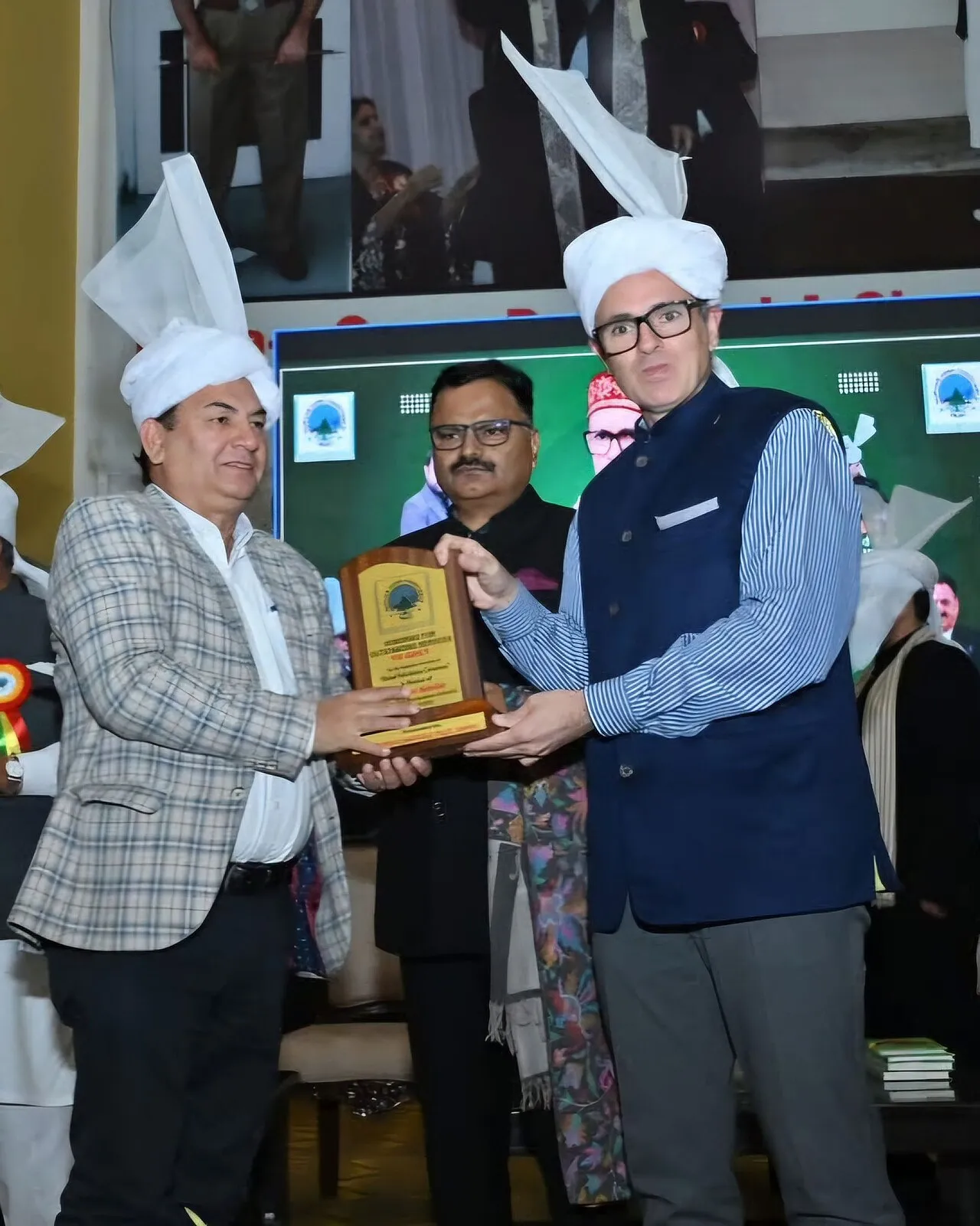
Chief Minister Omar Abdullah of Jammu and Kashmir attended the conference, noting its importance in shaping strategies for long-term growth and development.
The discussions covered key themes such as the macroeconomic outlook, financing agricultural transformation, and financing the energy transition.
Experts and economists highlighted the export and growth potential of India, emphasizing the need for specialized products and quality assurance to boost exports.
States like Uttar Pradesh and West Bengal raised specific concerns, including the high cost of renewable energy transition and electricity tariff rates.
Chief Economic Adviser V Anantha Nageswaran stressed the need for significantly greater participation by private capital to mobilize the investment required for Viksit Bharat.
What's confirmed
- Union finance and corporate affairs minister Nirmala Sitharaman will also be present, the ministry said.
What's still developing
- The conference, titled “Financing India’s Journey towards Viksit Bharat”, comes ahead of the 7 October meeting of the GST Council and the formal start of pre-budget meetings for the Union Budget 2027-28 from 12 October.
- The implications of GST 2.0 for states will be among the issues discussed at the conference, making it particularly relevant ahead of the GST Council’s October meeting, it said.
- The conference will therefore provide a forum for discussions on how the GST changes affect state finances, alongside broader questions around financing development priorities, it said.
- “It will be welcome to see the state and the Centre deliberate on the financing gap as well as newer sources of revenue generation. Financing the energy mix transition, logistics infrastructure, and agricultural infrastructure that are critical to creating jobs in the farm sector is imperative. It will be important for states and the Centre to align on the debt consolidation path and quality of budget expenditure so that while it continues to finance the capital outlays, it does not crowd out private borrowings with excessive borrowings for revenue spends,” he said.
- 57th GST Council Meeting News, GST Recent News - 2026 The Union finance ministry will hold a two-day conference of state finance ministers and finance secretaries beginning Friday.
- The timing is significant for states as they prepare their own budgetary and financing priorities while the Centre works on the next Union budget.
- The timing is also significant as the Centre and states seek to balance development spending with fiscal consolidation.
- The discussions provided insights into the challenges ahead while highlighting the opportunities before India in its journey towards becoming a Viksit Bharat Save my name, email, and website in this browser for the next time I comment.
- Segmented land holdings, potential for higher agricultural exports, strain from gold holdings and imports, issues with logistical connectivity, focus on state-specific data collection and supply-chain constraints, also featured in the discussions as states and experts from academia and industry sat down for a brainstorming session on the journey ahead for the next two decades, three people aware of the discussions told The Indian Express.
- For instance, Uttar Pradesh is learnt to have raised the high cost of the transition towards renewable energy and the need for more funds, while for West Bengal, which primarily relies on thermal power, the key concern was regarding the electricity tariff rates for industry players that cannot be lower than its neighbouring state that may be relying more on renewable power and offering a better tariff to the industry due to lower operational cost, a person aware of the discussions said.
- It was also discussed that to boost exports, the focus needs to be on specialised products and ensuring quality, a state government official who attended the meeting said.
- “There is room to scale up low-skill jobs for packers, sorters, graders and workers in the transport sector. It was discussed that mid-skill jobs can be targeted for ITI degree or food science degree holders, focusing on young men and women mostly from villages within 50-100 km of the factory,” another official said.