
Home · Business · Sep 18 archive
Gold Prices Rise Amid Falling Oil Prices
Confirmed
In Short: Gold prices are climbing near $4,360 per ounce as oil prices decline, easing inflation concerns and pushing bond yields lower.
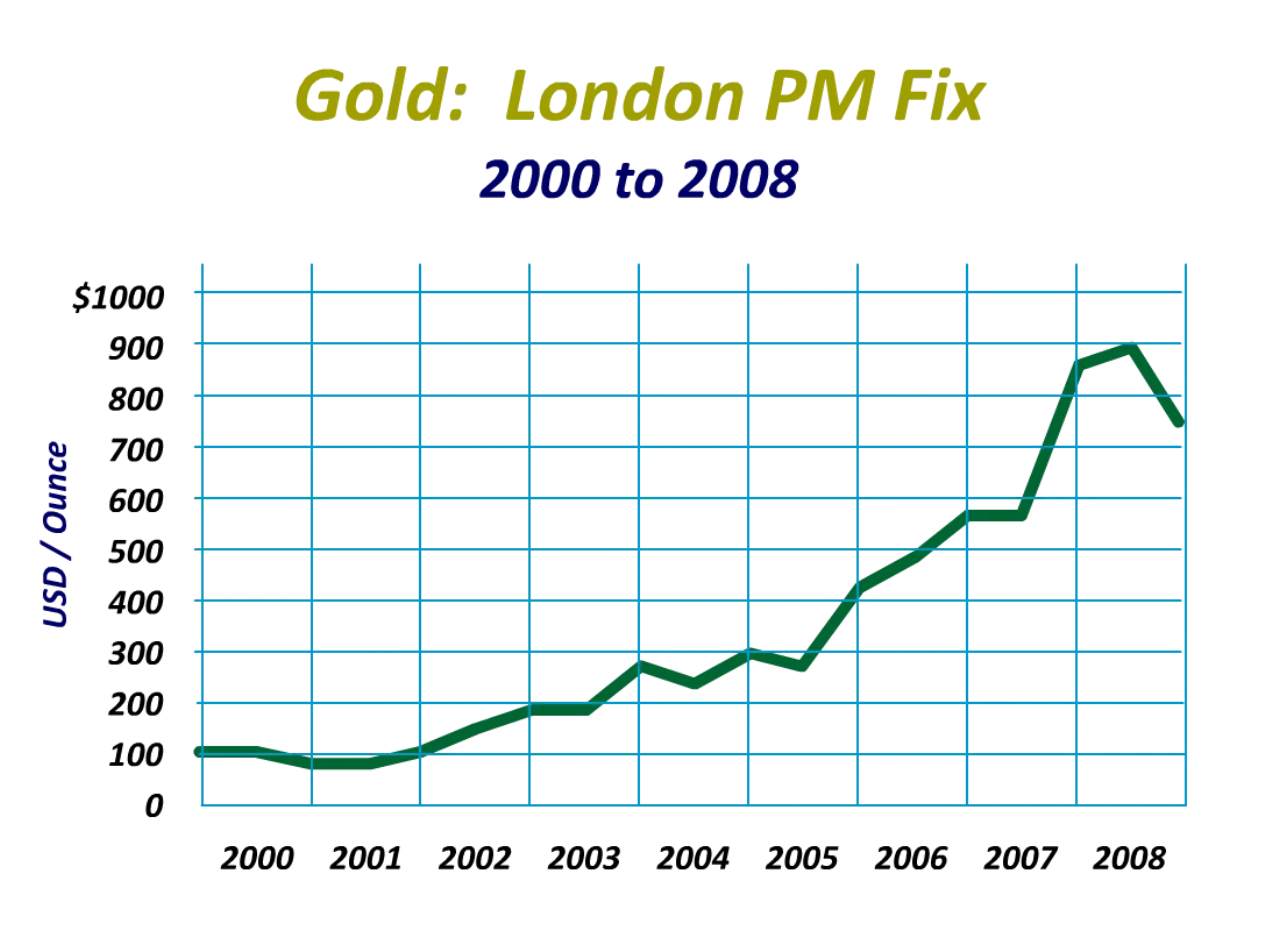
Gold prices are climbing near $4,360 per ounce as oil prices decline, easing inflation concerns and pushing bond yields lower. The precious metal has found support from falling oil prices, which have helped ease inflation concerns and pushed bond yields lower.
Oil prices have declined for a third consecutive session as Saudi Arabia works to restore supplies through the East-West pipeline. US Treasury yields have also retreated from multi-year highs, with the yield on the 10-year Treasury falling to 4.93% after briefly moving above 5% earlier this week.
Markets are currently estimating a 53% probability of another rate increase as early as October, according to the Fed’s signals that further tightening may be necessary to bring inflation under control. Meanwhile, gold prices in India remained largely unchanged, with 24-carat gold priced at ₹1,53,240 per 10 grams and silver at ₹2,34,650 per kg.
In the UAE, 24-karat gold is trading at Dh521.25 per gram, an increase of Dh3.75 overnight. While 22-karat gold is also trading higher at Dh 482.50 per gram, gold prices in India are influenced by several factors, including the international gold price, the exchange rate of the US Dollar, and domestic jewellery demand, especially ahead of the festive season.
Gold prices have been volatile, with the precious metal down more than 3% in September after trading above $4,700 an ounce in late August. However, gold prices recovered on Thursday, rising more than 1% to around $4,310 an ounce, while silver also gained.
What's confirmed
- Gold is trading near 4,360 USD per ounce on Friday after gaining almost 2% in the previous session.
- The precious metal has found support from falling oil prices, which have helped ease inflation concerns and pushed bond yields lower.
- This remains a risk factor for gold, although lower oil prices and falling Treasury yields are providing temporary support.
- Oil prices have declined for a third consecutive session as Saudi Arabia works to restore supplies through the East-West pipeline.
What's still developing
- Markets are also focusing on Donald Trump’s meeting with Gulf leaders scheduled for next week.
- On the H4 XAU/USD chart, the market formed a consolidation range around 4,304.
- A downward move towards 4,234 and a subsequent rebound towards 4,381 have now been completed.
- US Market | Dow Jones Highlights: US stocks ended sharply higher on Thursday, led by technology shares, as easing oil prices and lower Treasury yields helped investors look past the Federal Reserve’s rate hike.
- Highlighting the “brisk” growth in India’s non-oil and non-gold exports, which form the core of its exports, Chief Economic Adviser (CEA) V Anantha Nageswaran said exports are benefiting from free trade agreements (FTAs), export diversification and “possibly rising competitiveness”.
- Devendra Kumar Pant, Chief Economist, India Ratings, said that non-oil, non-gold exports have done well in the quarter.
- “Input prices have gone up. Now the problem for exporters would be the margins. On higher margins, exporters would not be competitive, or the importers won’t give the price which will protect exporters’ margins. So they will be forced to lower margins. Export figures will not show the dip in profitability,” Pant said.
- Despite higher freight rates arising from logistical disruptions and a surge in input prices, exports during the April to June quarter of the ongoing financial year, which coincided with the closure of the Strait of Hormuz, also registered 15% growth.