
Home · Science · Sep 17 archive
European Ash Pangenome Could Aid Resistance to Ash Dieback
Confirmed
In Short: A new genetic resource for European ash trees could help breed trees naturally resistant to ash dieback, a fungal disease that has devastated populations in the UK.
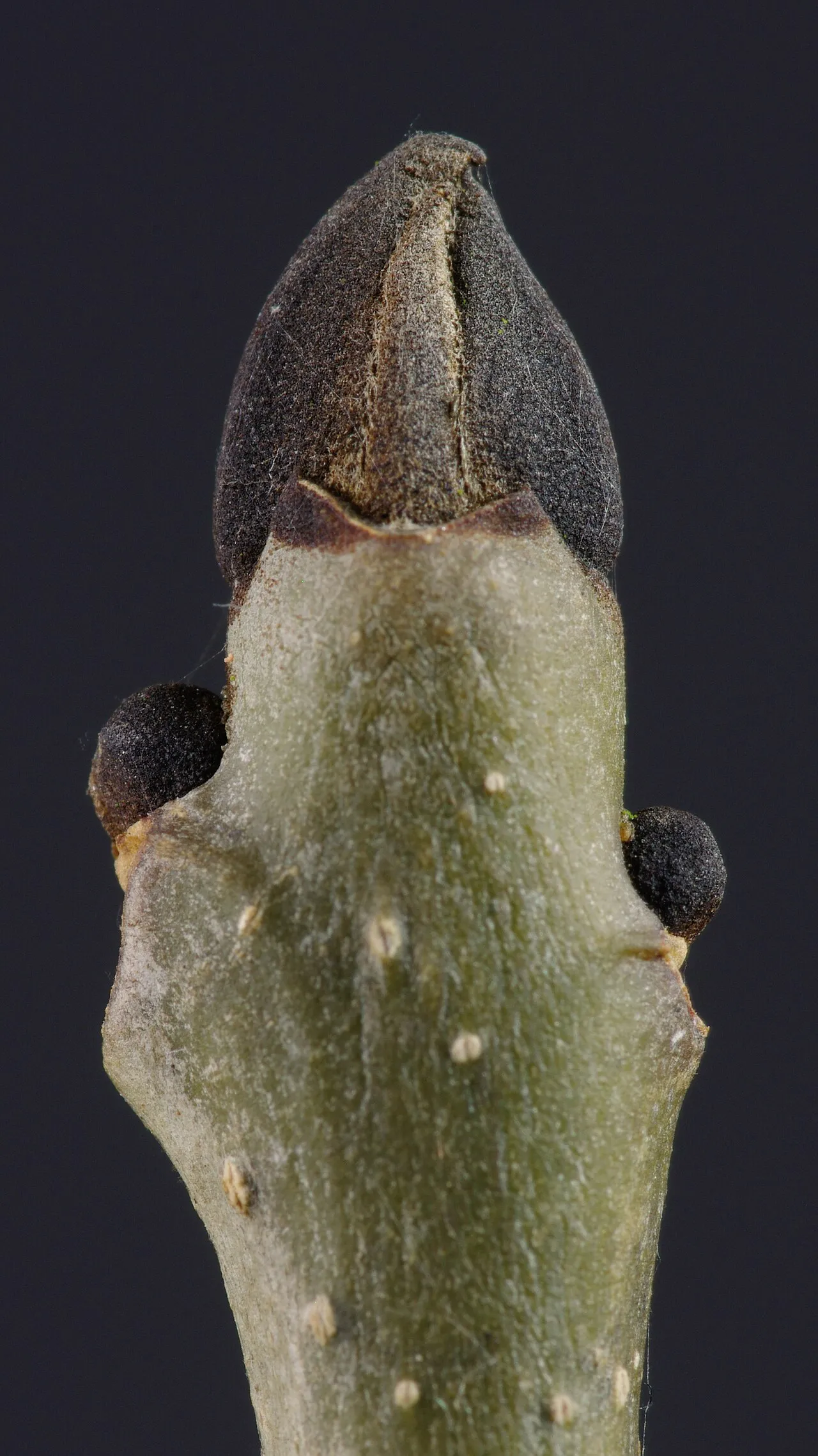
Ash dieback, first detected in the UK in 2012, has killed millions of trees and remains a major concern. "This new genetic resource could enable researchers to more accurately predict which trees are likely to be genetically shielded against the disease," the spokesperson added.
The pangenome, constructed from a group of 50 diverse trees, was used to analyze a genomic dataset from over 1,000 trees. "Only a tiny proportion of trees (as low as 0.5 per cent) remain healthy after long-term disease exposure," noted the researcher.
What's confirmed
- Ash dieback, first detected in the UK in 2012, has killed millions of trees and remains a major concern. "This new genetic resource could enable researchers to more accurately predict which trees are likely to be genetically shielded against the disease," the spokesperson added.
- The pangenome, constructed from a group of 50 diverse trees, was used to analyze a genomic dataset from over 1,000 trees. "Only a tiny proportion of trees (as low as 0.5 per cent) remain healthy after long-term disease exposure," noted the researcher.
What's still developing
- They found 211 genes with possible links to ash dieback resistance, 16 of which were dispensable, meaning they were only present in some individual trees and not across the board.
- A traditional genome assembly approach only captures information from a single individual – only a pangenome allows dispensable genes to be identified.
- Researchers from Royal Botanic Gardens, Kew, Forest Research and other collaborating organisations identified more than 3,400 genes as being dispensable across the trees sampled; while only representing 9 per cent of all genes, these may play a critical role in determining differences between individuals.
- A pangenome captures the full range of genes found across multiple individuals of a species rather than relying on a single reference genome.
- Last year, researchers from Kew and Queen Mary University of London found that a young population of ash trees in an East Surrey woodland were evolving resistance to the disease, demonstrating Charles Darwin’s theory of natural selection in action.
- A NEW genetic resource for European ash could help scientists identify and breed trees naturally resistant to ash dieback.
- Researchers have this week presented the first-ever European ash (Fraxinus excelsior) pangenome, using high-quality DNA to aid research into natural resistance to the fungal disease.
- (Image: Mohammad Vatanparast) Unlocking these data could enable researchers to more accurately predict which trees are likely to be genetically shielded against ash dieback disease, caused by the fungus Hymenoscyphus fraxineus, and could be used to help breed resistant populations by helping to identify the most promising trees from their genetic code alone.