
Home · World · Sep 15 archive
Congo Protests Against Constitutional Changes Turn Violent as Police Crack Down
Confirmed
In Short: Protests against President Felix Tshisekedi's proposed constitutional changes, which could allow him a third term, turned violent in the Democratic Republic of the Congo as police used tear gas to disperse demonstrators in Kinshasa.
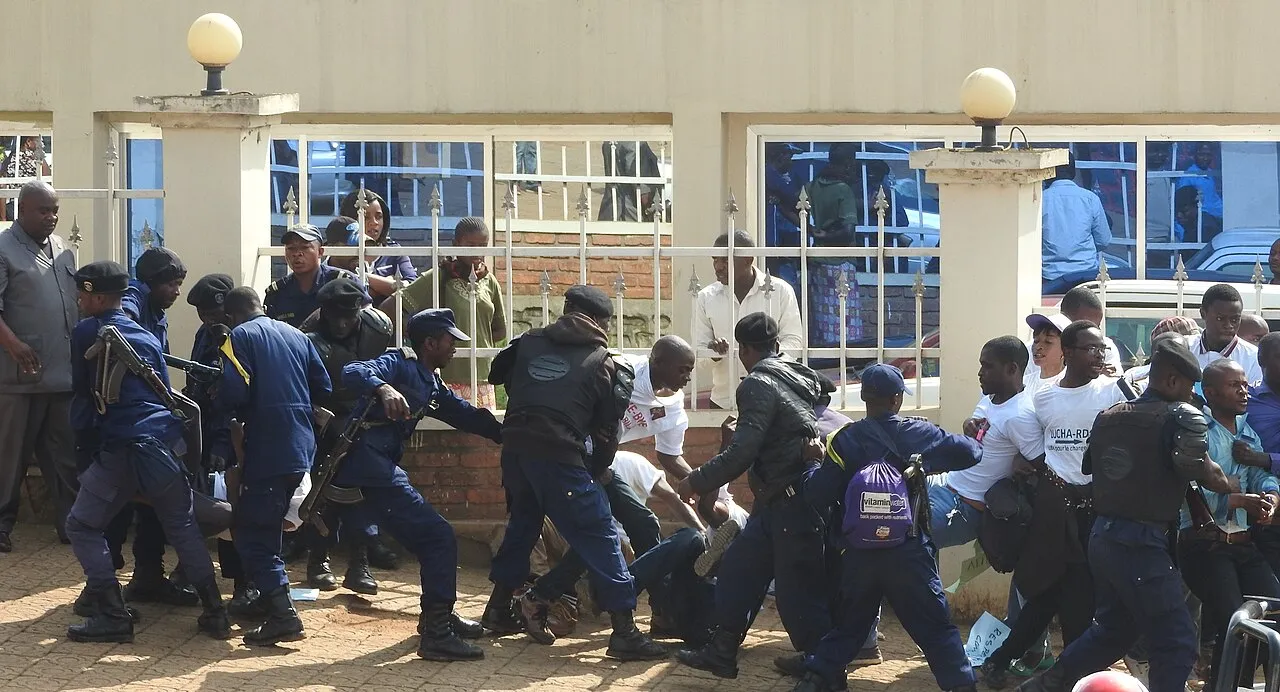
Protests against President Felix Tshisekedi's proposed constitutional changes, which could allow him a third term, turned violent in the Democratic Republic of the Congo as police used tear gas to disperse demonstrators in Kinshasa. The protests, organized by the 'C64' coalition, were part of a nationwide day of action against the changes, which critics fear could undermine the country's stability.
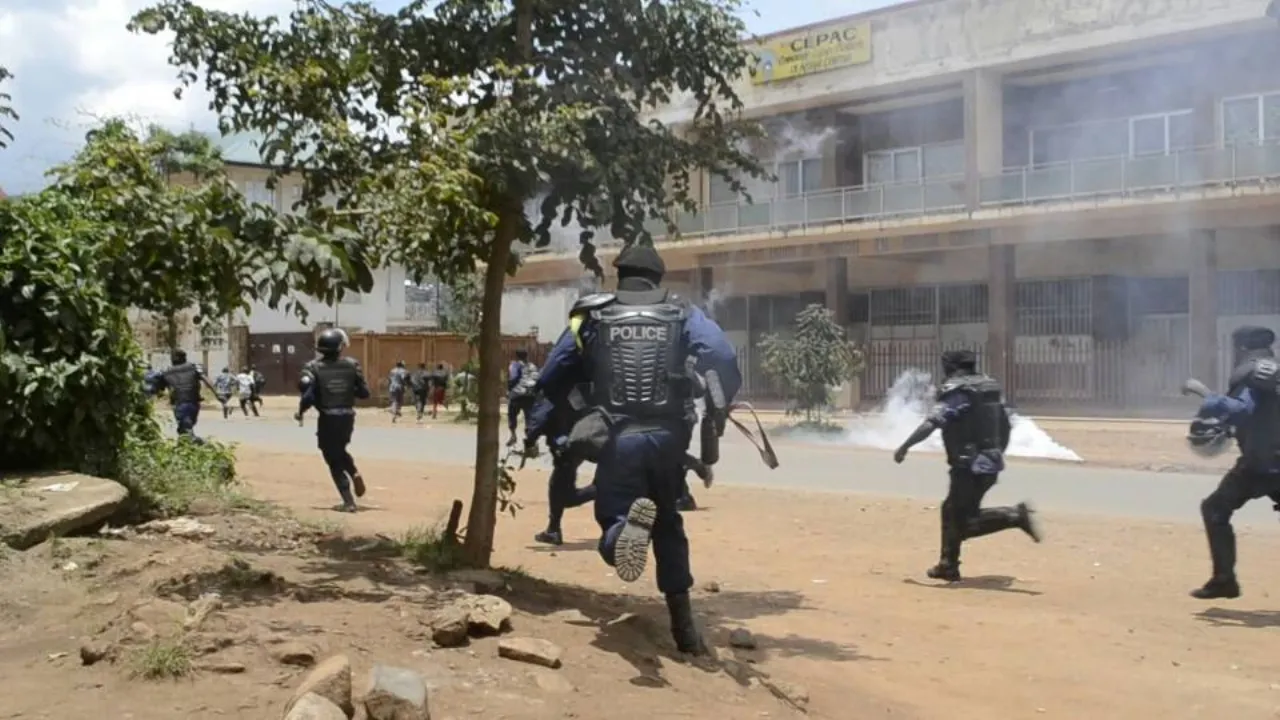
The demonstrations in Kinshasa began peacefully but were dispersed by police with tear gas and warning shots after protesters clashed with pro-government supporters. Similar protests were held in other cities, including Lubumbashi and Kindu, despite restrictions on mass gatherings due to the Ebola outbreak.
Opposition leader Martin Fayulu accused the Congolese state of working with a political party militia, while the C64 coalition called the proposed changes a 'serious threat' to the country's stability. Despite these concerns, Congo's parliament has adopted a bill allowing constitutional changes to be put to a referendum, with Tshisekedi's coalition backing the changes.
The protests come amid multiple crises in Congo, including an Ebola outbreak and an escalation of the decades-long conflict with the Rwanda-backed M23 rebels. The Congolese Constitution currently limits presidential terms to two five-year increments, but the proposed changes could allow Tshisekedi to remain in office beyond his current term.
What's confirmed
- Police fired tear gas as hundreds of people protested in the capital Kinshasa on Tuesday against proposed constitutional changes that critics worry could allow President Felix Tshisekedi to seek a third term in power.
- The protest in Kinshasa drew hundreds of people and began peacefully, but was dispersed by police with tear gas and warning shots after protesters clashed with pro-government supporters.
- “The Congolese state is working with a political party militia,” said opposition leader Martin Fayulu.
- The coalition has called the proposed changes a “serious threat” to the country’s stability.
- The opposition coalition C64 organized demonstrations in the capital, Kinshasa, and several other cities, including Lubumbashi and Kindu in eastern Congo, despite restrictions on mass gatherings imposed due to the fast-spreading Ebola outbreak.
- Police also dispersed a June rally in Kinshasa that C64 organized against the constitutional changes.
- Congo is plagued by multiple crises, including an Ebola outbreak and an escalation of the decades-long conflict with the Rwanda-backed M23 rebels, one of more than 100 armed groups vying for control in the eastern provinces.
- The Congolese Constitution bars any revision of presidential term limits.
What's still developing
- “We were taken aback by the large deployment of the army and police to prevent this peaceful demonstration,” he said.
- However, the provincial police commander, General Blaise Kilimbalimba, insisted that “peaceful” demonstrators had not been arrested.
- You are about to be charged £0.00 * Labour scolds police over Dover and Portsmouth anti-migrant protest It comes as a 42-year-old man has become the first to be arrested as part of an investigation into violent disorder in Portsmouth last weekend Protesters wearing face coverings at protests planned in Portsmouth this weekend could be arrested under new policing powers, Hampshire Police has said.