
Home · Politics · Sep 14 archive
Immigration Detention Center 'Alligator Alcatraz' Criticized for Cramped Conditions
Confirmed
In Short: A report by the Department of Homeland Security's inspector general found that detainees at 'Alligator Alcatraz' in Florida were confined to small metal enclosures, raising health and safety concerns.
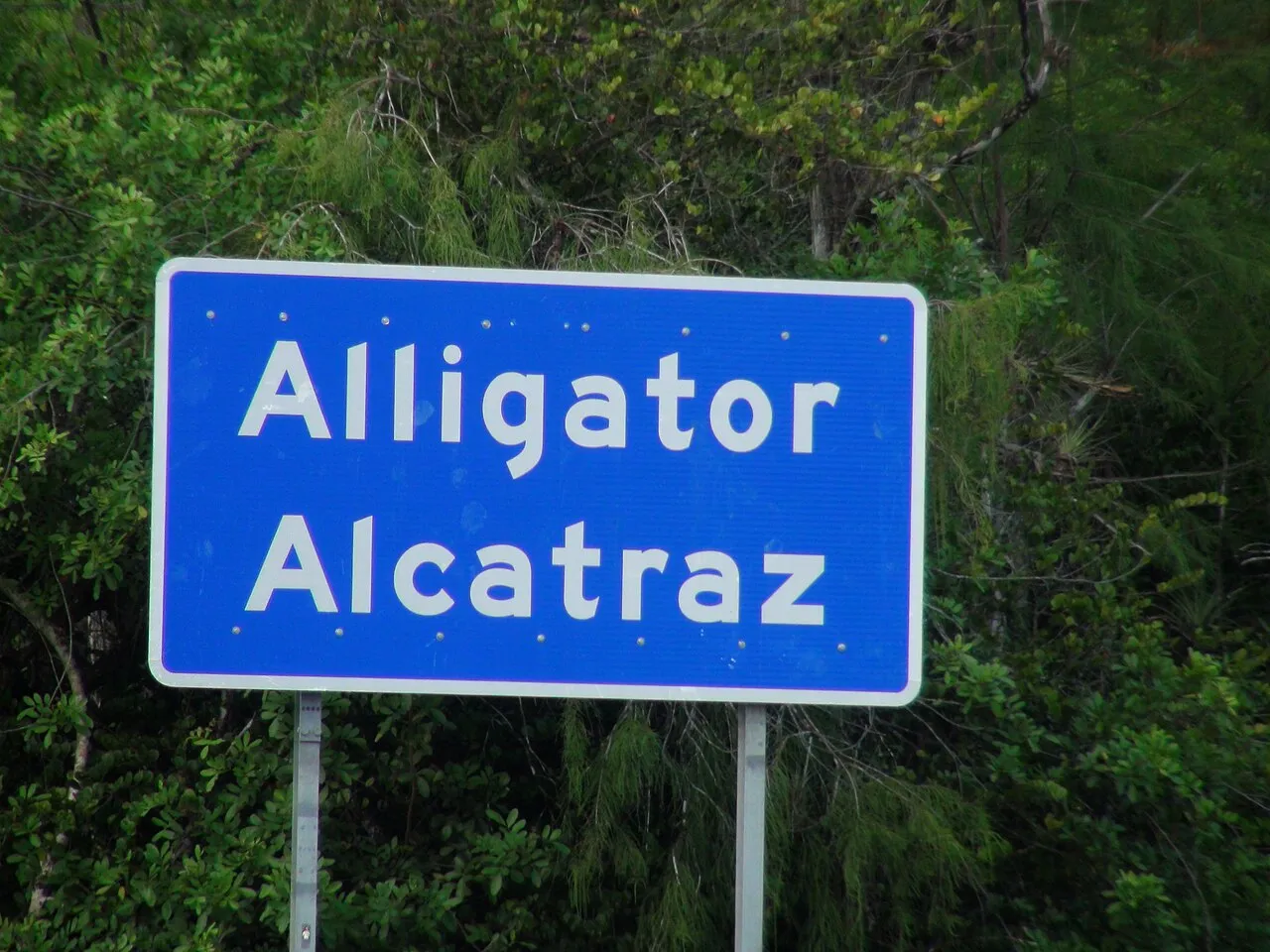
According to a report published Monday by the Department of Homeland Security's inspector general, some detainees at the 'Alligator Alcatraz' immigration detention facility in Florida were confined to small metal enclosures, presenting significant risks to their health and safety. The enclosures, each measuring 18 square feet, were described as 'calming areas' by facility staff, but detainees spent most of their time in these cramped spaces, with only limited access to recreation and showers.
The facility, which was operational for less than a year, cost $1.2 million per day to operate, and was criticized for not complying with federal corrections standards related to detainee food service, personal hygiene, medical care, and recreation. Detainees did not have access to clean drinking water, and the facility did not meet the required minimum space per detainee, with 28 square feet provided at maximum capacity.
What's confirmed
- In a report published Monday, the Department of Homeland Security's inspector general found that some detainees of the "Alligator Alcatraz" immigration detention facility in Florida were confined to small metal enclosures, presenting "significant risks" to their health and safety.
- The metal enclosures had a total of 18 square feet of floor space, according to the DHS inspector general, which amounts to a little more than 4 feet by 4 feet.
- There was a "grey area" regarding who actually operated the facility and which standards employees were supposed to follow, according to the report.
- Detainees did not have access to clean drinking water and could not clean up their plastic cups, and some detainees told the inspector general the water was dirty, the report said.
- "At maximum capacity, the FSSF housing units provided 28 square feet per detainee -- well below the required minimum. Detainees spent most of their time in the housing units," the report said of the facility, adding that detainees could only leave their housing units for meals, showers, recreation and medical reasons.
- Alligator Alcatraz, which was operational for less than a year, cost $1.2 million per day to operate, according to an ABC analysis of documents obtained by an advocacy center.
- In total there were 79 people held in the space and on average they spent just under an hour.
- "Alligator Alcatraz" was rolled out with much fanfare by the Trump administration, including then-Secretary of Homeland Security Kristi Noem, who promised that Florida officials would be repaid for standing up and operating the facility through FEMA money.
What's still developing
- It also found that detainees were given one hour of recreation time three days per week, and were able to shower on Mondays, Wednesdays and Fridays.
- The report noted that ICE's standards call for detainees to have at least six hours of recreation time per week, or at least one hour a day for five days a week, and Florida's standards require daily access to showers.
- It recommended removing them. (All of the inspector general's recommendations were closed out because the facility ceased operations.) Staff told inspectors that detainees "asked to spend time in the small metal enclosures" in order to have time alone, and the doors were left unlocked.
- In assessing Alligator Alcatraz, OIG said it looked at both Florida state jail standards and ICE's national standards, and applied whichever was more restrictive.
- "Alligator Alcatraz was consistent with the same federal detention standards employed by previous administrations, including Biden and Obama," a DHS spokesperson told CBS News in a statement Monday.
- Updated on: September 14, 2026 / 7:00 PM EDT / CBS News The Department of Homeland Security's internal watchdog is sharply criticizing conditions at the Florida immigration detention center dubbed "Alligator Alcatraz," finding that detainees at the now-closed facility were held in "cramped conditions" — in dozens of cases, people were held for up to two hours in 18-square-foot enclosures.