
Home · Business · Sep 14 archive
Beyond the CPI: The Complete Inflation Story
Confirmed
In Short: Inflation is more complex than the Consumer Price Index (CPI) suggests, with central banks using various tools to manage monetary policy, according to experts.
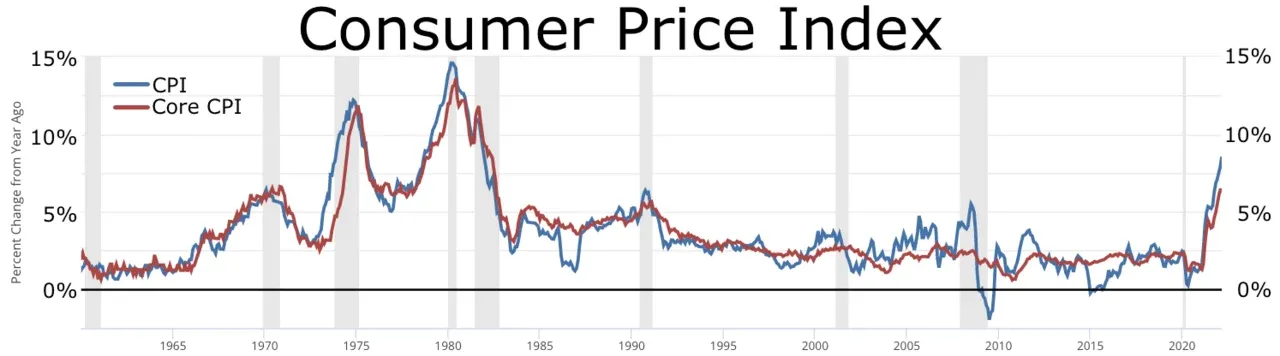
While the Consumer Price Index (CPI) tracks price inflation, it doesn’t fully capture the broader monetary inflation story, experts say. Policymakers and economists use CPI data to gauge current inflation, but relying solely on it is like looking at just the temperature to understand the weather, according to reports.
The Federal Reserve, despite claims of fighting inflation, is running quantitative easing operations to create artificial demand for Treasuries and keep yields low, according to FXStreet. This monetary policy is seen as a form of easing, even as the Fed claims to be tackling inflation.
‘Signals are pointing to broad inflationary pressure beyond one-off energy and tariff shocks,’ said William Dickens, a university distinguished professor emeritus of economics and public policy. The Fed, under Chair Kevin Warsh, may risk political backlash to address these concerns.
The CPI measures a symptom of monetary inflation, reflecting past inflation that has already affected the economy, but it can’t predict future trends. To understand the complete inflation story, one must look at money supply metrics, according to FXStreet.
What's confirmed
- While the Consumer Price Index (CPI) tracks price inflation, it doesn’t fully capture the broader monetary inflation story, experts say. Policymakers and economists use CPI data to gauge current inflation, but relying solely on it is like looking at just the temperature to understand the weather, according to reports.
- The Federal Reserve, despite claims of fighting inflation, is running quantitative easing operations to create artificial demand for Treasuries and keep yields low, according to FXStreet. This monetary policy is seen as a form of easing, even as the Fed claims to be tackling inflation.
- ‘Signals are pointing to broad inflationary pressure beyond one-off energy and tariff shocks,’ said William Dickens, a university distinguished professor emeritus of economics and public policy. The Fed, under Chair Kevin Warsh, may risk political backlash to address these concerns.
- The CPI measures a symptom of monetary inflation, reflecting past inflation that has already affected the economy, but it can’t predict future trends. To understand the complete inflation story, one must look at money supply metrics, according to FXStreet.
What's still developing
- This monetary inflation will eventually find its way into consumer prices. (It could also manifest in rising asset prices such as real estate and equities.) One reason the money supply is increasing is due to central bank money printing.
- Meanwhile, there is a lot more to the inflation story than the CPI.
- CPI tracks price inflation – more specifically, the change in the price of a basket of goods.
- But historically, inflation was defined as an increase in the supply of money and credit.
- It would also mean that Fed Chair Kevin Warsh, long viewed as an inflation hawk, may be willing to risk the ire of President Donald Trump, who is threatening to halt trade with America’s key partners if the Fed doesn’t cut rates.
- Dickens said the Federal Reserve “will be very concerned” that inflation could become deeply entrenched in the way businesses set prices and workers negotiate wages, making it more persistent than it would otherwise be.
- The study noted that the Fed is less likely to act on monetary policy before a midterm election, but has made moves “on occasion” when confronted with serious economic crises or concerning inflation levels.