
Home · World · Sep 14 archive
An injured colonel, 90 elite soldiers, CIA’s support: What it took to rescue a US pilot from Iran
Confirmed
In Short: US President Donald Trump reiterated his expectation that the Iran war would end this year, while tensions escalated with oil prices spiking and diplomatic meetings postponed.
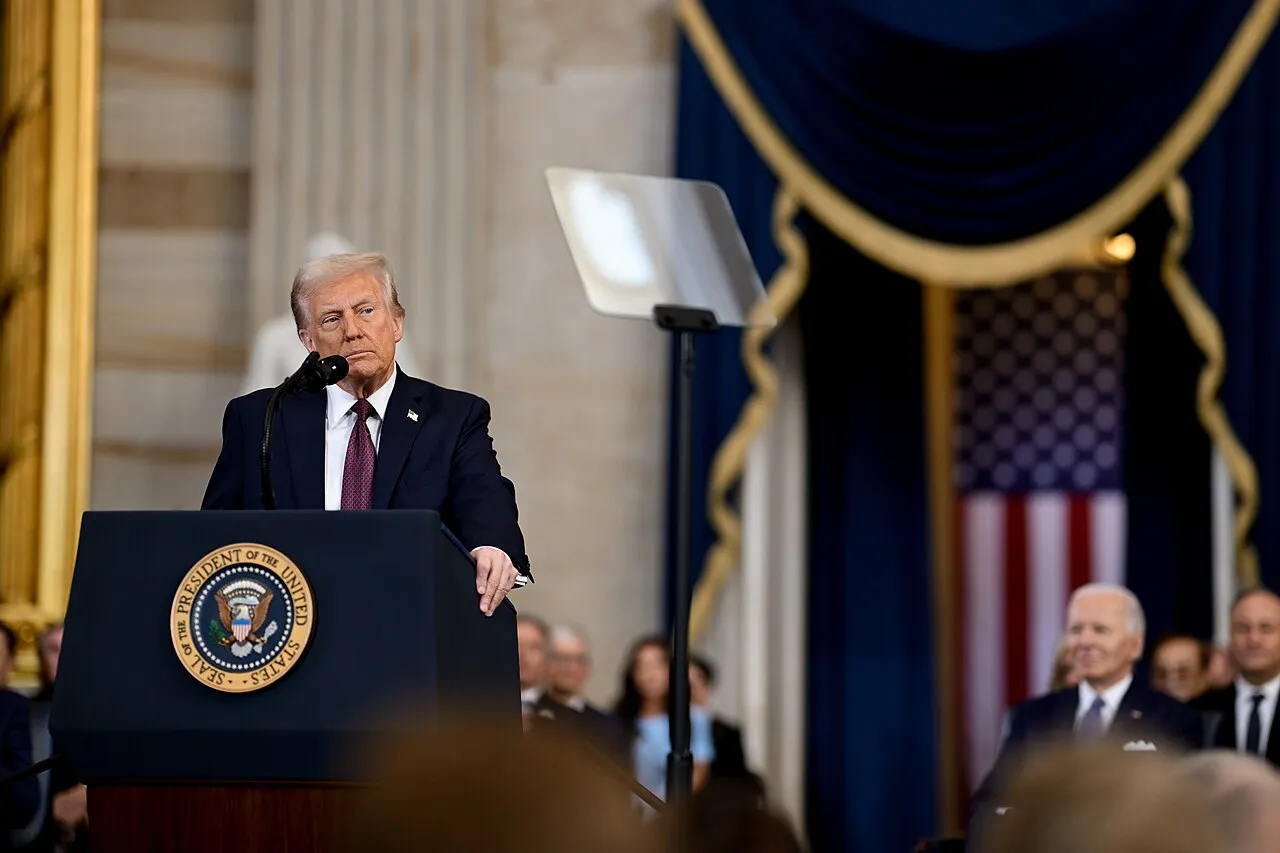
On Monday, crude oil prices surged to one of the highest levels since the US and Israel launched their war on Iran, reaching $107 a barrel. President Trump emphasized his commitment to achieving the "right deal" and drew parallels with the US intervention in Venezuela, suggesting that the US could "keep the oil" in Iran, a move he compared to taking control of a fifth of Venezuela's oil reserves.
Meanwhile, diplomatic tensions continued to rise as Iran and Oman postponed a meeting in Muscat to discuss the management of the Strait of Hormuz. Mohammad Ali Bak, an official in Iran’s foreign ministry, stated that the talks were postponed "at the request of some regional countries." This development comes amid reports of a strike that killed three US troops, which Trump dismissed as a false claim.
The rescue mission for the two pilots involved 90 elite soldiers and CIA support. According to reports, the mission was successful, though one person was killed and three were injured during the operation. The incident underscores the ongoing tensions and the risks involved in the US-Iran conflict.
Trump, during a trip to Ireland for meetings and the Irish Open golf championship, reiterated his expectation that the Iran war would end this year, possibly just after the US midterm elections in November. He also predicted that the price of gasoline would "drop like a rock" once the Iran war concluded. Despite these assurances, the situation remains volatile, with Iran dismissing Trump's claims of peace talks and insisting that it is calling for peace.
The US president introduced another option: staying engaged with Iran. This suggests a potential shift in US strategy, indicating that the administration is considering long-term involvement in the region rather than a quick resolution to the conflict.
What's confirmed
- On Monday, crude oil prices surged to one of the highest levels since the US and Israel launched their war on Iran, reaching $107 a barrel. President Trump emphasized his commitment to achieving the "right deal" and drew parallels with the US intervention in Venezuela, suggesting that the US could "keep the oil" in Iran, a move he compared to taking control of a fifth of Venezuela's oil reserves.
- Meanwhile, diplomatic tensions continued to rise as Iran and Oman postponed a meeting in Muscat to discuss the management of the Strait of Hormuz. Mohammad Ali Bak, an official in Iran’s foreign ministry, stated that the talks were postponed "at the request of some regional countries." This development comes amid reports of a strike that killed three US troops, which Trump dismissed as a false claim.
- The rescue mission for the two pilots involved 90 elite soldiers and CIA support. According to reports, the mission was successful, though one person was killed and three were injured during the operation. The incident underscores the ongoing tensions and the risks involved in the US-Iran conflict.
- Trump, during a trip to Ireland for meetings and the Irish Open golf championship, reiterated his expectation that the Iran war would end this year, possibly just after the US midterm elections in November. He also predicted that the price of gasoline would "drop like a rock" once the Iran war concluded. Despite these assurances, the situation remains volatile, with Iran dismissing Trump's claims of peace talks and insisting that it is calling for peace.
- The US president introduced another option: staying engaged with Iran. This suggests a potential shift in US strategy, indicating that the administration is considering long-term involvement in the region rather than a quick resolution to the conflict.
What's still developing
- "We'll ultimately get out (of Iran), unless we decide to stay and keep the oil like Venezuela," Trump said, adding that the US revenue from Venezuela has "paid for the war many times".
- One person was killed and three injured after an Iranian commercial vessel was struck off Qeshm Island, the largest island in the Persian Gulf that sits on the Strait of Hormuz, state media reported.
- Trump said that he would only make the "right deal" and wouldn't do one that was "no good", adding that Iran was "calling constantly" for peace talks — an assertion that Tehran has dismissed in the past.
- US president Donald Trump brushed aside a report that Iran acquired satellite images of a base in Jordan from Chinese entities before an attack that killed three US troops.
- “At one point when I looked up and saw no parachute, that was the most terrifying thing I’ve ever seen,” the pilot, identified as Bravo, said in an interview with CBS News’ 60 Minutes programme.
- According to Admiral Brad Cooper, the commander of US Central Command leading American forces in the Middle East, cited in the interview, the mission for the two pilots was to conduct a strike on industrial facilities related to Iran’s drone and missile program.
- The missile hit felts like “getting hit by a freight train”, Bravo said, adding the first that the two pilots did everything they could to try to save the fighter jet.