
Home · Science · Sep 13 archive
Fish may be highly sensitive to antidepressants found in water
Confirmed
In Short: The Japanese rice fish, also known as medaka, is a widely used model organism due to its ease of breeding and genetic modification, according to a study by researchers from Tokyo University of Science and Kochi University in Japan.
The findings suggest that these fish are particularly sensitive to antidepressants, which often act on proteins like monoamine transporters that help clear serotonin, dopamine, and norepinephrine from the synaptic cleft.
The study identified and cloned genes encoding monoamine transporters from both fish species, revealing that the SERTa protein is consistently more sensitive to antidepressants than SERTb in both species.
Interestingly, some drugs not typically thought to act on these proteins in humans still affected the fish versions, indicating potential side effects that could not be predicted from human pharmacology alone.
Because the study included two fish species that are only distantly related, the shared sensitivity pattern observed suggests that this heightened vulnerability to antidepressants may extend beyond a single fish species.
The research highlights the importance of understanding how pharmaceuticals designed for human use can affect fish, which also use the same neurotransmitters as humans, including serotonin, dopamine, and norepinephrine, potentially interfering with their biological processes and behavior.
What's confirmed
- The findings suggest that these fish are particularly sensitive to antidepressants, which often act on proteins like monoamine transporters that help clear serotonin, dopamine, and norepinephrine from the synaptic cleft.
- The study identified and cloned genes encoding monoamine transporters from both fish species, revealing that the SERTa protein is consistently more sensitive to antidepressants than SERTb in both species.
- Interestingly, some drugs not typically thought to act on these proteins in humans still affected the fish versions, indicating potential side effects that could not be predicted from human pharmacology alone.
- Because the study included two fish species that are only distantly related, the shared sensitivity pattern observed suggests that this heightened vulnerability to antidepressants may extend beyond a single fish species.
- The research highlights the importance of understanding how pharmaceuticals designed for human use can affect fish, which also use the same neurotransmitters as humans, including serotonin, dopamine, and norepinephrine, potentially interfering with their biological processes and behavior.
What's still developing
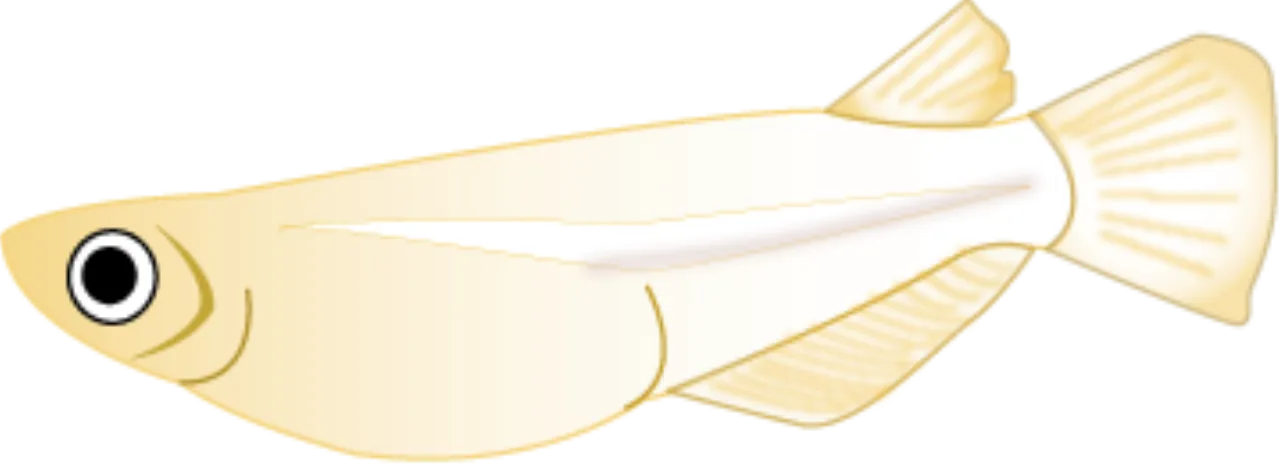
- The Japanese rice fish, also called medaka, is a widely used model organism, as they are easy to breed and genetically modify.
- CREDIT Professor Shinichi Miyagawa from Tokyo University of Science, Japan and Professor Masaru Ihara from Kochi University, Japan Many of the drugs that target human brain chemistry, such as antidepressants, are still biologically active when they leave the body.
- However, observing behavioral changes in exposed fish does not by itself reveal how a given drug caused that effect.
- Although fish possess versions of these proteins, it remains unclear whether they respond to human-targeted pharmaceuticals in a similar way to their human counterparts.
- Moreover, most mechanistic research has focused on a small number of fish species, so scientists are not sure whether pharmaceutical sensitivity is broadly shared across fish.
- To address these questions, a research team led by Professor Shinichi Miyagawa of the Department of Biological Science and Technology, Faculty of Advanced Engineering at Tokyo University of Science, Japan, characterized monoamine transporters from two evolutionarily distinct fish species: medaka ( Oryzias latipes ) and ayu ( Plecoglossus altivelis ).
- When they looked more closely at study quality, they found a telling pattern: the larger the reported benefit of the supplement, the lower the quality of the study tended to be.
- The researchers found no nutraceutical or phytoceutical class that was significantly less tolerable than placebo, although citicoline (a supplement typically used to boost brain function) was associated with more dropouts.