
Home · World · Sep 12 archive
Delhi rolls out red carpet for pezeshkian daughter rashtrapati bhavan to shopping at brics bazaar
Confirmed
In Short: Iranian President Masoud Pezeshkian visited India for the BRICS summit, where he met with Prime Minister Narendra Modi and emphasized Iran's stance against external pressure.
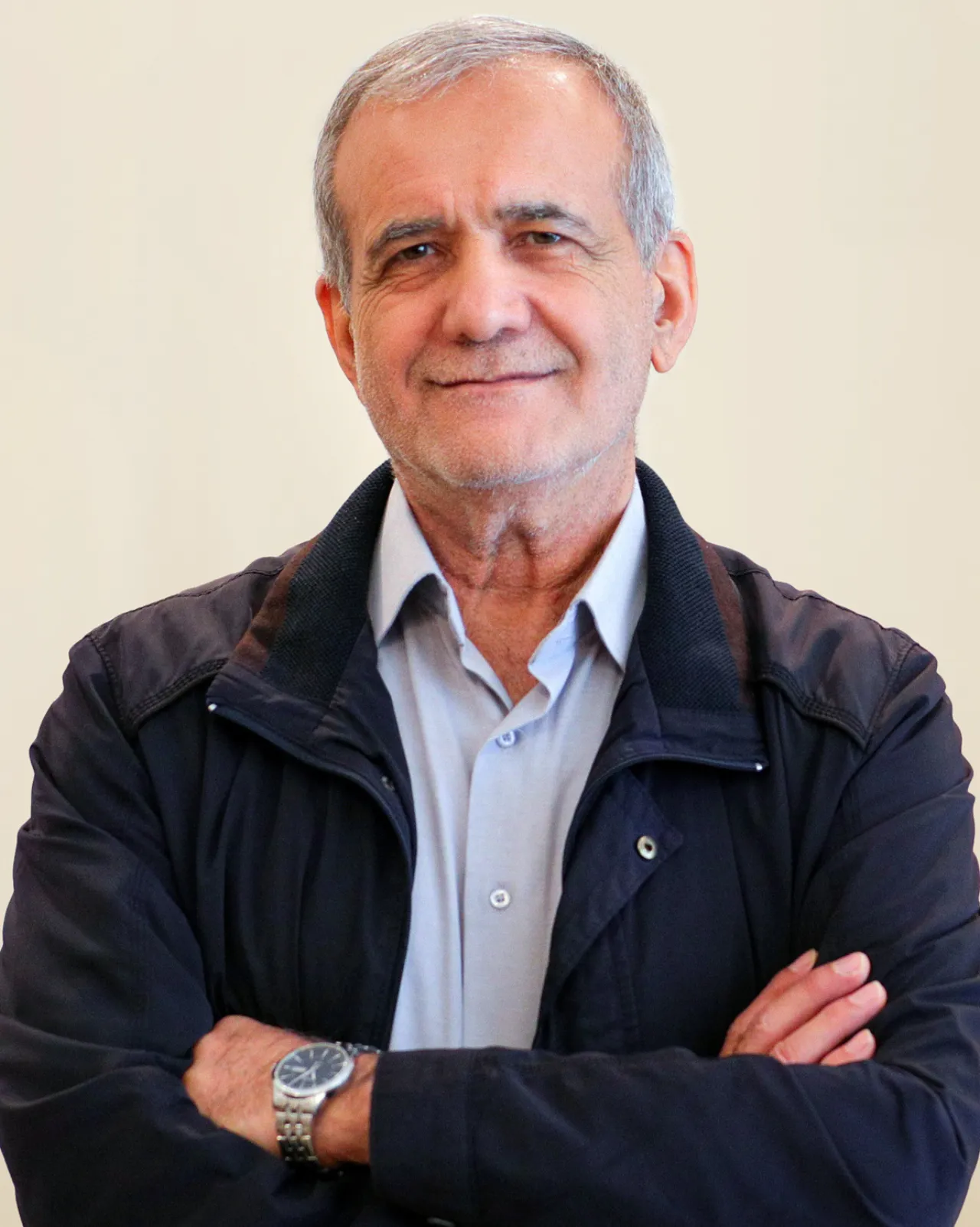
President Masoud Pezeshkian arrived in New Delhi for the BRICS summit, marking his first visit to India. Welcoming him, President Droupadi Murmu of India hosted Pezeshkian, the only dignitary hosted by the Rashtrapati Bhavan during the summit.
During his visit, Pezeshkian held extensive bilateral talks with Prime Minister Narendra Modi. The talks were part of a series of meetings aimed at strengthening ties between the two countries. Ahead of the summit, Pezeshkian's daughter, Zahra, was shown around the BRICS Bazaar at the National Crafts Museum by Union Minister Annpurna Devi.
At the BRICS Bazaar, Pezeshkian expressed his country's refusal to 'kneel' to pressure from the United States and Israel. He emphasized Iran's commitment to maintaining its independence and sovereignty. The event also included a visit by the Iranian Embassy, which hosted representatives from various communities and faiths.
During the BRICS Business Forum, Pezeshkian called for a transition from potential cooperation to operational cooperation within the BRICS framework. He highlighted the importance of transforming the bloc's economic potential into tangible trade, investment, and joint financing. Brazilian Minister of Foreign Affairs Mauro Vieira echoed this sentiment, noting the profound transformations in the global landscape and the growing relevance of BRICS.
Union Minister for Commerce and Industry Piyush Goyal underscored the significant growth in BRICS trade, stating that merchandise exports from BRICS countries to the world increased from about 900 billion dollars in 2003 to nearly 6 trillion dollars in 2024. This growth has raised their share of global exports from about 12% to nearly 24%.
What's confirmed
- President Masoud Pezeshkian arrived in New Delhi for the BRICS summit, marking his first visit to India. Welcoming him, President Droupadi Murmu of India hosted Pezeshkian, the only dignitary hosted by the Rashtrapati Bhavan during the summit.
- During his visit, Pezeshkian held extensive bilateral talks with Prime Minister Narendra Modi. The talks were part of a series of meetings aimed at strengthening ties between the two countries. Ahead of the summit, Pezeshkian's daughter, Zahra, was shown around the BRICS Bazaar at the National Crafts Museum by Union Minister Annpurna Devi.
- At the BRICS Bazaar, Pezeshkian expressed his country's refusal to 'kneel' to pressure from the United States and Israel. He emphasized Iran's commitment to maintaining its independence and sovereignty. The event also included a visit by the Iranian Embassy, which hosted representatives from various communities and faiths.
- During the BRICS Business Forum, Pezeshkian called for a transition from potential cooperation to operational cooperation within the BRICS framework. He highlighted the importance of transforming the bloc's economic potential into tangible trade, investment, and joint financing. Brazilian Minister of Foreign Affairs Mauro Vieira echoed this sentiment, noting the profound transformations in the global landscape and the growing relevance of BRICS.
- Union Minister for Commerce and Industry Piyush Goyal underscored the significant growth in BRICS trade, stating that merchandise exports from BRICS countries to the world increased from about 900 billion dollars in 2003 to nearly 6 trillion dollars in 2024. This growth has raised their share of global exports from about 12% to nearly 24%.
What's still developing
- “Had the opportunity to show them around the Bazaar and share the rich traditions, art, crafts and cultural heritage showcased by BRICS members and partner nations,” she said.
- In fact, among all the visits that happened during the India-hosted BRICS Summit, that of Pezeshkian turned out to be the most consequential, with New Delhi rolling out a red carpet and cementing its ties with the civilisational partner in the wake of the West Asia conflict.
- Add ANI As A Trusted Source For Reliable Information ANI | Updated: Sep 11, 2026 18:24 IST New Delhi [India], September 11 (ANI): Noting that the true strength of BRICS is not confined merely to the size of its members' economics but becomes more apparent when these capacities are transformed into a network of trade, investment and joint financing, Iran ian President Masoud Pezeshkian on Friday called for “a transition from potential cooperation to operational one".
- Speaking at the Leaders' Session of BRICS Business Forum, Masoud Pezeshkian said the world today is going through one of its most complex periods and disruption in supply chains and the increasing use of economic instruments to exert political pressure have made economic environment more complex.
- “From the 1960s to our days, low and middle-income countries' share of the world's GDP rose from 20% to more than 50%. BRICS members today account for 40% of the world's economic output. With its recent expansion, BRICS has consolidated itself as a platform for connecting some of the world's most dynamic and prosperous economies,” he said.
- He said with over 2000 business leaders and delegates from member countries and partners gathered here today, this is the largest BRICS Business Forum ever held.