
Home · Politics · Sep 10 archive
Trumps dividend proposal could add federal deficit analysts say
Confirmed
In Short: President Donald Trump pledged to issue a $5,000 'dividend' to every adult U.S. citizen if Republicans secure majorities in both the House and Senate, though analysts say the plan would add to the federal deficit.
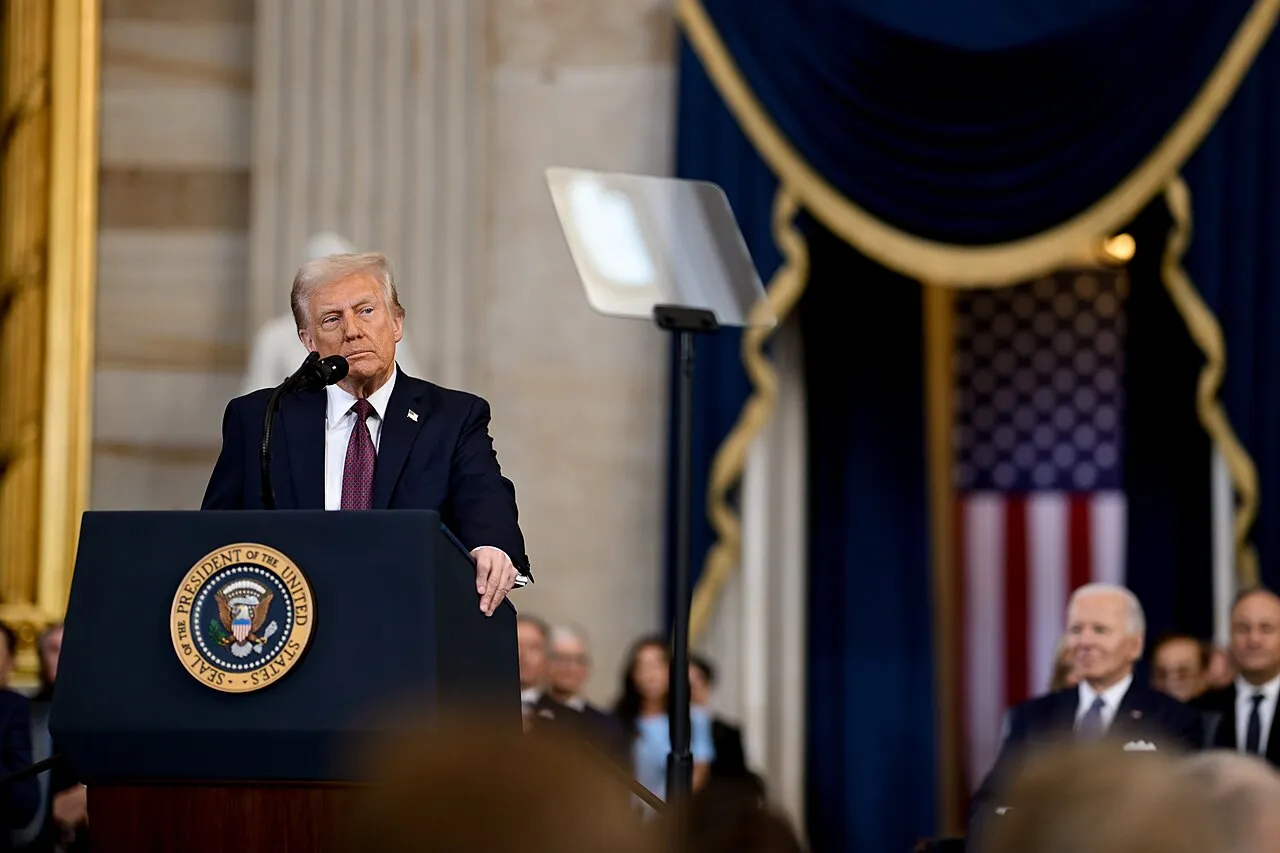
President Donald Trump delivered a speech at the Republican National Committee's midterm convention in Dallas, promising a $5,000 'dividend' to every adult U.S. citizen if the GOP wins control of both chambers. The proposal, dubbed 'Trump Dividends,' is framed as a reward for the nation's economic strength. However, analysts argue that the plan would significantly increase the federal deficit, with one expert estimating the cost at over $1 trillion.
According to reports, the dividends would be funded through tariffs and would require congressional approval. Republican Senator Bernie Moreno of Ohio has pledged to introduce legislation to codify the plan, aiming to pass it immediately after the November 3rd election. Vice President JD Vance appeared to distance himself from the proposal, suggesting the dividends would not go to the wealthy.
However, critics argue that the plan is unrealistic given the current state of the U.S. economy, with the country running $2 trillion annual deficits and $40 trillion in debt. 'It smells very much like a reconciliation issue,' said Senate Majority Leader John Thune. The proposal has faced opposition from Democrats, with Rep. Robert Garcia of California calling Trump 'a known liar.
Trump has previously floated similar dividend plans, including a $2,000 dividend earlier this year. The plan would be legal, according to New Mexico-based attorney John Day, as the payments would go to everyone regardless of their voting behavior. Despite the potential political appeal, the proposal faces significant financial and practical challenges.
What's confirmed
- "That money goes to funding this one-time dividend." Trump floated the plan Wednesday night during the Republicans’ midterm convention in Dallas, where the GOP and several — but not all — vulnerable incumbents and candidates flocked to energize their base and pitch why they should maintain control of Congress.
What's still developing
- "Because of our tremendous strength and success economically, I will issue a dividend to every adult citizen in the United States of America for $5,000," Trump told the crowd, adding that the dividend would have to be spent in the U.S. Trump has previously floated dividend payments to American households, including DOGE and tariff dividends that were discussed last year but weren't enacted.
- ‘The Big Money Show’ panel discusses President Donald Trump's pledge of a $5,000 dividend if the GOP wins the midterms.
- But the money, Moreno told Fox News Digital, wouldn’t come from taxpayers’ coffers.
- He argued that the idea showed the difference between the GOP and Democrats seeking power.
- "Donald Trump is a known liar. This is the biggest liar to ever serve in government, period. And look, the dividend is not happening," Rep. Robert Garcia, D-Calif., told Fox News Digital.
- Bernie Moreno, R-Ohio, plans to introduce legislation that would codify the dividend checks and wants it done as soon as the upcoming midterm elections are over, when the balance of power could tilt in favor of Democrats.
- TRUMP DEFENDS $5,000 DIVIDEND PROPOSAL, PRAISES 'BEAUTIFUL' TARIFFS ON 'INGRAHAM ANGLE' And it can only be spent in the U.S.
- Updated on: September 10, 2026 / 7:34 PM EDT / CBS News President Trump vowed Wednesday to send a $5,000 "dividend" to every American citizen after the midterms, but only if Republicans hold onto control of the House and Senate.