
Home · Science · Sep 10 archive
American Cheetah Was Not a Cheetah, New DNA Evidence Shows
Confirmed
In Short: Genetic studies have revealed that the American cheetah, Miracinonyx trumani, was more closely related to pumas than to true cheetahs, challenging previous assumptions about its evolutionary history.
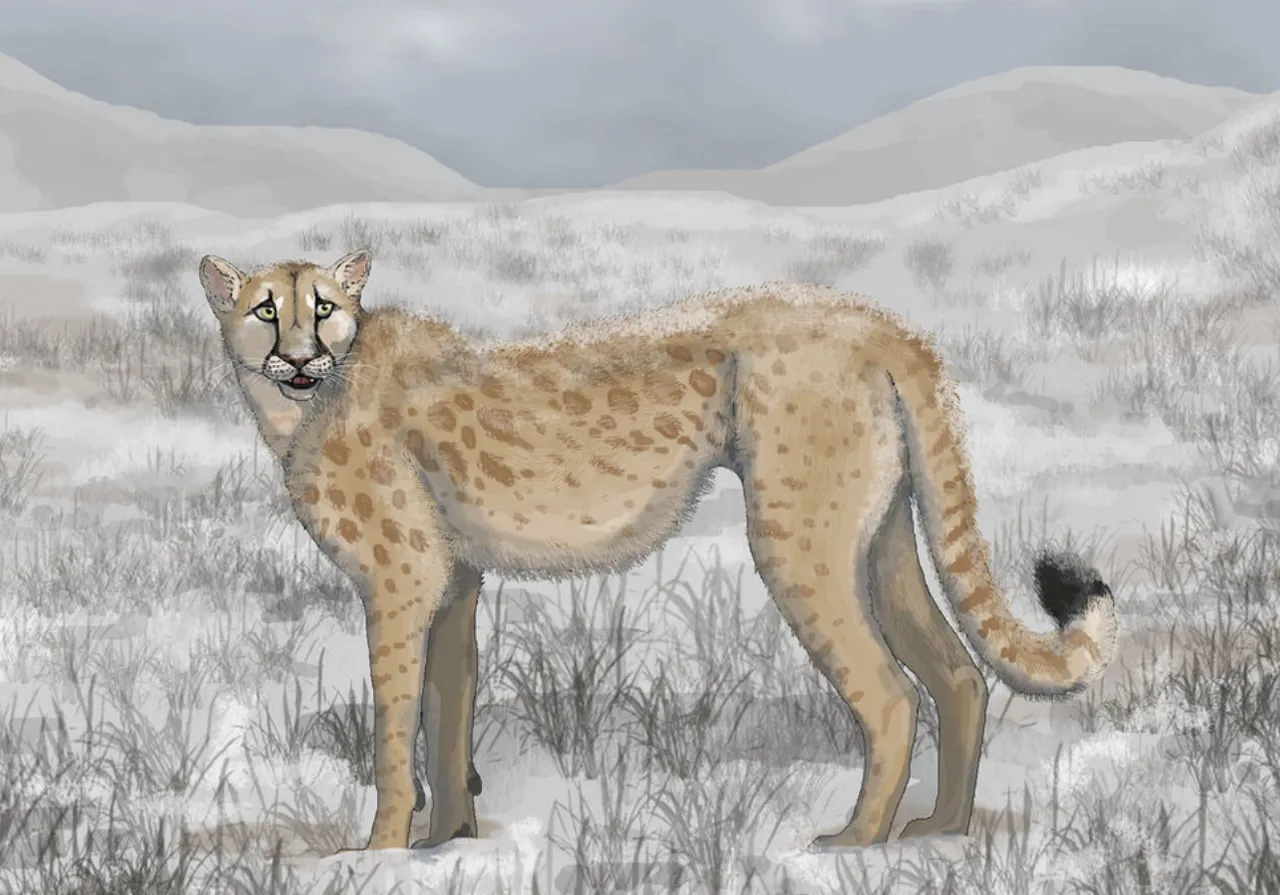
Genetic research published in the journal Current Biology confirms that the American cheetah, Miracinonyx trumani, was not a true cheetah but rather a species more closely related to pumas, according to reports from Gizmodo and Iflscience. This finding, based on mitochondrial DNA analysis from a 2005 fossil, suggests that the American cheetah's evolutionary lineage is distinct from that of the African and Asian cheetahs, which diverged from pumas around 2.6 million years ago.
The nickname 'American cheetah' was given to this extinct big cat due to its physical traits resembling those of modern cheetahs, including features suited for high-speed pursuit. However, the genetic evidence indicates that this cat was far less cheetah-like and had a more flexible diet, as suggested by the fossil remains found alongside fish bones, according to Iflscience.
These findings, published in Current Biology, add to a growing body of evidence that challenges the traditional classification of the American cheetah. The results, as noted by King and his colleagues, ask us to look more closely for evidence of links connecting the Mississippian world to the Hohokam and Ancestral Pueblo of the Southwest, highlighting the interconnectedness of ancient American cultures and their shared fauna.
The American cheetah, which lived during the Pleistocene, was first named and described in 1979 based on fossil evidence that pointed to its strong convergent morphology with modern cheetahs. However, genetic tests revealed that its DNA was more closely aligned with that of pumas, suggesting that the American cheetah had no modern analog and its diet was more varied than previously thought.
What's confirmed
- Genetic research published in the journal Current Biology confirms that the American cheetah, Miracinonyx trumani, was not a true cheetah but rather a species more closely related to pumas, according to reports from Gizmodo and Iflscience. This finding, based on mitochondrial DNA analysis from a 2005 fossil, suggests that the American cheetah's evolutionary lineage is distinct from that of the African and Asian cheetahs, which diverged from pumas around 2.6 million years ago.
- The nickname 'American cheetah' was given to this extinct big cat due to its physical traits resembling those of modern cheetahs, including features suited for high-speed pursuit. However, the genetic evidence indicates that this cat was far less cheetah-like and had a more flexible diet, as suggested by the fossil remains found alongside fish bones, according to Iflscience.
- These findings, published in Current Biology, add to a growing body of evidence that challenges the traditional classification of the American cheetah. The results, as noted by King and his colleagues, ask us to look more closely for evidence of links connecting the Mississippian world to the Hohokam and Ancestral Pueblo of the Southwest, highlighting the interconnectedness of ancient American cultures and their shared fauna.
- The American cheetah, which lived during the Pleistocene, was first named and described in 1979 based on fossil evidence that pointed to its strong convergent morphology with modern cheetahs. However, genetic tests revealed that its DNA was more closely aligned with that of pumas, suggesting that the American cheetah had no modern analog and its diet was more varied than previously thought.
What's still developing
- “Pumas are a new world lineage; they are found in the Americas. Cheetahs are old world, so in Asia and Africa, and so there would have had to have been a migration event if they were most closely related to cheetahs,” she explained.
- The findings published today confirm that this cat was not only far less cheetah-like than scientists once believed but also likely has no modern analog.
- “Reconstructing their diet was really surprising, and I think really shows that these cats—like other living cats or other living species today—are incredibly flexible,” Cassatt-Johnstone said.
- Originally identified as coming from a puma, genetic tests on the bones revealed something unexpected: they actually belonged to the American cheetah.
- If the cheetahs had evolved in lockstep with the pronghorns, this then raised the question of what they were eating in Alaska.